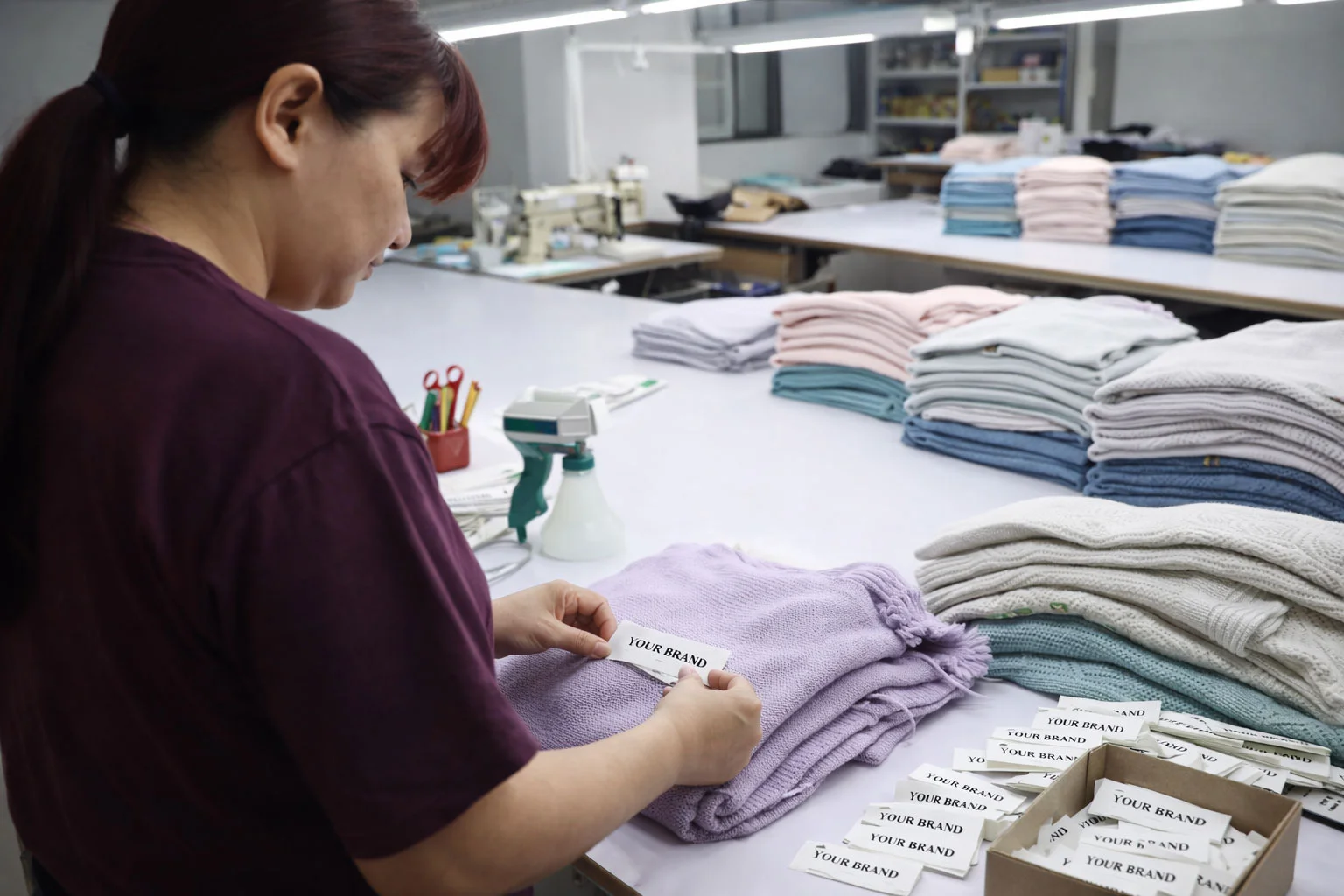
Private label knitwear sounds simple: choose a sweater, add your label, and sell it under your brand. In real factory work, it is more layered. The product has to be designed or adapted, yarn has to be selected, sizing has to match your market, labels must be correct, and the first bulk order has to be small enough that your brand can learn without carrying too much inventory risk.
This beginner guide explains the full path from idea to first private label knitwear order. It is written from our factory perspective at Lin Sweater Factory in Dalang, Dongguan, where we produce OEM and private label sweaters from 300 pcs per style and colour. If you already know the basics and want a more commercial page, see our Amazon private label knitwear manufacturer hub or our guide to private label knitwear in China with low MOQ.
What private label knitwear means
Private label knitwear means a factory produces knitwear that is sold under your brand name. The factory may develop the garment from your tech pack, copy the structure of a reference sample, adjust an existing base style, or help you design a new product from photos and measurements.
For many first-time buyers, private label does not need to mean fully original design. It can mean choosing a commercially proven product direction, adjusting the yarn, colour, measurements and branding, then producing a small run under your label. This is common for startup brands, Shopify stores, boutiques and Amazon sellers who need a controlled first test rather than a complicated collection.
| Model | What it means | Best for |
|---|---|---|
| Label-only private label | Use a proven sweater shape, adjust colour and add neck label, care label and packing. | Fast e-commerce testing and boutique capsules. |
| Modified OEM | Start from a reference, then change fit, neckline, sleeve, gauge, yarn and trims. | Most first serious private label knitwear projects. |
| Full custom OEM | Develop from tech pack, measurements, artwork and exact construction instructions. | Brands with a clear design system or repeat production plan. |
Choose one strong first style
The easiest mistake is starting with a full collection. Knitwear is expensive to sample because every style requires yarn choice, machine programming, linking, washing and measurement checking. For a first order, one strong style in one or two colours usually teaches more than five weak styles with no depth.
For women's brands, a crew neck, V-neck, cardigan or cotton knit top is usually safer than a complicated jacquard design. For men's brands, a crew neck, cardigan or knit polo sweater can work well because the shape is familiar and easy for customers to understand. For kids, start with a cardigan or crew neck before adding decorative motifs or complex family-matching sets.
Lowest risk
Crew neck, V-neck, lightweight cardigan, cotton knit top. Easy to fit and easy to merchandise.
Medium risk
Men's cardigan, knit polo, turtleneck, oversized sweater. More construction details but still commercially clear.
Higher risk
Jacquard artwork, chunky dresses, complex intarsia, kids motif sweaters. Stronger identity, more sampling risk.
If your brand is still choosing product direction, compare the existing category pages for women's knitwear, men's knitwear and kids knitwear. Those pages show what our factory already produces and which categories are most practical for low MOQ testing.
Choose yarn and gauge before branding
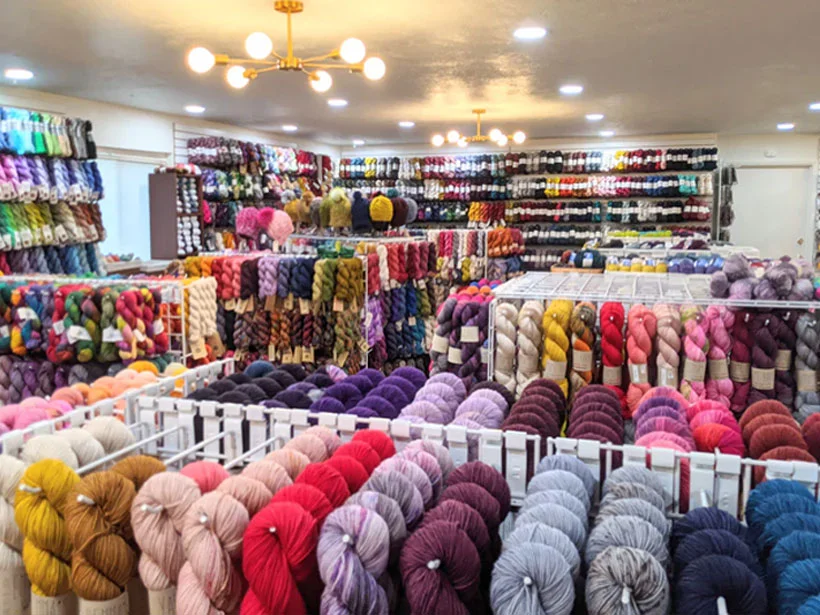
Many beginners spend too much time on the label and too little time on yarn. The label helps the brand look complete, but yarn decides how the garment feels, how much it costs, how warm it is, how it photographs, and whether customers return it after wearing.
For spring and summer knitwear, cotton, cotton-viscose and lightweight blends are common. For autumn and winter, acrylic blends, wool blends, merino and cashmere become more relevant. If your retail price is still uncertain, tell the factory your target market and target selling price first. A responsible factory should recommend yarn based on margin and customer expectation, not only on what sounds premium.
Gauge also matters. A 12G knit is finer and cleaner; a 5G knit feels chunkier and warmer; a 3G knit is heavy and statement-driven. Our sweater gauge guide explains the difference, and our cotton vs merino vs cashmere guide helps compare material positioning.
Prepare labels and packaging early
Private label work includes more than a neck label. At minimum, a factory needs to know your neck label, size label, care label, fibre content, country-of-origin wording, hang tag, barcode sticker and packing standard. These details should be prepared before bulk production, not after the sweaters are already finished.
- Neck label: woven, printed or heat-transfer label; confirm size and placement.
- Care label: fibre content, wash symbols, origin and importer details where required.
- Size label: US, EU, UK, alpha sizing or brand-specific sizing.
- Hang tag: artwork, string, barcode, retail price if needed.
- Packing: fold method, polybag, size sticker, carton mark and quantity per carton.
If your label files are late, the factory can finish sweaters but cannot pack correctly. This is one of the quiet delays that first-time buyers often miss. For more detail, read our checklist on what to confirm before paying the knitwear deposit.
Understand MOQ and cost honestly
Low MOQ is useful, but it does not remove setup cost. At 300 pcs, machine programming, yarn preparation, sample correction, linking setup and label work are divided across fewer garments. That is why the unit price at 300 pcs is normally higher than at 300 pcs.
Our factory MOQ is 300 pcs per style per colour. This is practical for first private label runs, but it works best when the buyer keeps the first order focused: one style, one or two colours, a simple size split, and a yarn that is available in small quantity. The more colours and custom-dyed yarns you add, the more MOQ pressure appears.
| Order plan | What it teaches | Factory comment |
|---|---|---|
| 300 pcs / 1 colour | Fit, photos, buyer reaction, first reviews. | Best first test for a new brand. |
| 300 pcs / 2 colours | Colour preference and early reorder signal. | Good once the base style is clear. |
| 300 pcs+ | Real scale economics and lower unit cost. | Better after sample and sales proof. |
For cost planning, use our sweater manufacturing cost guide, then compare quotes with our article on how to compare two knitwear factory quotes. The cheapest quote is not always the lowest risk.
Sampling is where your standard is built
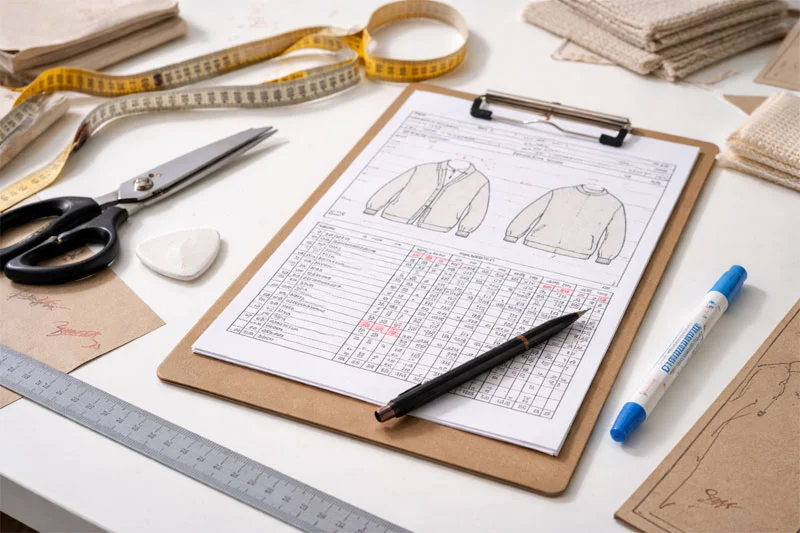
A private label sweater sample is not just a preview. It is the standard for bulk production. The sample should confirm yarn, colour, measurements, shape, rib tension, neckline, trims, label placement and washing result. If any of those are unclear, the bulk order will carry the same uncertainty.
At Lin Sweater Factory, a normal sample takes 7–10 working days after yarn and details are confirmed. Complex jacquard, intarsia, custom-dyed yarn or difficult fit corrections may take longer. The goal is not to rush the first sample; the goal is to make a sample that can actually become the production standard.
Before starting, read what buyers should send before knitwear sampling starts. If you have had too many revisions before, our guide on how to reduce knitwear sampling revisions will save time.
Place the first bulk order carefully
Once the sample is approved, the first bulk order should be written clearly: style, yarn, colour, size ratio, label requirements, packing, price, lead time, deposit and shipping terms. Do not rely on scattered messages across many chats. A written order confirmation protects both sides.
Bulk production at our factory usually takes 18–25 days after approval and yarn readiness. This includes knitting, linking, washing, drying, finishing, label sewing, QC, folding and packing. If the order needs custom labels, barcodes or special packing, those files should be ready before production starts.
First order route we recommend
One product direction → one yarn direction → one or two colours → 300 pcs → clear sample approval → written bulk confirmation → mid-production photo check → pre-shipment QC photos → shipment.
For the operational steps, use our guide on how to place your first knitwear bulk order. For quality, read how buyers can test knitwear quality before bulk production.
Choose a factory that fits your stage
A large factory may be good for big retailers, but may not want a focused 300 pcs first order. A trading company may communicate quickly, but may not control knitting, linking and QC directly. A small workshop may be flexible, but may lack export and documentation support.
For a beginner private label brand, the best factory is usually not the biggest. It is the factory that can explain tradeoffs clearly, accept a realistic MOQ, show real production evidence, guide yarn choices, and tell you when your idea needs adjustment. Our factory page shows our real workshop, and our article on trading company vs real knitwear factory explains what to check.
If you want to understand where we fit in the market, read our honest comparison of China sweater manufacturer archetypes. We are a Dalang mid-size OEM factory: useful for low MOQ private label orders, not the cheapest option for very large commodity runs.
Beginner checklist before contacting a factory
- One main product direction selected.
- Reference photos or sample garment prepared.
- Target customer and retail price range defined.
- Preferred yarn or material tier selected.
- Approximate quantity and colour plan prepared.
- Size range and target market confirmed.
- Brand label and care label needs listed.
- Target launch date and shipping country known.
You do not need to have every technical detail finished before contacting us. But the clearer your brief, the faster we can quote and sample. A private label knitwear project works best when the buyer and factory define the product together before money is spent.
Starting your first private label knitwear order?
Send us your reference photo, target quantity, yarn idea and market. Our factory will advise the simplest low MOQ route and reply within 24 hours.