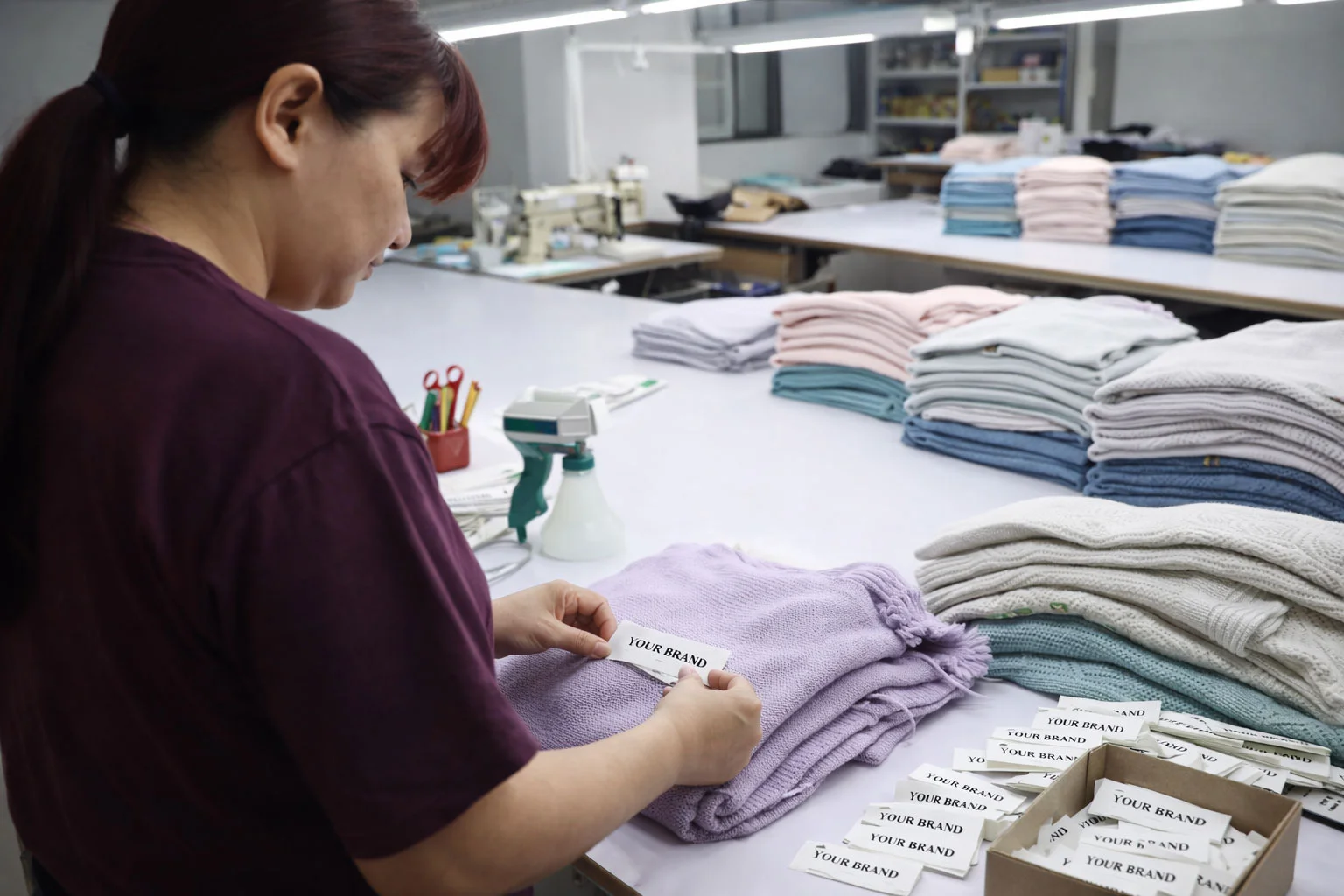
If you search for a private label knitwear manufacturer in China, many suppliers will look similar at first: custom sweaters, OEM/ODM, low MOQ, fast sample, factory direct. The difficult part is not finding a supplier who says these words. The difficult part is finding a real factory that can produce your first private label knitwear order at a quantity that makes sense for your brand.
This article explains how private label knitwear works from inside a factory: what "private label" actually includes, why low MOQ matters, what a 300 pcs order can and cannot cover, which details you need to prepare before sampling, and how to avoid common mistakes before you pay for your first bulk order.
We write from our own production experience at Lin Sweater Factory, an OEM knitwear factory in Dalang, Dongguan. We accept private label knitwear orders from 300 pcs per style and colour, with samples usually completed in 7–10 working days and bulk production in about 18–25 days after approval.
What private label knitwear really means
Private label knitwear means the garment is produced by a factory, but sold under your brand name. In practice, buyers use the phrase in two different ways.
The first is a simple branding project: the factory already has a base sweater style, and the buyer wants to adjust colour, size labels, care labels, hang tags and packaging. This is faster because the shape and construction are already proven. It is useful for e-commerce sellers or small brands that need speed more than unique pattern development.
The second is a full custom OEM project: the buyer has a reference image, tech pack, yarn direction, fit target or sample garment, and the factory develops a new knitwear style for that brand. This takes more work, but it gives you a more distinctive product. Many of our private label orders sit between these two models: the buyer starts from a reference, we adjust the neckline, body length, sleeve shape, gauge and yarn until it becomes their own style.
| Private label element | What it includes | What buyers should prepare |
|---|---|---|
| Brand label | Woven neck label, printed label or heat-transfer label attached during finishing. | Logo file, label size, label material and placement. |
| Care label | Fibre content, wash symbols, country of origin and importer details if required. | Target market and fibre content requirements. |
| Hang tag | Brand tag, barcode sticker, price tag or product story tag. | Artwork, size, paper weight and string type. |
| Packing | Fold method, polybag, size sticker, carton mark and quantity per carton. | Retail or e-commerce packing requirements. |
If this is your first order, do not overcomplicate branding. A clean woven neck label, accurate care label and consistent folding standard matter more than a luxury hang tag. Your customer will judge the garment first.
Why low MOQ matters for private label brands
Low MOQ is important because private label buyers are often testing a new product, not repeating a proven bestseller. If a supplier requires 300 or 500 pcs per style, the buyer has to take large inventory risk before they know whether the style will sell.
A 300 pcs MOQ changes the business model. It allows a startup brand to test one style in one colour, or an existing brand to test knitwear before adding it to the main collection. It is not always the cheapest way to buy per piece, but it is often the safest way to learn.
At our factory, 300 pcs MOQ is practical because we are based in Dalang, a knitwear cluster with yarn suppliers, linking workers, label suppliers, finishing teams and packing support nearby. For more background on the cluster advantage, read our guide to Dalang as China's knitwear capital.
For startup brands
300 pcs lets you validate fit, colour and customer response before investing in a larger season.
For e-commerce sellers
Small runs help test product pages, ad creatives and reviews before you reorder at 100-300 pcs.
For established brands
Low MOQ is useful when adding a new category, trying a new yarn or testing a seasonal colour.
There is still a tradeoff. A 300 pcs order has higher unit cost than a 300 pcs order because pattern programming, sampling, yarn sourcing and finishing setup are spread over fewer garments. Our small MOQ knitwear guide explains this in more detail. The important point is honesty: a good factory should not pretend 300 pcs costs the same as 500 pcs.
What a factory needs before quoting
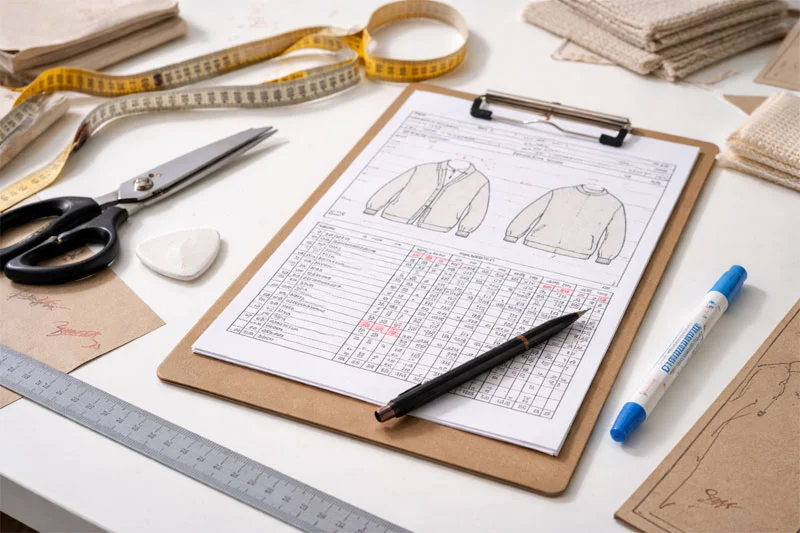
Many first-time buyers ask, "Can you quote this sweater?" and send one image. A photo is helpful, but it is not enough for an accurate quote. Knitwear cost depends on yarn, gauge, stitch structure, weight, size range, finishing and label requirements.
For the first quotation, we usually ask for:
- Reference image or sample. Front, back and detail photos are better than one model shot. If you have a physical sample, measurements are more accurate.
- Target yarn. Acrylic, cotton, merino, cashmere, wool blend or "please recommend based on target price." Our acrylic vs wool guide helps if you are not sure.
- Gauge direction. 3G, 5G, 7G, 12G or 14G. If you do not know, send the look you want and we advise. See our sweater gauge guide for the basics.
- Quantity and colour plan. For example: 300 pcs in one colour, or 300 pcs across two colours.
- Size range. S-XL, XS-XXL, women's one size, kids size run, or custom measurements.
- Branding needs. Neck label, care label, hang tag, barcode sticker, polybag or special folding.
- Target market. US, EU, UK, Japan or other markets may affect care label and fibre content wording.
A complete tech pack is useful, but it is not required for every small buyer. If you do not have one, we can still start from reference photos and measurement notes. However, unclear briefs usually create extra sampling rounds. If your project is more complex, our article on why sweater sampling delays happen is worth reading before you begin.
How the private label sampling process works
Sampling is where most private label projects become real. A buyer may imagine one fabric hand, one neckline depth and one body length; the first sample shows whether the idea works as a physical garment.
Our usual process is simple:
- Brief review. We check the reference, yarn direction, quantity, label needs and target timeline.
- Quotation. We quote sample cost and estimated bulk unit price at your target quantity.
- Yarn and gauge confirmation. We confirm available yarns and recommend gauge based on your style.
- First sample. Usually 7–10 working days for standard yarns and normal construction.
- Revision if needed. Common changes include body length, sleeve width, neckline shape and tension.
- Label and packing confirmation. We confirm label artwork and placement before bulk production.
- Bulk production. Usually 18–25 days after sample approval, depending on yarn and order size.
For simple private label styles, one sample round may be enough. For new silhouettes, jacquard artwork or unusual yarn, two rounds are normal. If a factory promises every sample will be perfect in one round, be careful. Knitwear is flexible, and small changes in tension, yarn and washing can change the finished garment.
Which private label styles are best for low MOQ
Not every knitwear style is equally suitable for a first 300 pcs private label order. The best low MOQ styles are those with moderate construction risk, standard yarn availability and clear sizing.
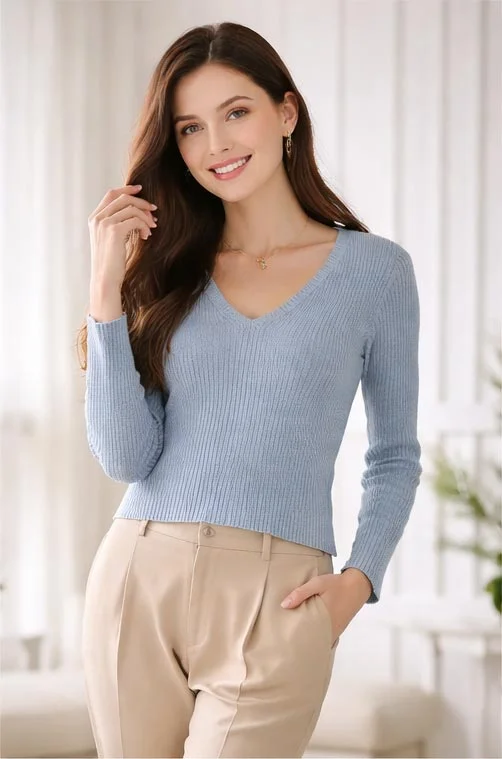
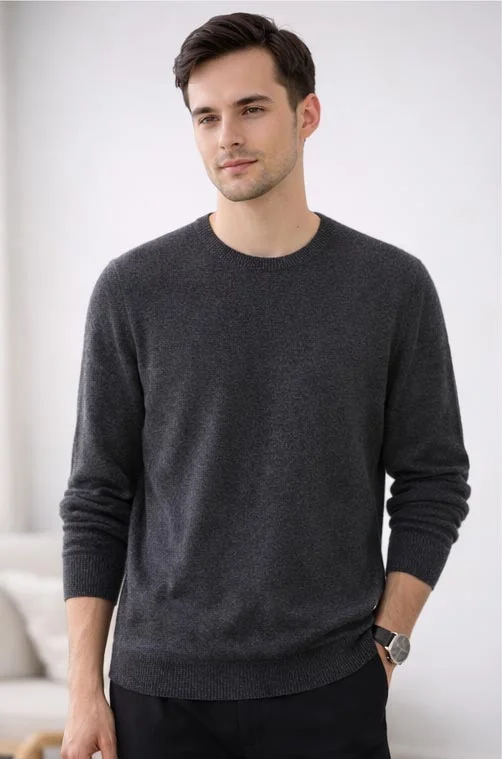
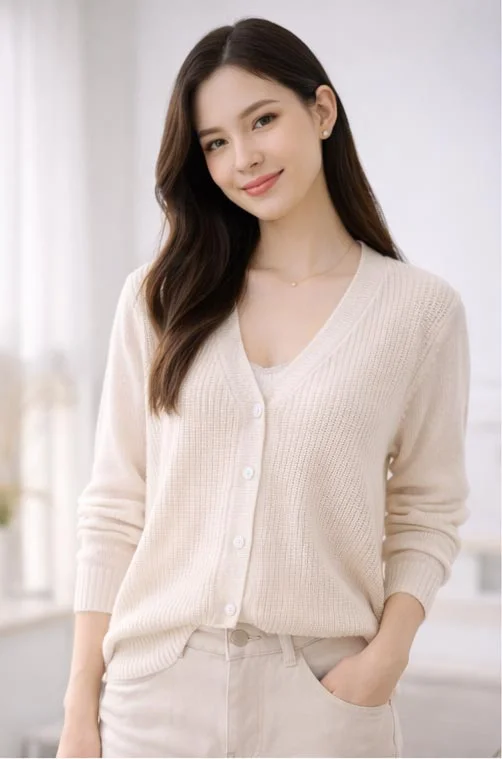
Good first-order choices include crew neck sweaters, V-neck sweaters, simple cardigans, ribbed tops, basic turtlenecks and clean half-sleeve knit tops. These styles still need good fit and finishing, but they do not carry the same development risk as complex jacquard artwork or unusual intarsia shapes.
That does not mean complex styles are impossible. We produce jacquard knitwear, intarsia knitwear and embroidered knitwear, but these are better when the buyer accepts more sampling time and a more detailed artwork confirmation process. Our jacquard vs intarsia vs embroidery guide explains the cost and production differences.
Quality control for private label orders
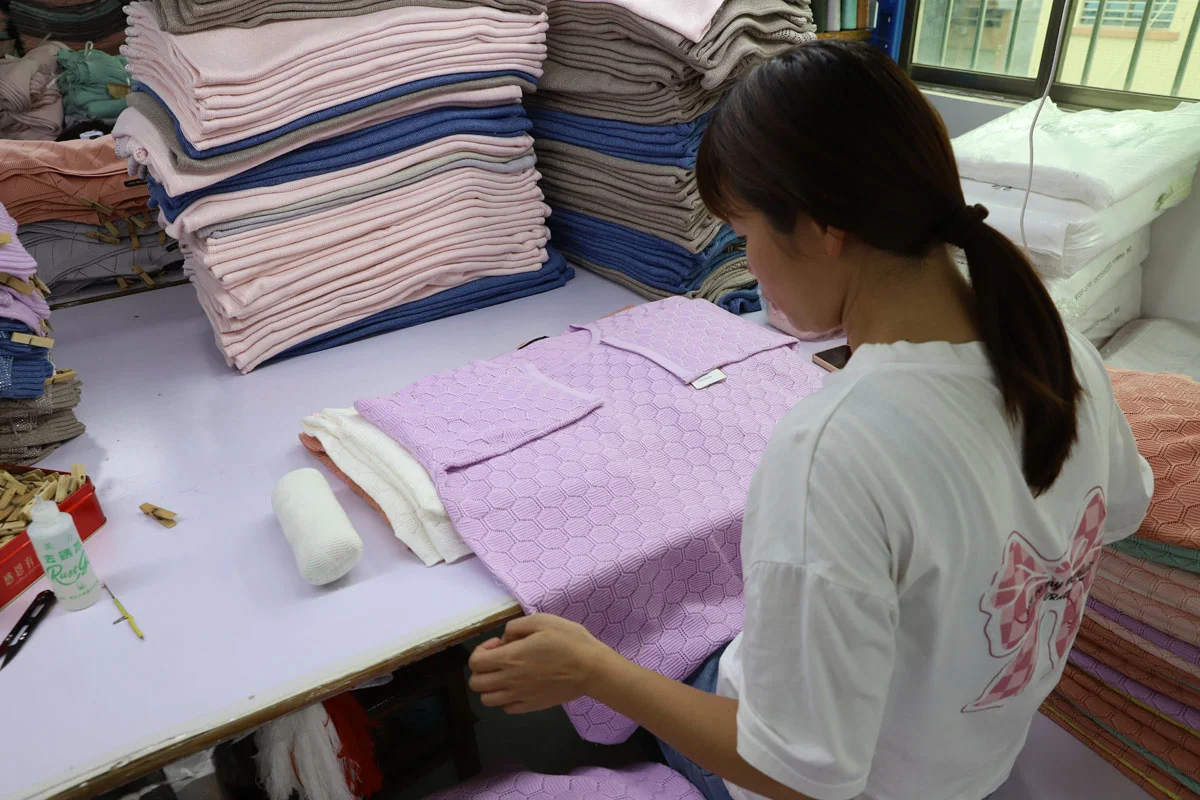
Quality control for private label knitwear is not only checking whether the sweater has holes. For brand buyers, the small details are what make the product feel consistent and ready to sell.
Our QC checks include:
- Measurement against approved sample. Body length, chest, shoulder, sleeve length, cuff and hem width.
- Yarn and colour consistency. We check dye lot differences and yarn hand before production continues too far.
- Linking quality. Shoulder, side seam, sleeve joint and neckline joins must sit cleanly without pulling.
- Label placement. Neck label, care label and size label must be straight, secure and in the agreed position.
- Final finishing. Steaming, shape recovery, loose thread trimming, folding and packing.
If you want to understand why knitwear orders fail, read our article on why knitwear orders go wrong and how to prevent it. Most problems are not mysterious. They come from unclear briefs, rushed sample approval, colour assumptions or missing QC standards.
What affects private label knitwear cost
Private label cost is not only the garment price. The full cost usually includes sample cost, yarn, knitting, linking, washing or steaming, labels, hang tags, packing and export paperwork if needed.
| Cost driver | Low-cost direction | Higher-cost direction |
|---|---|---|
| Yarn | Acrylic, cotton blend, standard wool-acrylic blend | Merino, cashmere, special spun yarn, custom dye colour |
| Gauge | Medium gauge with simple stitch | Fine gauge with long knitting time or heavy chunky gauge |
| Pattern | Solid colour, basic rib, simple stripe | Jacquard, intarsia, embroidery, complicated shaping |
| Branding | Neck label and care label | Custom hang tag, barcode, premium packaging, special carton mark |
| Quantity | 100-300 pcs spreads setup cost better | 300 pcs has higher unit cost because setup is shared by fewer garments |
For a deeper breakdown of yarn, knitting, linking and finishing cost, see our sweater manufacturing cost guide. If you are choosing between yarns, our merino vs regular wool guide and cashmere grades guide can help you avoid paying for a fibre your market does not need.
Red flags when choosing a private label knitwear factory
Private label attracts many trading companies because buyers are often new and do not know what to verify. A trading company is not always bad, but if you want direct factory control, ask direct questions before you pay.
- No real factory photos or videos. Stock images and showroom photos are not enough. Ask to see production floor, linking, QC and packing.
- MOQ changes after your design is reviewed. If 300 pcs becomes 200 pcs only after you show the style, ask why. Sometimes yarn minimums are real, but the supplier should explain clearly.
- Price is much lower than every other quote. In knitwear, extremely low prices usually hide cheaper yarn, lower weight, weaker finishing or missing label/packing costs.
- No questions about gauge or yarn. A serious factory cannot quote knitwear accurately without discussing yarn, gauge and garment weight.
- No sample revision process. If the supplier treats sampling like a formality, the bulk order risk is higher.
Our factory vetting checklist gives a more complete list of questions to ask before choosing a supplier.
Why small brands work with Lin Sweater Factory
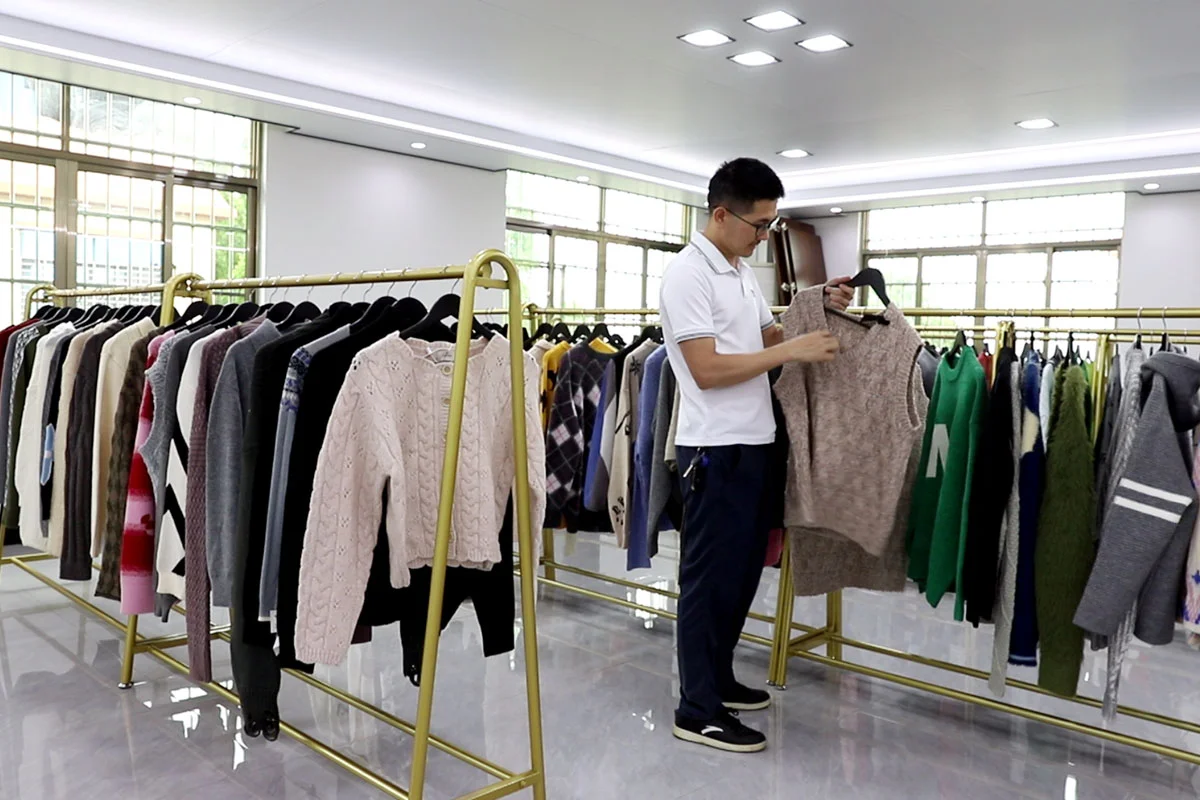
We are a small to medium knitwear factory, not a giant supplier. That is exactly why low MOQ private label work fits us. We do not need every buyer to place 10,000 pcs. We prefer buyers who start honestly, approve samples carefully, reorder when the style sells, and build a repeat relationship with us.
Our practical advantages are:
- MOQ from 300 pcs per style and colour. Suitable for startup brands, e-commerce sellers and test orders.
- 26 years of knitwear manufacturing experience. We have worked in knitwear since 1996, with factory production established in Dalang.
- Dalang supply chain access. Yarn, pattern, linking, labels and finishing support are close to our factory.
- OEM and ODM flexibility. We can work from your design, a reference image, a sample garment or our existing product direction.
- Real factory evidence. You can review our factory photos and videos before placing an order.
We are not the right factory for every project. If you need ultra-low-price mass production with no private label service, a larger high-volume supplier may be cheaper. If you need a 10 pcs handmade luxury capsule, a studio workshop may fit better. But if you need a real OEM knitwear manufacturer in China that accepts low MOQ private label orders and communicates clearly before production, we are a good fit to consider.
Planning a private label knitwear order?
Send your reference images, target quantity, yarn direction and label needs. We reply within 24 hours with practical advice and a quote path.