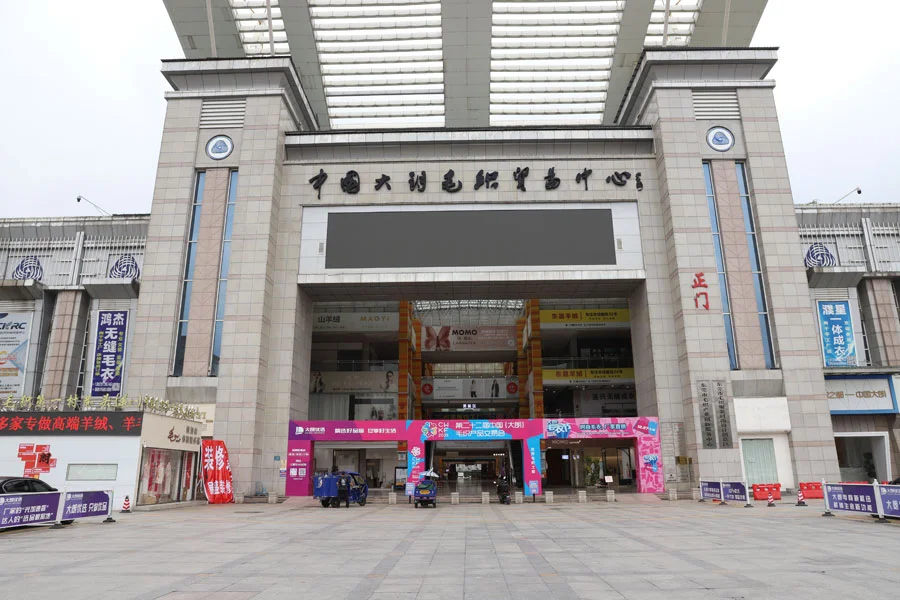
If you search "top 10 China sweater manufacturers" on Google, almost every result is a self-promoting listicle written by one of those factories with itself ranked at #1. The methodology is invisible, the comparison is fake, and the article exists for SEO not for buyers. We're a Chinese sweater factory, but this article is the opposite. Instead of naming 10 specific companies and pretending one of them is best, we describe the 10 distinct archetypes of Chinese knitwear manufacturer in 2026 — each one a recognisable pattern of region, scale, specialty, and buyer fit. We honestly position our own factory inside one archetype, name the trade-offs of every type, and flag the three you should walk away from. The result is a guide a buyer can actually use to choose a supplier.
This piece sits alongside our geographic comparison of Dalang Dongguan factory archetypes and our Amazon-FBA-specific archetype guide. Together the three articles cover almost every situation a brand or e-commerce seller will face when sourcing knitwear from China.
Methodology — what "archetype" means
An archetype is a real, recurring pattern in the Chinese knitwear industry. Each archetype below describes a kind of factory you will physically encounter on a sourcing trip — anchored in a real geographic cluster, with a typical scale, a typical MOQ, a typical specialty, and a typical buyer it fits. We do not name specific companies because (1) any list including ten named factories is structurally unfair to the eleventh, (2) a factory's circumstances change year-on-year, and (3) the buyer's actual decision should be driven by archetype-fit, not brand recognition. Every archetype below contains many real factories. Three of the archetypes are not factories at all — they're the disguises a non-factory wears, and you'll meet all three on Alibaba within a week of starting to source.
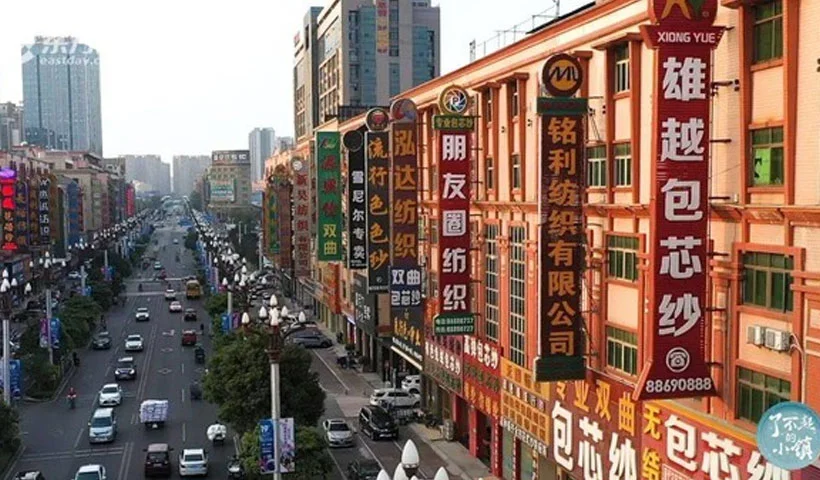
The geography of Chinese knitwear is concentrated. Roughly 70% of export-grade sweater production happens in three clusters: Dalang (Dongguan, Guangdong) for mid-to-high-end OEM at scale, Tongxiang (Zhejiang) for cashmere and wool, and Qingdao (Shandong) for industrial-scale hosiery and basics. The remaining 30% spreads across smaller hubs in Yiwu, Shanghai, Shenzhen, and Wuhan. Knowing which cluster a factory sits in tells you 60% of what you need before the first call.
The seven legitimate factory archetypes
The Dalang Mid-Size OEM (Guangdong)
The most common knitwear factory archetype an English-speaking brand buyer will deal with in 2026. Sample turnaround 7–10 days, bulk lead time 18–25 days, fluent English in the merchant team, full pattern-and-grading capability in-house. This is the archetype Lin Sweater Factory belongs to — and the one that produces the bulk of branded private-label knitwear sold in the US, EU, UK, and Australia. Honest weakness: not the absolute lowest unit price (Yiwu wins on cost), and our compliance certifications are typically partial rather than the full BSCI/SEDEX/Sedex stack a Walmart-tier supplier would carry.
Honest weakness — we don't compete on raw price against Yiwu factories, and our scale isn't enterprise-tier.
The Tongxiang Cashmere Mill (Zhejiang)
Tongxiang is the spiritual capital of Chinese cashmere — many of the mills are vertically integrated from yarn dyeing to finished garment, owning their own yarn sourcing relationships in Inner Mongolia. If your entire collection is cashmere or you're buying yarn-direct, this is your archetype. The trade-off: Tongxiang factories typically don't do small MOQs gracefully and rarely accept blended-fibre orders below the cashmere line. Their whole business model is yarn premium, not fashion flexibility.
Honest weakness — high MOQs, narrow yarn range, less interest in non-luxury collections.
The Yiwu Bulk Wholesaler (Zhejiang)
Yiwu is the world's wholesale market — and its knitwear factories follow the same logic: highest possible volume at the lowest possible unit cost. Acrylic dominates because it's cheap and dyes consistently. Quality control is a buyer responsibility, not a factory promise. If your channel is pound-shop retail or a developing-market reseller, the price wins; if your channel is Amazon US private label, expect review issues that erase the price saving within a quarter.
Honest weakness — quality variance, weak compliance paperwork, English support thin.
The Shanghai Premium Studio
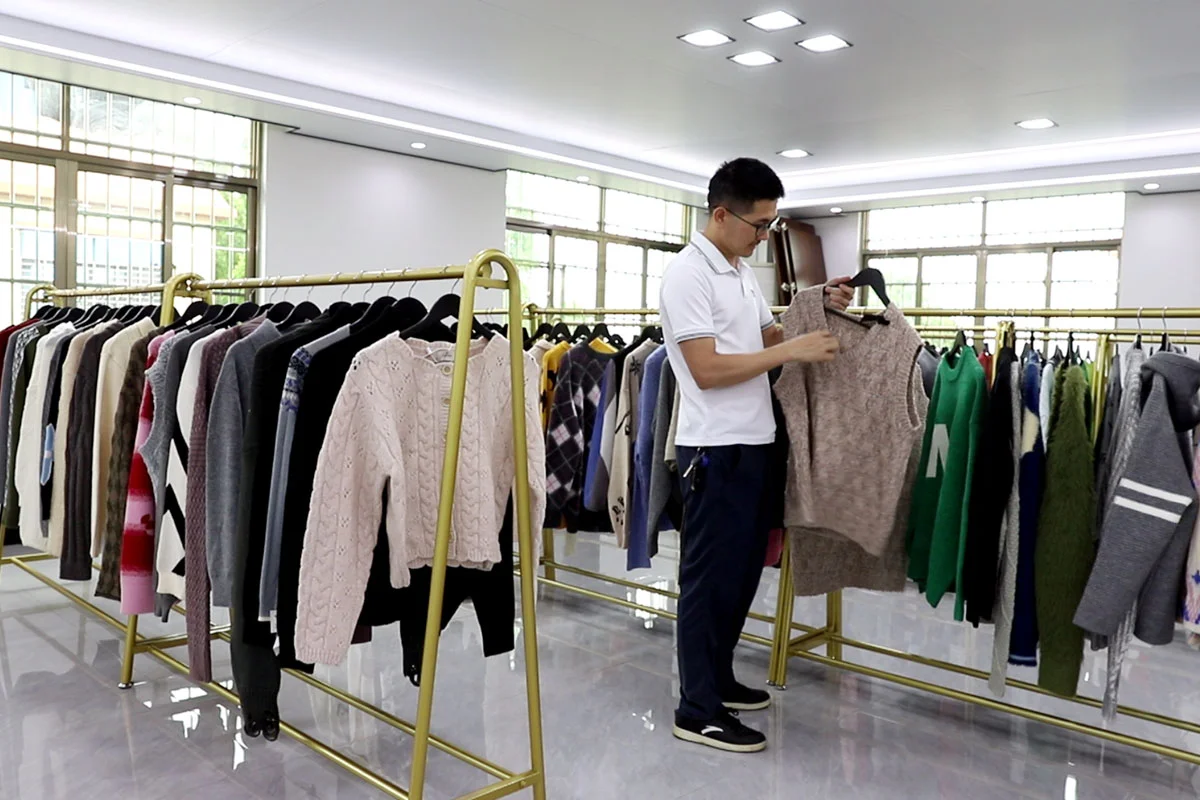
Shanghai's small premium studios serve high-end Chinese domestic fashion brands and increasingly export to Europe and Japan. Pricing is roughly double the Dalang mid-size OEM, lead times are slower (35–50 days), and the design-development capability genuinely rivals Italian sample rooms. If your brand sells at $200+ retail and your buyer cares about provenance language ("manufactured in Shanghai"), this is the right archetype. For everyone else, Dalang at half the price hits the same quality target.
Honest weakness — premium pricing locks out anyone outside the $150+ retail tier; lead times stretch.
The Qingdao Industrial Producer (Shandong)
The factories that supply mass-market US and EU retailers (Walmart, Target, Carrefour) at five-figure-piece volumes. Capability is exceptional, scale is enormous, and compliance is bulletproof — but no boutique brand will get a serious quote here because the minimums alone exceed most brands' annual demand. If you have a department-store contract for 50,000 units of a single style, this is your archetype. If not, none of these factories will return your email.
Honest weakness — minimums lock out everyone except enterprise buyers; product range is narrow basics.
The Shenzhen Digital-First OEM (Guangdong)
A newer archetype, mostly post-2018: factories run by younger operators, fluent in Slack/email/video calls, comfortable with digital tech packs and cloud-based PLM systems. Pricing similar to Dalang mid-size OEM but workflow notably faster on the communication side. The trade-off is they're newer, so the depth of pattern-grading experience is sometimes thinner than Dalang's 25-year operators. Lin Sweater is gradually digitising the Dalang archetype to capture some of this profile.
Honest weakness — pattern depth thinner than long-established Dalang factories, less yarn-sourcing leverage.
The Wuhan Emerging Hub (Hubei)
Inland China's growing knitwear hub. Wuhan factories sit between Yiwu pricing and Dalang quality, with neither extreme. Useful when your business model needs a 15–25% cost discount versus coastal factories and you can absorb slightly slower communication and longer logistics (Wuhan is inland — sea freight via Shanghai adds 3–5 days). Compliance is patchy, so verify per supplier rather than trusting the cluster.
Honest weakness — variable compliance, slower outbound logistics, smaller English-speaking merchant pool.
The three red-flag archetypes — what to avoid
The three archetypes below are not factories. They look like factories on Alibaba, on supplier directory listings, and even in some sourcing-agent recommendations — but the production they sell is being subcontracted to one of the seven legitimate types above, with a markup of 15–40%. The risk to a buyer is not just margin: it's accountability. When something goes wrong, a non-factory has no production team to escalate to.
The "Trading Company" That Calls Itself a Factory
The single most common archetype on Alibaba. A small office team buys production from a real factory and resells it at 15–40% markup as their own. The website has stock photos, the salesperson speaks fluent English, and everything looks legitimate until you ask to visit. Three diagnostic tells covered in our trading-company-vs-real-factory guide: no on-site yarn room, no in-house pattern team, and a vague answer to "where exactly is your factory?".
The Hong Kong / Shenzhen Brokerage
A more sophisticated version of the trading company, branded as "sourcing partner" or "production manager." If you genuinely need a managed service and you understand you're paying a 15–25% premium for it, this archetype is fine. The problem arises when it pretends to be a factory. Always ask to see the actual production facility — a legitimate brokerage will tell you which factory is producing your order; a deceptive one will refuse.
The Alibaba "Gold Supplier" With No Real Address
The lowest-quality archetype. The Alibaba Gold Supplier badge has been gamed for years; what matters now is verifying the address yourself (Google Maps Street View frequently shows whether the listed address is a residential apartment, an office tower, or an actual factory). Three signs to walk away: cannot produce a business license under their own company name, cannot answer detailed yarn-grade questions, and offers MOQ "anywhere from 1 piece" — a real factory has economic minimums it cannot break.
Side-by-side comparison
The 10 archetypes laid out by their key buyer-relevant dimensions:
| Archetype | Region | MOQ | Lead time | Best for |
|---|---|---|---|---|
| 1. Dalang Mid-Size OEM (Lin Sweater) | Dongguan, Guangdong | 300 | 18–25 days | DTC, e-commerce, small-batch |
| 2. Tongxiang Cashmere Mill | Zhejiang | 200–1000 | 30–45 days | Cashmere-only premium |
| 3. Yiwu Bulk Wholesaler | Yiwu, Zhejiang | 500–2000 | 20–30 days | Wholesale resellers, low-cost |
| 4. Shanghai Premium Studio | Shanghai | 100–500 | 35–50 days | Designer fashion, $200+ retail |
| 5. Qingdao Industrial Producer | Shandong | 1000–5000 | 30–45 days | Walmart-tier mass retail |
| 6. Shenzhen Digital-First OEM | Shenzhen, Guangdong | 100–300 | 20–30 days | Shopify DTC, fast digital workflow |
| 7. Wuhan Emerging Hub | Hubei | 200–600 | 25–35 days | Cost-conscious mid-tier |
| 8. ⚠ Trading Company-as-Factory | Anywhere | Inherited | Inherited + 5d | Avoid |
| 9. ⚠ HK / SZ Brokerage | HK / Shenzhen | Inherited | Inherited + 5d | Managed service only |
| 10. ⚠ Alibaba Gold Supplier (no address) | Virtual | Suspicious | Unreliable | Avoid entirely |
How to choose your archetype — a 3-step framework
Step 1: Settle your MOQ band. If you're a startup or testing, you need an archetype that will accept 300 pieces — that's Archetype 1, 4, or 6. If you're committing to 1,000+ pieces per style, the entire industry opens up to you. Most archetype mismatches are MOQ mismatches: a brand approaches Qingdao at 200 pieces and gets ignored, then concludes "Chinese factories don't reply to email," when in reality the factory does reply, just to buyers in its MOQ band.
Step 2: Identify your specialty constraint. If your collection is cashmere, Tongxiang. If it's runway fashion, Shanghai. If it's mass-market basics, Qingdao. Most brands aren't in any of these specialty corners — they're brand-driven mid-tier knitwear, which is why Archetype 1 (Dalang Mid-Size OEM) handles the majority of branded private-label volume out of China.
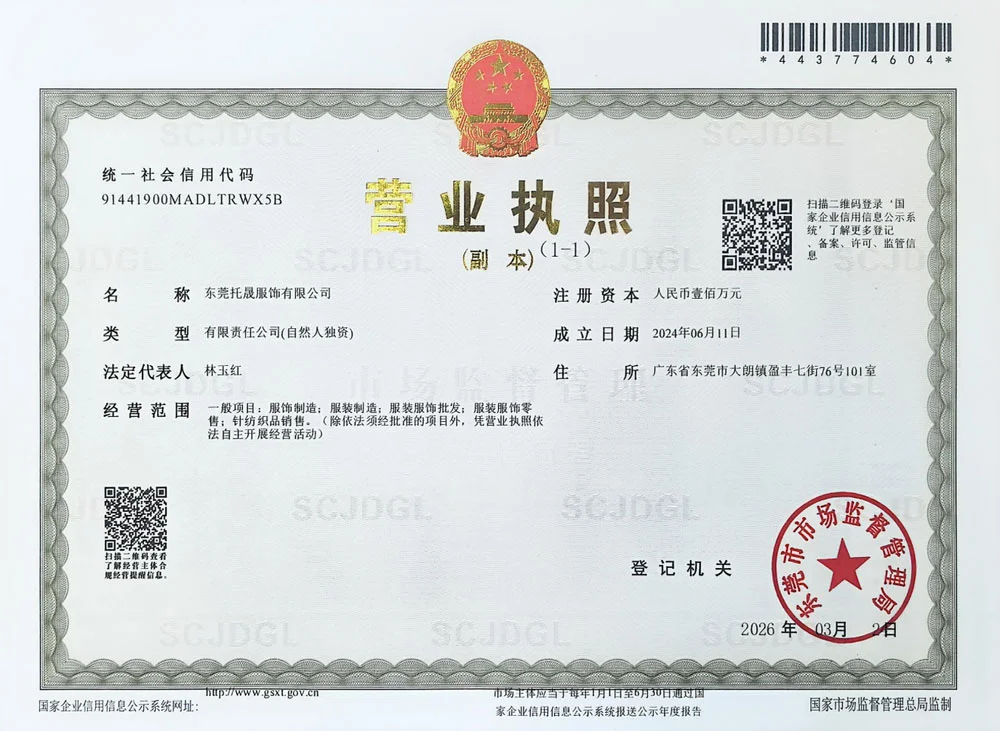
Step 3: Verify, don't trust. Whichever archetype you've identified, do the three-step verification before sending a deposit: ask for a business license under the supplier's own company name, ask to do a video call from inside the production facility (not the office), and ask for the specific street address so you can verify on Google Maps. Our vetting checklist covers the full sequence.
If you're a US/EU brand sourcing branded knitwear at 300-500 pieces per style, the right archetype is almost always Archetype 1. Lin Sweater Factory is one example of that archetype — there are many others. The point of this guide isn't to convince you Lin Sweater is the right choice. The point is to give you the framework to choose the right archetype, then do the verification work to find the specific factory inside that archetype that fits your project.
Sourcing knitwear from China this year?
If Archetype 1 (Dalang Mid-Size OEM) is your fit, send us your tech pack and target volume — we reply within 24 hours with a yarn recommendation, indicative quote, and our compliance documentation.