If you are sourcing sweaters from Dalang for the first time, the most useful thing I can tell you is this: "Dalang factory" is not a single type of supplier. Inside this 300,000-person town there are at least 8 distinct business models, each with a different MOQ sweet spot, yarn specialty, pricing structure, and ideal brand-client profile. The biggest sourcing mistake new buyers make is not choosing the wrong factory — it's choosing the wrong type of factory for their stage and order size. This article walks through all 8 types honestly, including a red-flag category you should actively avoid, and positions our own factory (Lin Sweater) where it actually fits.
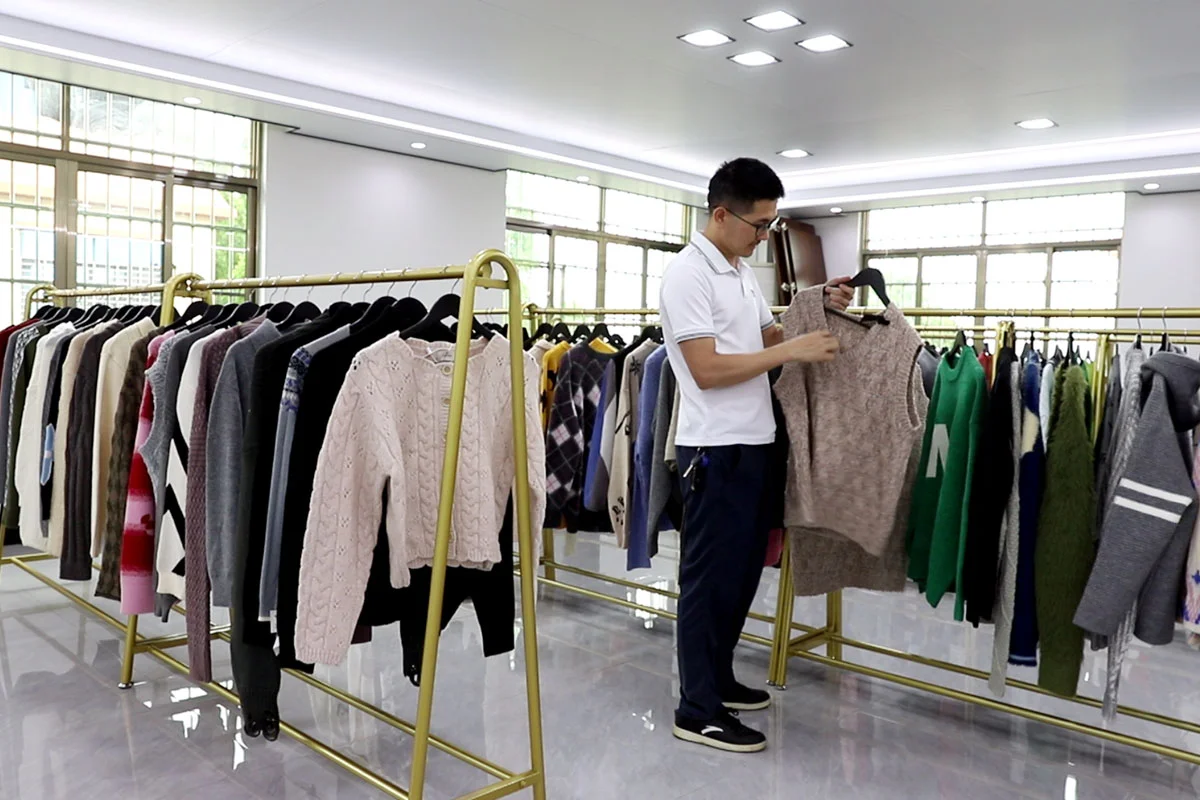
Why Dalang isn't one kind of factory — it's an ecosystem
A common misconception from first-time buyers: "Dalang factory" = one kind of supplier, and the only variable is price. The reality is that Dalang's 30-year industrialisation produced specialised niches. Some factories grew to 2,000 workers serving major retail chains. Others stayed small at 50 workers serving luxury cashmere brands. Others exist only as office-and-subcontractor outfits that appear as "factories" in Alibaba listings but own zero machines.
Your sourcing strategy depends on correctly identifying which type you are dealing with. A 500-piece Amazon FBA test at a 2,000-worker factory gets deprioritised behind the retail bulk orders. A 5,000-piece wholesale order at a boutique cashmere workshop overwhelms their capacity. A cable-knit-only chunky factory cannot produce your 14G fine-gauge spring cardigan at any quantity. Match the type to the brief before you match the price.
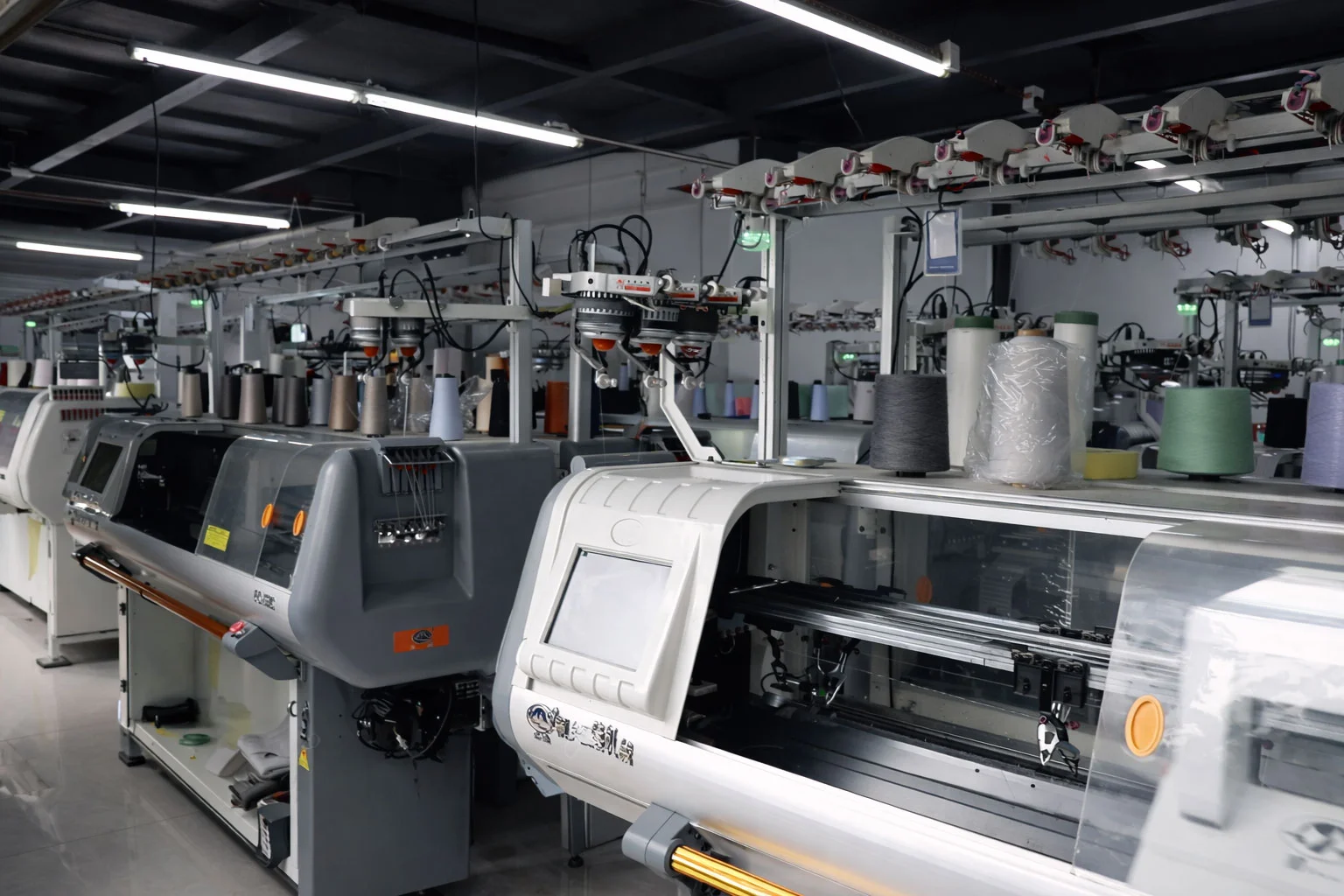
The 8 factory types you'll encounter in Dalang
Below are the 8 distinct factory archetypes based on our 26 years of operating in Dalang and talking to dozens of peer factories. Each is described with size, MOQ range, specialty, ideal brand client, and a key warning.
The biggest factories in Dalang — 500 to 2,000 workers, annual output 2–10 million pieces. These supply major retail wholesalers (Zara, Walmart, Macy's tier) and bulk import programs. BSCI + WRAP + SA8000 audited. Dedicated compliance teams.
Best for: Established brands placing 5,000+ piece orders. Major retail programs. Private-label wholesale importers.
Watch out: Small brands get deprioritised. Communication layered through account managers. Not for Amazon FBA testing or boutique DTC.
Mid-tier factories with 100–300 workers, annual output 200K–800K pieces. Focus on OEM for brand clients (not wholesale commodity). Flexible enough to handle 300-piece tests and scale to 10,000-piece orders. Most speak English, many offer FBA-ready prep.
Best for: DTC Shopify brands, Amazon FBA sellers, boutique retailers, brand-led startups. Any buyer who values direct pattern-team access over lowest-possible unit price.
Watch out: Pricing ~10% higher than large factories at bulk quantities. Make sure the factory has its own machines (not subcontracting) — see Type 8 red flag.
Small factories (30–80 workers) specialising in one premium material — usually cashmere, merino, or extrafine Italian wool. Direct yarn sourcing from Inner Mongolia or Australia. Luxury brand clients paying $150+ retail per piece.
Best for: Luxury knitwear brands ($120+ retail). Cashmere gifting lines. Premium merino pillar products.
Watch out: Typically work in one fibre only — if you need mixed-material collection, you'll need multiple suppliers. Slower to respond to new briefs (they prioritise existing premium clients).
Typically 40–70 workers tied directly to an Inner Mongolian cashmere yarn mill — often family-owned with the yarn side. Lowest cashmere cost in Dalang because yarn sourcing is captive. Grade A and B pure cashmere specialists.
Best for: Cashmere-only brand launches. Brands wanting verified Grade A with traceable yarn chain.
Watch out: Very narrow capability — won't produce cotton, wool, or acrylic. MOQ creeps upward fast in peak Q4. Family-owned means management style varies widely.
Factories running only 3G–5G chunky flat-knit machines, optimised for volume commodity sweaters. 100% acrylic yarn specialists. Supply drop-ship Amazon sellers, Shein-style marketplaces, and discount retail.
Best for: Low-end e-commerce brands targeting $15–25 retail. High-volume seasonal pushes with acrylic-only spec.
Watch out: Zero capability for fine gauge (7G+). No OEKO-TEX or premium yarn options. Quality is "fast fashion" by design — high pilling, short garment lifespan. See our Amazon cable knit turtleneck teardown for what this output looks like.
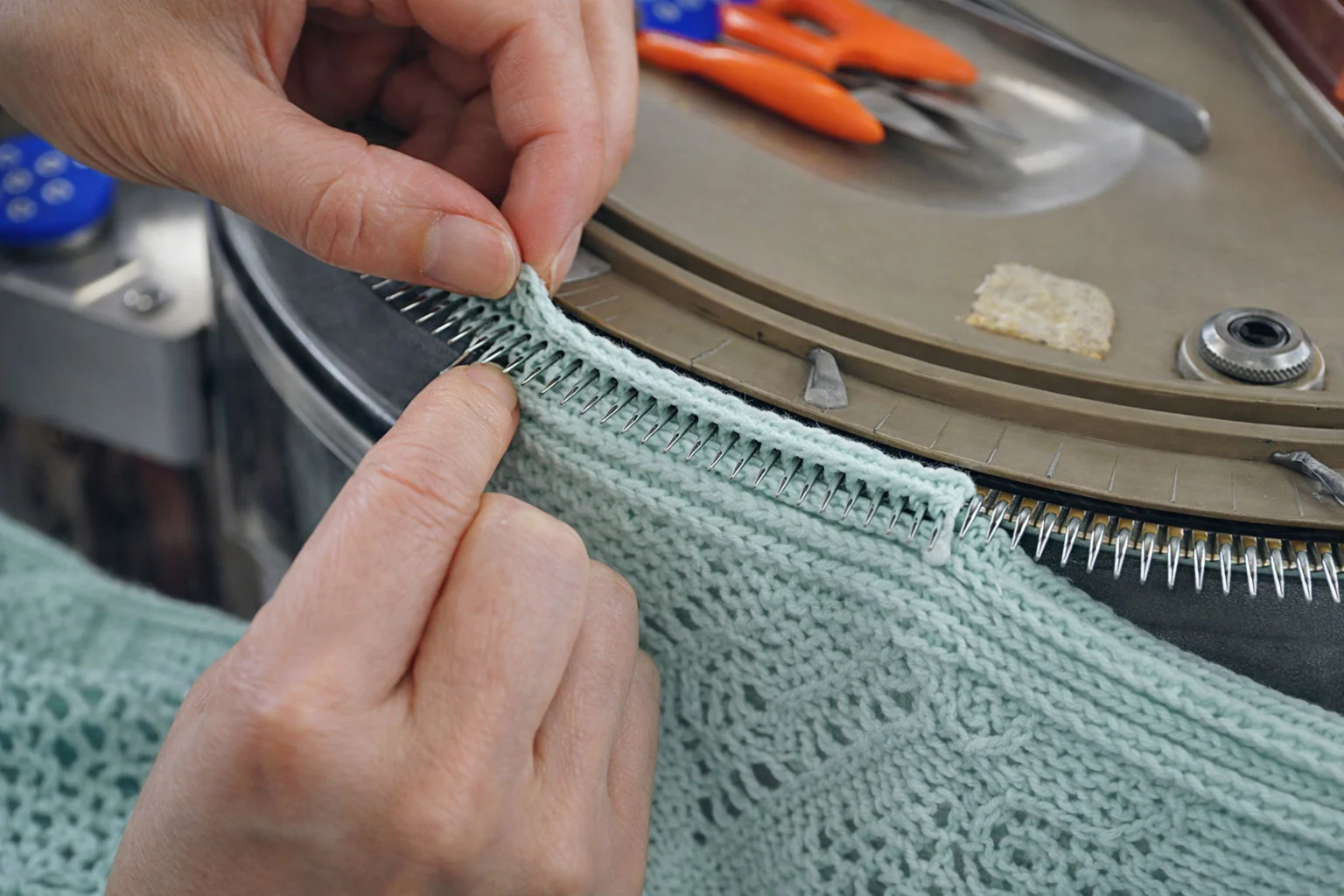
A sub-specialty within Type 2 — mid-size OEM factories that have specifically invested in Amazon-compatible operations: US sizing re-grade as default, OEKO-TEX yarn inventory, FBA-ready polybag and FNSKU application, published category teardowns. Lin Sweater is this type.
Best for: Amazon FBA sellers (new launches and scale-up). See our Amazon private label service for the full operational setup.
Watch out: Only a handful of factories in Dalang actually operate this way (vs. claim to). Easy test: ask for their OEKO-TEX yarn certificate and a sample FBA polybag before sampling.
Factories that ramp massively for Q4 Christmas sweater production (April–September) and scale down off-season. Jacquard and intarsia specialists for Fair Isle, Nordic, ugly-sweater patterns. Off-season runs baseline production to retain workers.
Best for: Brands with Christmas-focused capsule collections. Amazon Q4 FBA sellers in the Christmas category. See our Christmas sweater service for sourcing calendar.
Watch out: Q1/Q2 pricing is lowest (factory wants utilisation), Q3 pricing doubles, by September-October pricing is 3× normal and lead time doubles. Timing matters.
Not a factory at all — an office with 5–20 salespeople who subcontract your production to one or more of the factories above, then charge you 20–30% on top. Appear on Alibaba as "manufacturers" with generic factory stock photos. Cannot take you to a factory they actually control.
Best for: Nothing. Even brands that want hand-holding get better service from a real mid-size OEM factory.
Watch out (CRITICAL): 3–5 tells: (1) Can't share business license of the actual production facility; (2) "Factory visit" is always "arranged" elsewhere; (3) Quote on yarn count or gauge requires "checking with factory"; (4) First-hand samples not in stock — always "made to order"; (5) Employee LinkedIn profiles say "sourcing agent" or "export trader". Read our full trading company vs factory guide.
How to tell which type you're talking to — 5 questions to ask
Send these 5 questions to any Dalang supplier before sending a tech pack or discussing pricing. The answers reveal the factory type clearly:
- "What is your typical order size range?" Mid-size OEM: 300–2,000 pieces. Large export: 500+ minimum. Boutique: quoted in pieces not dozens. Trading company: vague answer.
- "What gauges do you run in-house?" Real factory: names specific machine gauges (3G / 5G / 7G / 12G / 14G). Trading company: "all gauges" or "depends on order".
- "Can you share a photo of your production floor with today's date visible?" Real factory: sends within a day. Trading company: deflects or sends stock photos.
- "What's your in-house yarn inventory today?" Real factory: can describe inventory in specific yarn counts. Trading company: "we order yarn per job".
- "Who will our main contact be during production?" Real factory: pattern team lead or production manager. Trading company: sales manager who will "communicate with factory on your behalf".
Factory type comparison — at a glance
| Type | Workers | MOQ | Small brand friendly | English OK | Amazon-ready | Audited |
|---|---|---|---|---|---|---|
| 1. Large export | 500–2000 | 500+ | ✗ | ✓ | Varies | ✓ |
| 2. Mid-size OEM ⭐ | 100–300 | 300 | ✓ | ✓ | ✓ | Applying |
| 3. Boutique premium | 30–80 | 100–300 | ✓ | Mixed | ✗ | Varies |
| 4. Cashmere direct | 40–70 | 100–500 | Limited | Mixed | ✗ | Mixed |
| 5. Chunky fast-fashion | 150–400 | 200–500 | Bulk only | ✓ | No OEKO | Rare |
| 6. Amazon-ready OEM ⭐ | 100–250 | 50–200 | ✓ | ✓ | ✓ | Applying |
| 7. Seasonal Christmas | 80–200 | 100–500 | ✓ | ✓ | Q4 only | Mixed |
| 8. Trading company ⚠️ | 5–25 | 100–300 | No | ✓ | Claims only | Can't show |
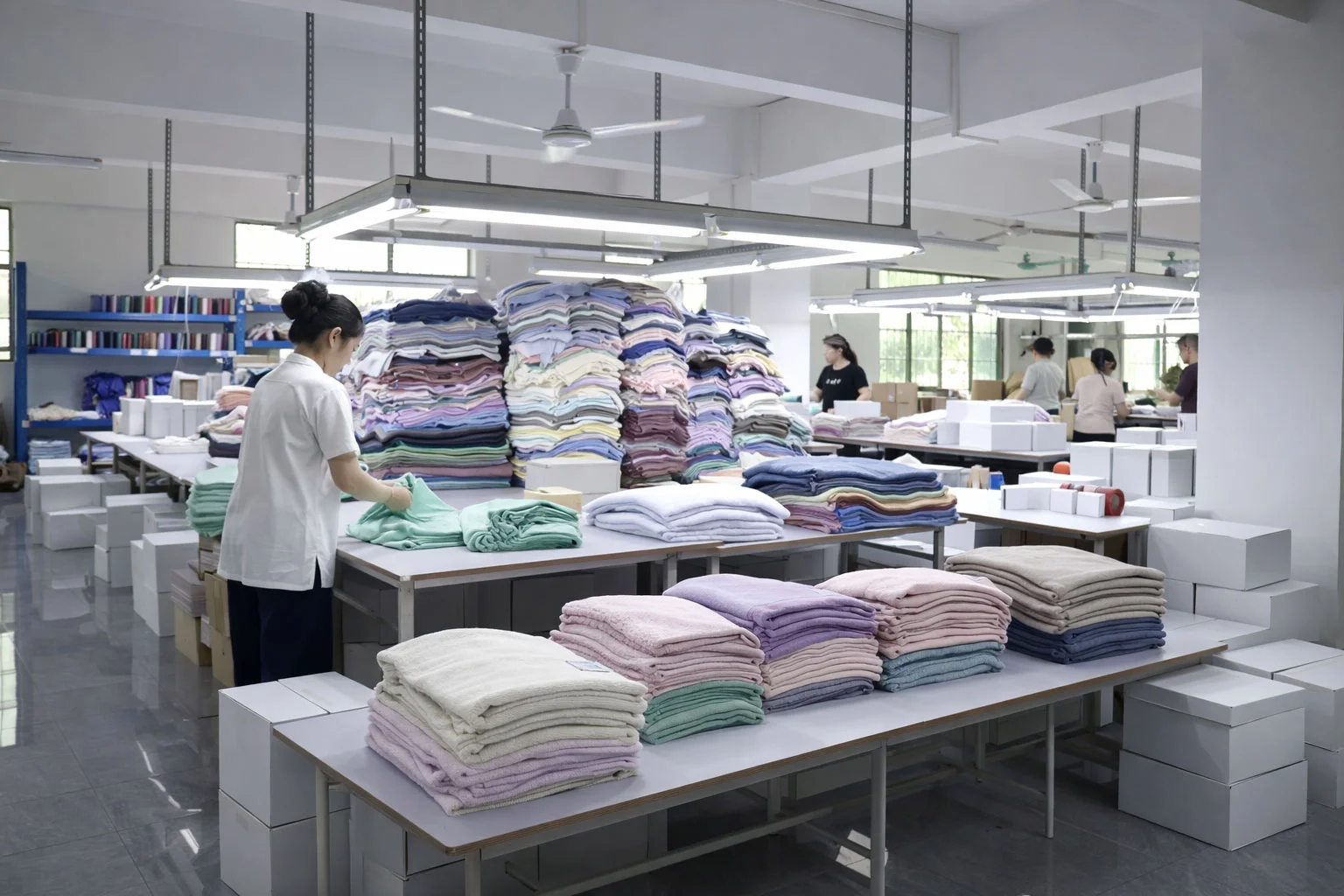
Where Lin Sweater fits honestly — Types 2 and 6
We're an honest match for Type 2 (Mid-Size OEM Specialist) and Type 6 (Amazon-Ready OEM Factory). We have 120+ workers, our MOQ is 300 per style, we've invested specifically in Amazon-compatible workflows (US sizing default, OEKO-TEX yarn inventory, FBA-ready prep), and we've published public category teardowns of 4 Amazon knitwear bestsellers.
Where we are not the right fit:
- If you are placing a 10,000-piece wholesale order for European retail — consider a Type 1 factory. Our pricing at that volume is not the cheapest in Dalang.
- If you are launching a premium $180+ cashmere line — consider Type 3 or Type 4. While we produce cashmere, our core clients pay $40–80 retail — we won't give you the craftsmanship edge a boutique workshop offers.
- If you need a $15 acrylic chunky sweater at 500 pieces — a Type 5 factory will beat our price. Our unit economics aren't built for that product tier.
For Amazon FBA testing, Shopify DTC brands, boutique retail, startup brands, and family-matching Christmas capsules — we're the right type. See our main overview page, low MOQ service, and Amazon private label service for operational details.
Not sure which factory type you need?
Tell us your brand stage, target retail price, and typical order size. We'll honestly tell you whether Lin Sweater fits — or whether you should be talking to a Type 1, Type 3, or other specialist. 24-hour reply, no sales pressure.