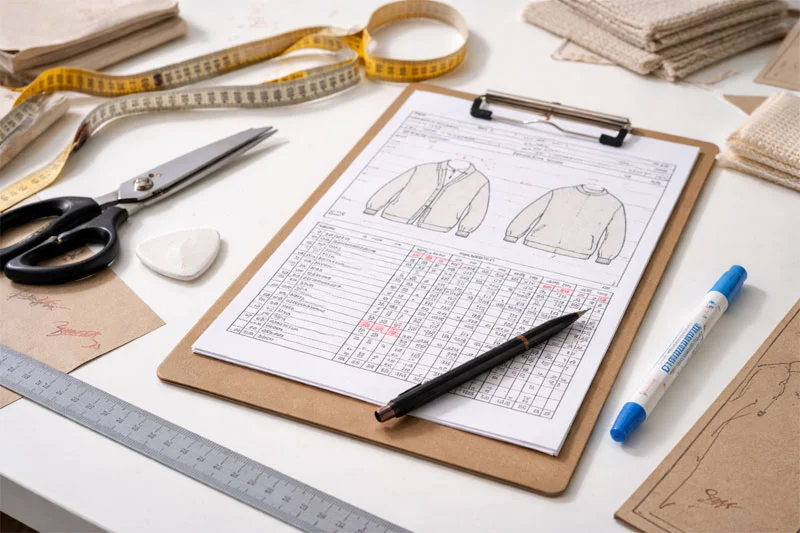
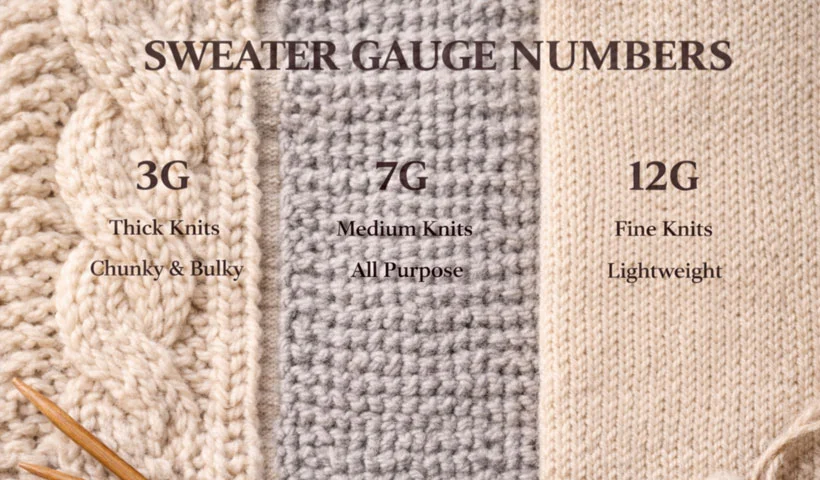
Too many sample revisions usually do not mean the buyer is difficult or the factory is careless. More often, they mean key decisions were left open too long. In knitwear, small changes have a chain reaction. A new yarn can affect gauge. A gauge change can affect measurements. A fit adjustment can change the neckline, rib proportion or body balance. That is why repeated revisions are common when the early brief is vague.
From a factory perspective, the goal is not to avoid every correction. Revisions are part of real product development. The goal is to avoid unnecessary rounds that cost time, delay approvals and create confusion before bulk. If buyers want a smoother sampling process, these are the areas that make the biggest difference.
1. Define what matters most before sampling starts
Many revisions happen because buyers ask the factory to improve everything at once: fit, softness, weight, cost, stitch detail, neckline shape and delivery speed. Some of these goals can work together. Some cannot. A stronger sampling process starts with priority ranking. Decide what matters most for this style. Is it handfeel, visual shape, retail price, low MOQ, or speed to market?
When the factory knows the top priorities, it can make better early technical decisions. This is especially important for newer brands that are still balancing product ambition and first-order budget.
2. Send a clearer reference package
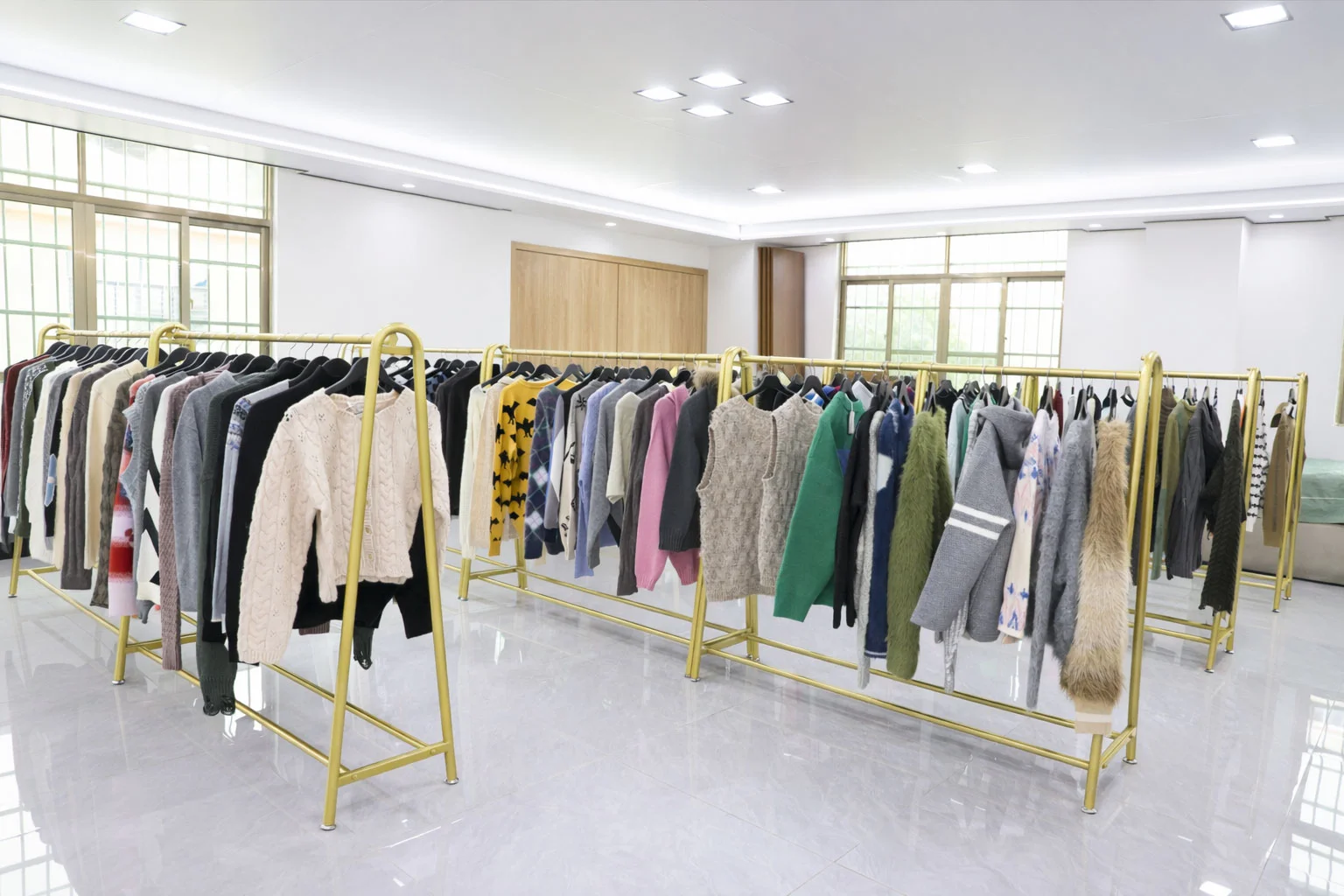
One front-view image is rarely enough for knitwear. If the buyer can provide front, back and close-up detail references, the first sample becomes much more useful. It also helps to explain what should be copied closely and what is only inspiration. That distinction saves time because the factory can tell whether the request is about silhouette, texture, stitch pattern or overall mood.
If there is no complete tech pack yet, the minimum useful package should still include garment type, target size range, approximate quantity, color direction and material preference. Buyers who do this well usually get fewer revision rounds because the factory is not guessing core information. Our knitwear tech pack guide goes deeper into the structure of a stronger brief.
3. Do not change several core decisions in the same round
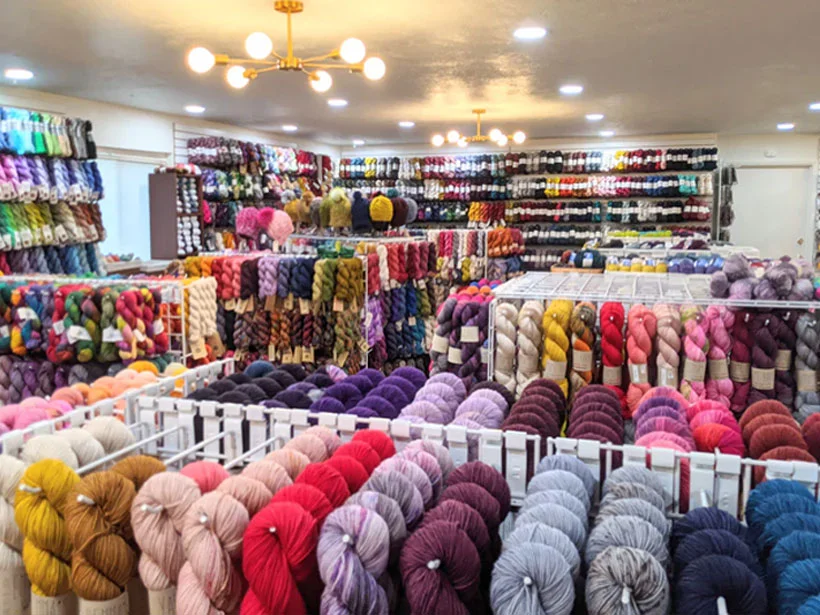
A common mistake is changing yarn, fit and construction together after seeing one sample. When that happens, it becomes difficult to judge which change improved the garment and which one created a new issue. A cleaner process is to group revisions. For example, one round may focus on fit and body balance, while the next confirms yarn handfeel or color direction.
This matters even more in low MOQ development, because every extra round affects timing and can also affect costing logic. Buyers who are also watching budget should read our guide on what increases knitwear cost the most together with this topic.
4. Review every sample with one fixed checklist
The fastest way to create confusion is to review the first sample casually, then the second sample in detail, and the third sample emotionally. A better method is to use one review checklist every time. We usually suggest: measurements, fit, yarn handfeel, gauge, neckline shape, rib balance, color, trim details and overall commercial suitability.
It is also helpful when the buyer marks each point as one of three categories: approved, needs correction, or still needs discussion. That structure gives the factory something it can act on. It also reduces back-and-forth messages that repeat the same issue in different words.
5. Respond faster and more clearly between rounds
Factories lose time when feedback arrives in fragments over several days. One message says the body is too short. Another comes later saying the handfeel should be softer. Then a final note asks for a tighter neck shape. If the comments had arrived together, the factory could have reviewed them as one decision package. Split feedback often creates extra waiting and sometimes extra mistakes.
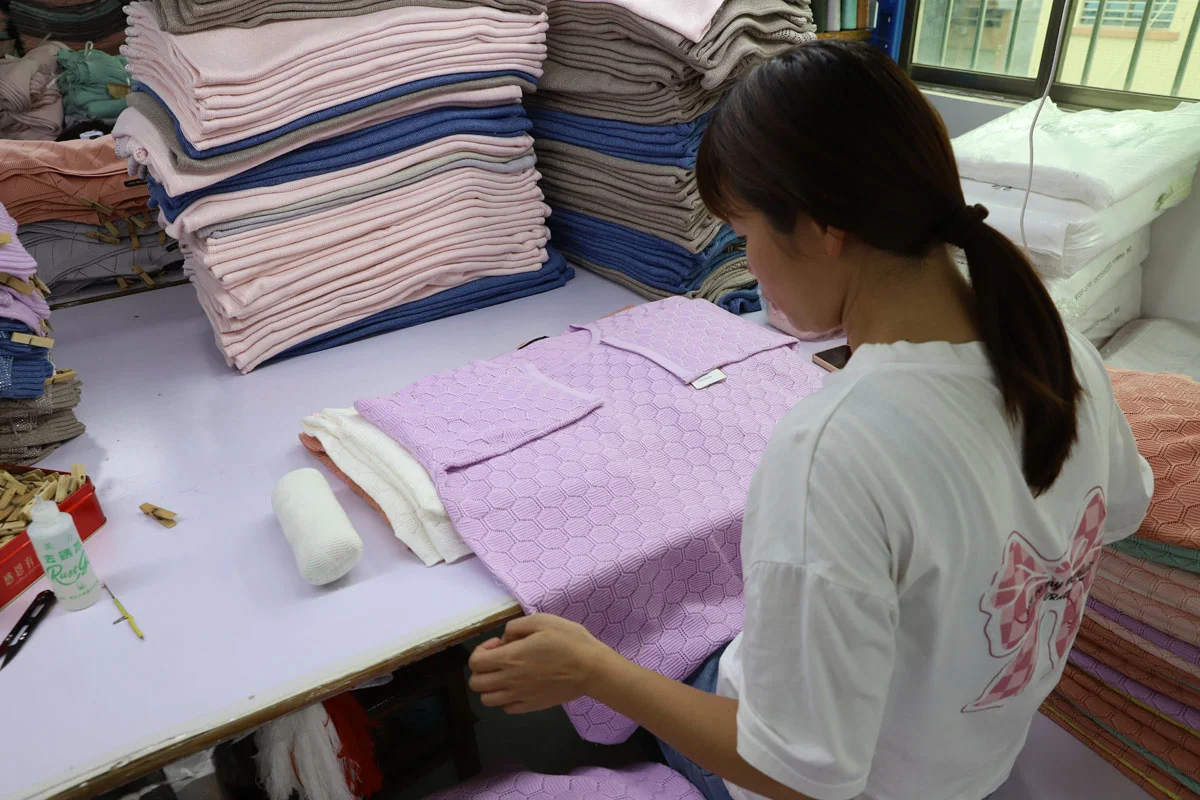
We usually suggest that buyers collect internal comments first, then send one organized revision note. This is one of the simplest ways to reduce unnecessary sample rounds without lowering standards.
What we suggest at Lin Sweater
At Lin Sweater, the most efficient projects usually follow the same pattern: a clearer first brief, one priority list, one review checklist and one organized feedback message after each round. That does not remove all revisions, but it usually reduces avoidable ones. It also helps both sides decide earlier whether the style is ready for a PP sample and later for bulk.
If you already have repeated sampling problems, it is worth reviewing whether the issue is really factory speed or whether too many technical decisions are still moving at the same time. In many projects, the second problem is the real one. You can also see how we organize that handoff on our How We Work page.
Trying to reduce sample rounds on a new knitwear style?
Send us your reference photos, current feedback notes and target launch timing. We can help you identify which decisions should be fixed first before the next revision round.