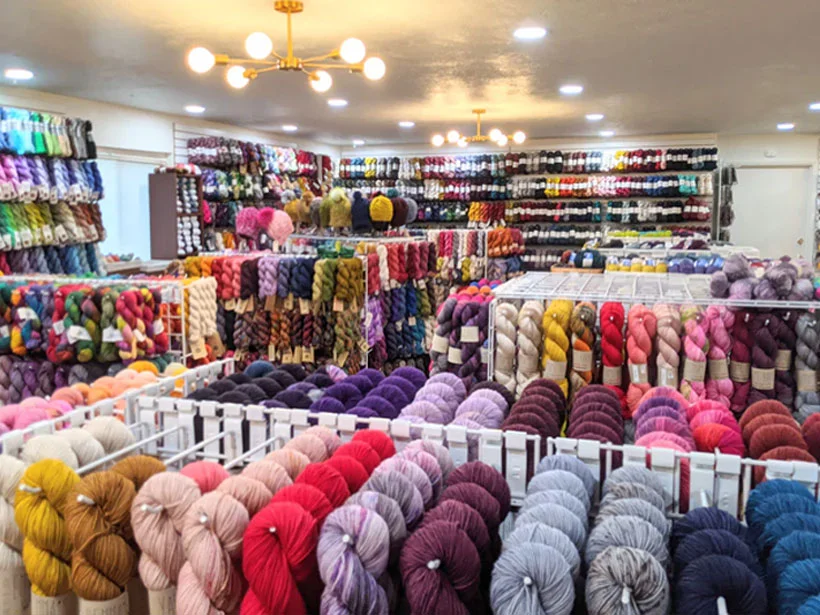
When buyers ask why a sweater price is rising, the answer is rarely just "materials got more expensive." In real knitwear production, cost usually increases because several decisions begin stacking on top of each other: better yarn, more difficult gauge, smaller MOQ, more color splits, more sample revisions or more complex finishing. None of those factors is wrong by itself, but buyers need to know which ones matter most.
From a factory perspective, the biggest cost increases usually come from six areas. Some are good reasons to pay more because they improve the product. Others are avoidable and happen only because the order was not planned clearly enough at the beginning.
1. Yarn quality changes the price fastest
Yarn is usually the largest cost component in any sweater. A merino or cashmere blend can increase the ex-factory price much faster than most buyers expect. Even within the same fibre family, count, blend ratio and supplier quality make a real difference. This is why a sweater that looks simple on the outside can still be expensive if the yarn specification is premium.
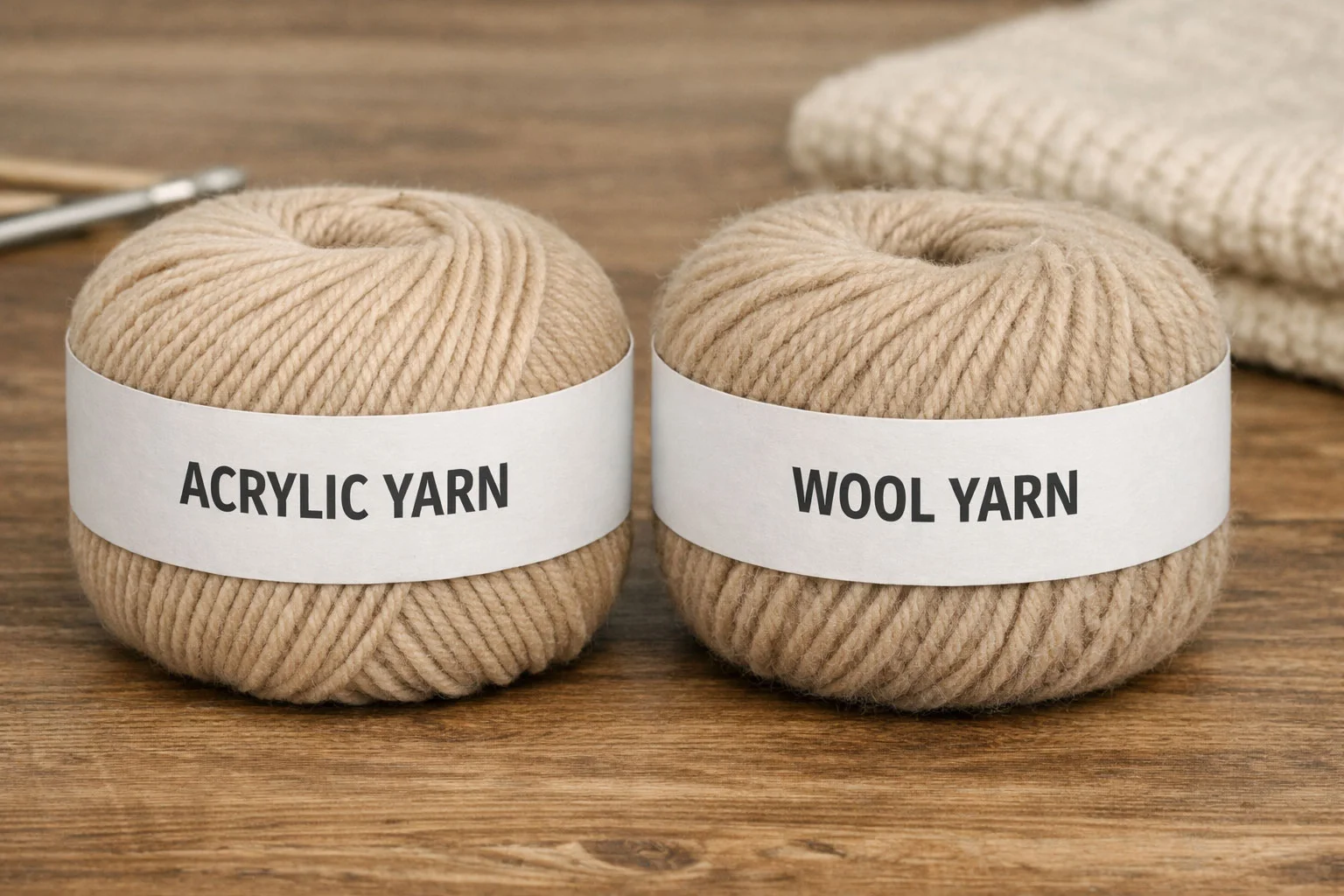
This does not mean buyers should always choose cheaper yarn. It means they should understand exactly what they are paying for. Our cost breakdown guide and cotton vs merino vs cashmere guide explain this in more detail.
2. Pattern and construction complexity add hidden cost
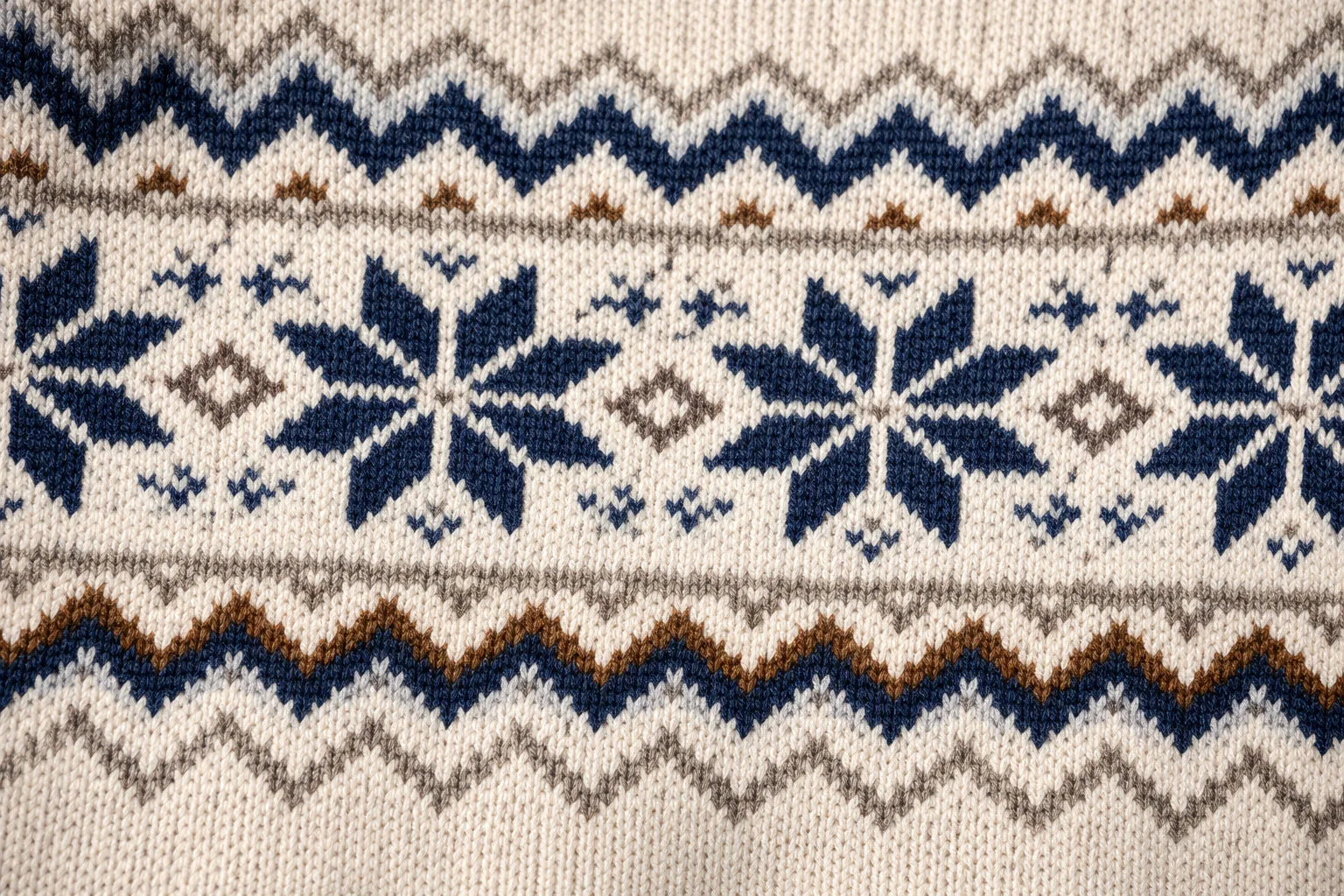
A plain crew neck is not costed the same way as a jacquard cardigan or a highly shaped fashion knit. Complex stitches, jacquard patterns, intarsia sections, front plackets, trims and unusual finishing all increase machine time and development effort. Buyers sometimes focus on the visual design only, but the factory sees extra operations and slower production speed.
3. Low MOQ pushes the unit price up
Small orders are useful, but they are not cheap. A 300-piece order spreads the same development effort over fewer garments than a 300-piece order. That means the cost per piece naturally rises. This is why low MOQ should be treated as a risk-control tool, not as a way to get both the lowest quantity and the lowest price at the same time. Our small MOQ guide explains what 300 pcs really means in production terms.
4. Too many color and size splits make small orders weaker
One of the most common avoidable cost increases happens when a buyer takes a small order and splits it too many ways. Extra colors mean more yarn handling and more planning. Weak size ratios create packing and stock problems. In many cases, simplifying the order structure improves both the commercial test and the factory efficiency. That is exactly why we recently wrote how to split colors and sizes in a low MOQ sweater order.
| Decision | Why cost rises | Can it be controlled? |
|---|---|---|
| Premium yarn | Higher raw material price | Only by changing fibre or blend |
| Low MOQ | Development cost spread over fewer pieces | Partly, by simplifying the style |
| Too many colors | More yarn handling and weaker quantity per color | Yes, by keeping one core color |
| Repeated sample changes | More pattern and sampling time | Yes, with a better first brief |
5. Repeated sampling changes cost more than buyers expect
Some cost increases are not caused by the product itself. They are caused by uncertainty before development starts. If the buyer changes yarn direction, measurements, neckline shape and target fit across several rounds, the sample phase gets longer and more expensive. This is why a clear first brief saves money. Our sampling checklist is useful precisely because it reduces avoidable revisions.
6. Extra finishing and quality control are worth paying for
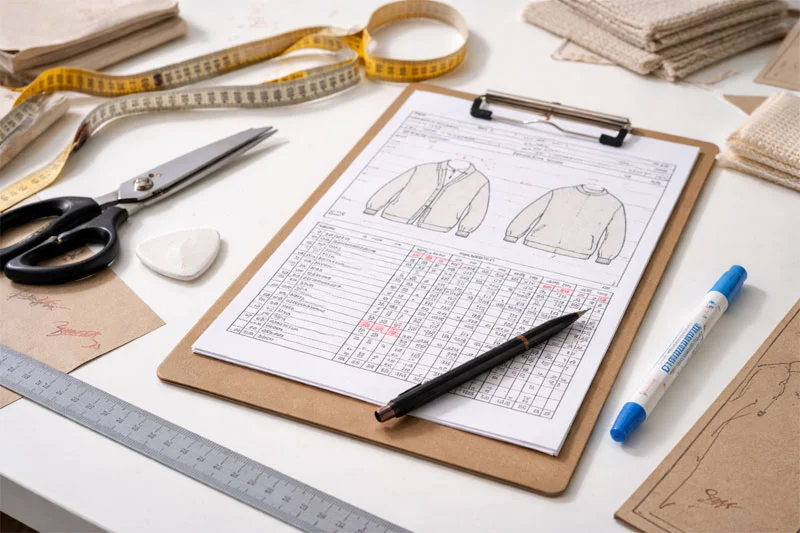
Some buyers try to reduce price by cutting quality control or finishing steps. That is usually a false saving. Good steaming, measurement checking, label control and final inspection help prevent costly problems after shipment. If a factory quote is much lower than others, one reason may be that those steps are thinner than they look on paper.
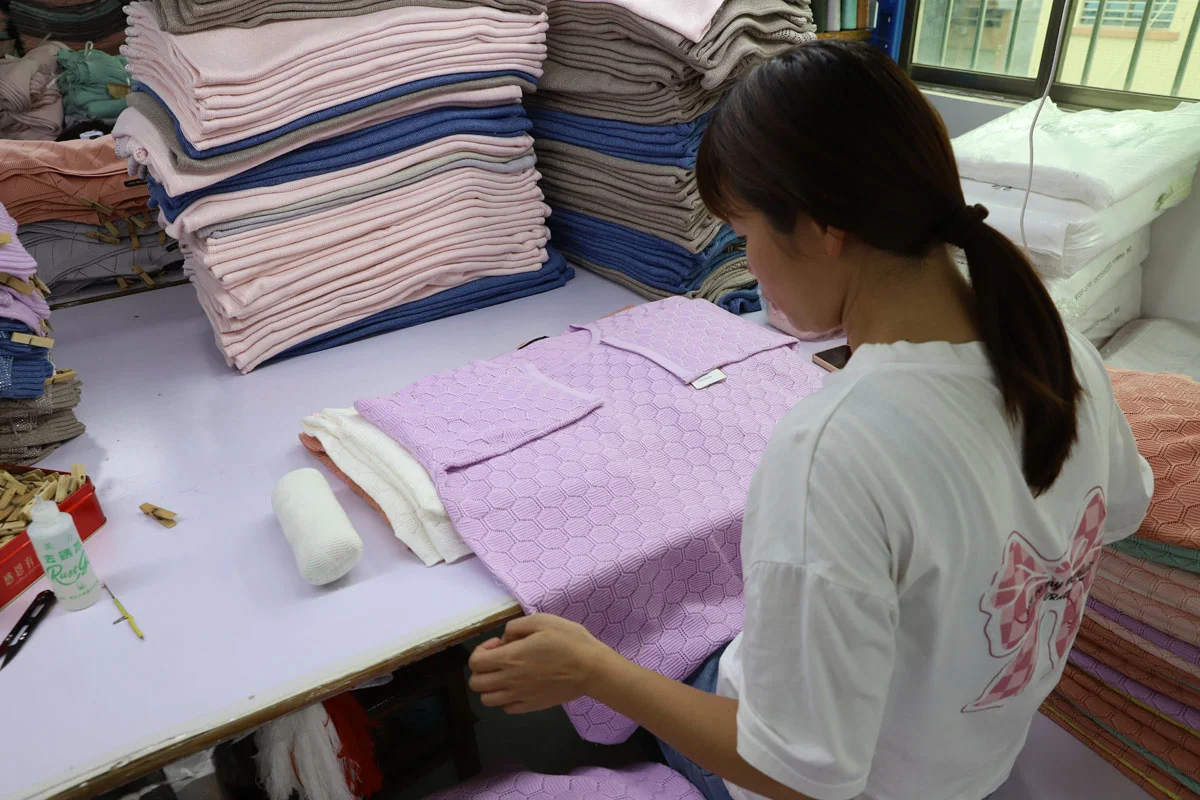
At Lin Sweater, we usually tell buyers the same thing: the right question is not only "how do I lower the price?" It is "which cost increases are creating real value, and which ones come from poor planning?" The better that distinction is understood, the better the final product usually becomes.
Need help understanding why your quote is high?
Send us your style reference, yarn idea and target quantity. We can explain which factors are really driving the knitwear cost up before you lock the order.