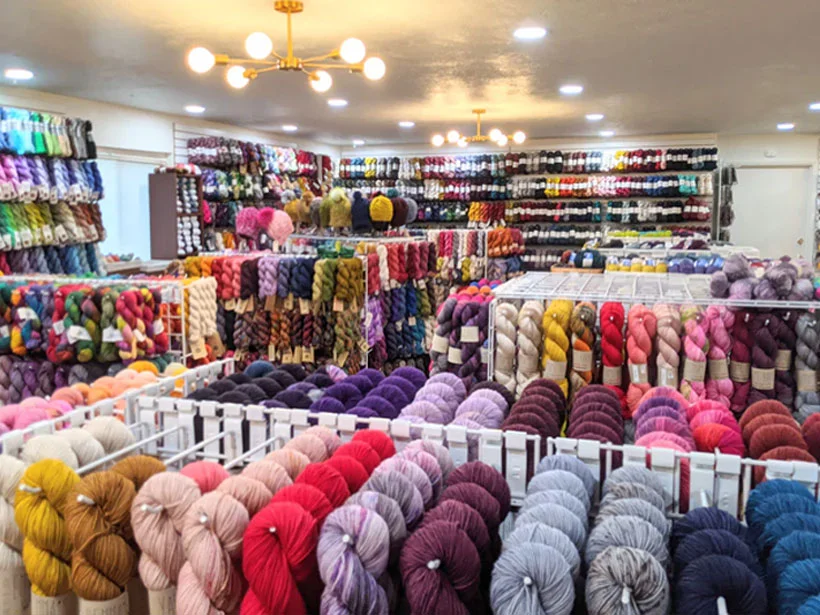
One of the most common mistakes in low MOQ knitwear orders is assuming a small total quantity can support too many colors and too many sizes. In production, that usually creates weak size ratios, slow-moving colors and more cost pressure. If a buyer wants a low MOQ sweater order to work, the color split and size split need to be planned together.
From a factory perspective, this is a commercial logic issue. A 300-piece or 300-piece sweater order can work well, but only if the buyer uses those pieces in a way that supports clear production, realistic stock planning and repeat potential.
Why small orders break down so easily
Low MOQ does not mean unlimited flexibility. If a buyer has 60 pieces and divides them across three colors and six sizes, the result is often too fragmented to sell well. Some sizes end up with only one or two pieces per color. From the factory side, each extra split also increases planning complexity around yarn, labeling and packing.
This is why we advise buyers to think in terms of "test strength" rather than "visual variety." One good color with a healthy size ratio teaches more than three colors with weak depth.
How to split colors in a low MOQ order
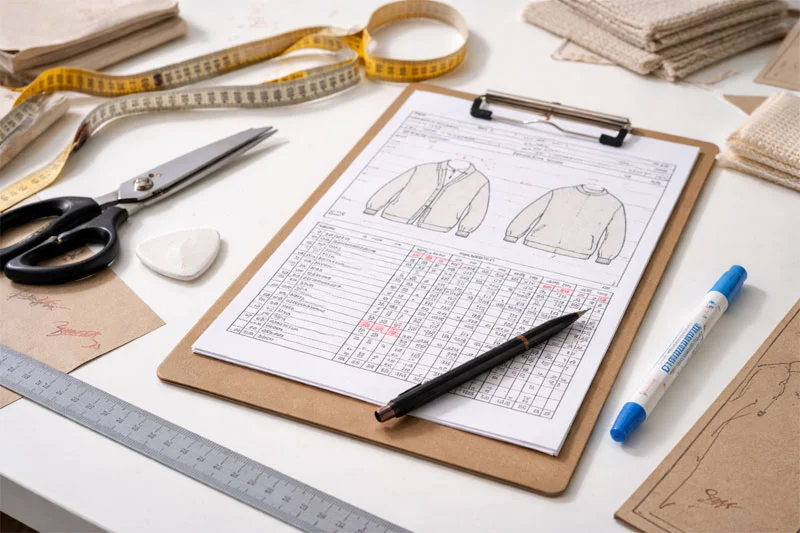
For most low MOQ sweater programs, one main color and one secondary color is a safer structure than several equal splits. The main color should carry most of the quantity because it gives the buyer a stronger test and gives the factory cleaner production flow.
| Total order | Safer color split | Higher-risk split |
|---|---|---|
| 300 pcs | 1 color, or 35/15 across 2 colors | 3 colors with under 20 pcs each |
| 300 pcs | 60/40 across 2 colors | 4 colors with 25 pcs each |
| 300 pcs | 2 strong colors, or 70/50/30 | Too many equal splits without a core seller |
If the buyer is not sure which color should lead, the safest answer is usually the most stable color.
How to split sizes without creating dead stock
Size planning should follow the likely sales center of the target market. Many small orders become inefficient because the buyer tries to cover every edge size from the beginning. In practice, the first order should usually focus on the sizes most likely to move. For many women's sweater programs, that means the core ratio may sit around S, M and L. For men's, M and L may carry more weight.
What matters is having enough pieces in the sizes most customers will actually buy. That also makes reorders easier if the style works.
What the factory needs before advising the split
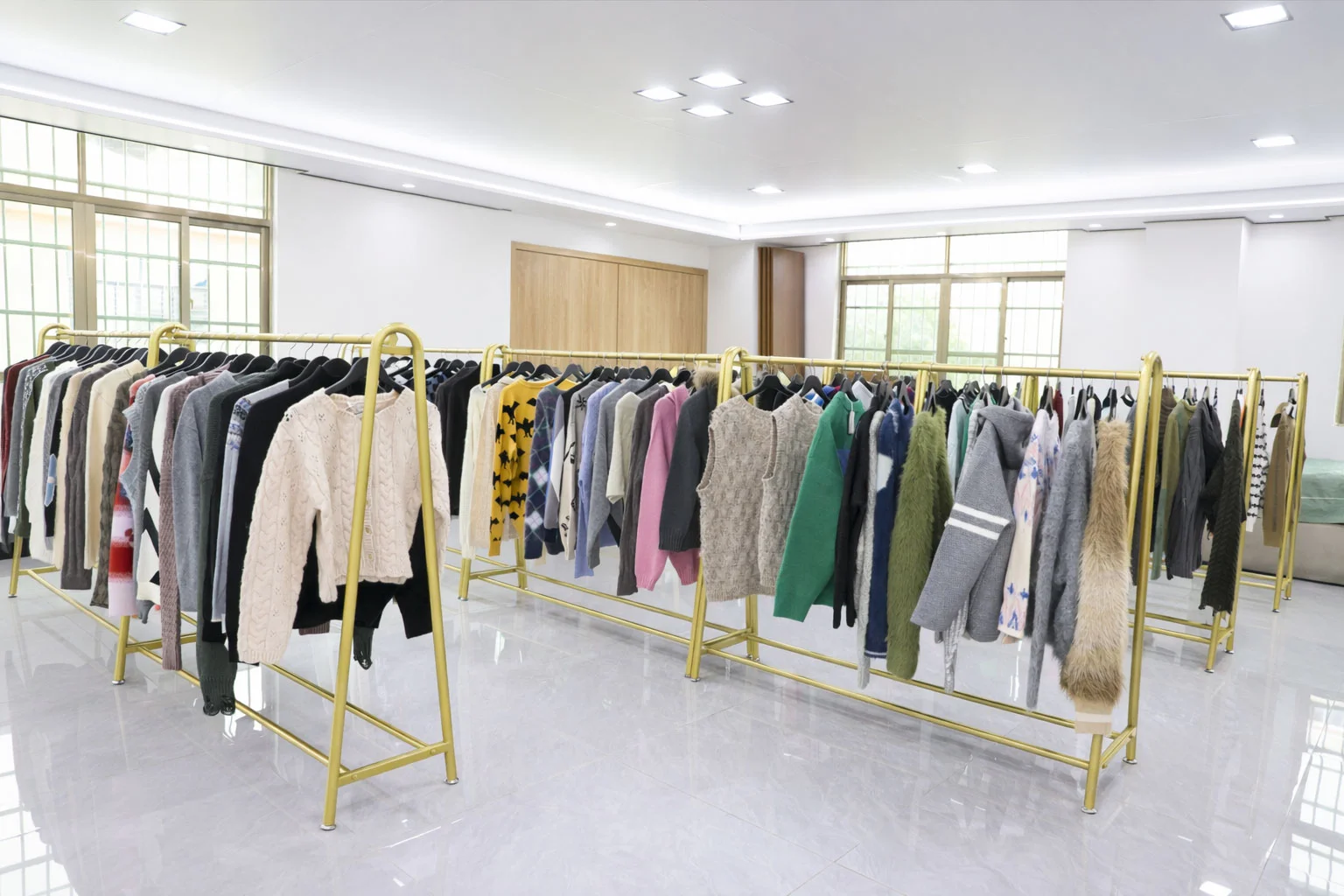
To help a buyer plan a low MOQ color and size breakdown, the factory usually needs the target market, fit direction, total quantity and whether the order is a first launch or a repeat. Without that context, the size ratio becomes guesswork. This is why our sampling brief checklist matters even before bulk planning starts.
At Lin Sweater, we usually suggest buyers begin with a tighter structure, confirm the sample, then review whether the order split still makes sense before bulk. If you are comparing options, our quote guide also helps explain how extra color and size complexity affects price.
Need help planning your color and size breakdown?
Send us your total quantity, target market and sweater style. We can suggest a more realistic low-MOQ split before you lock the order.