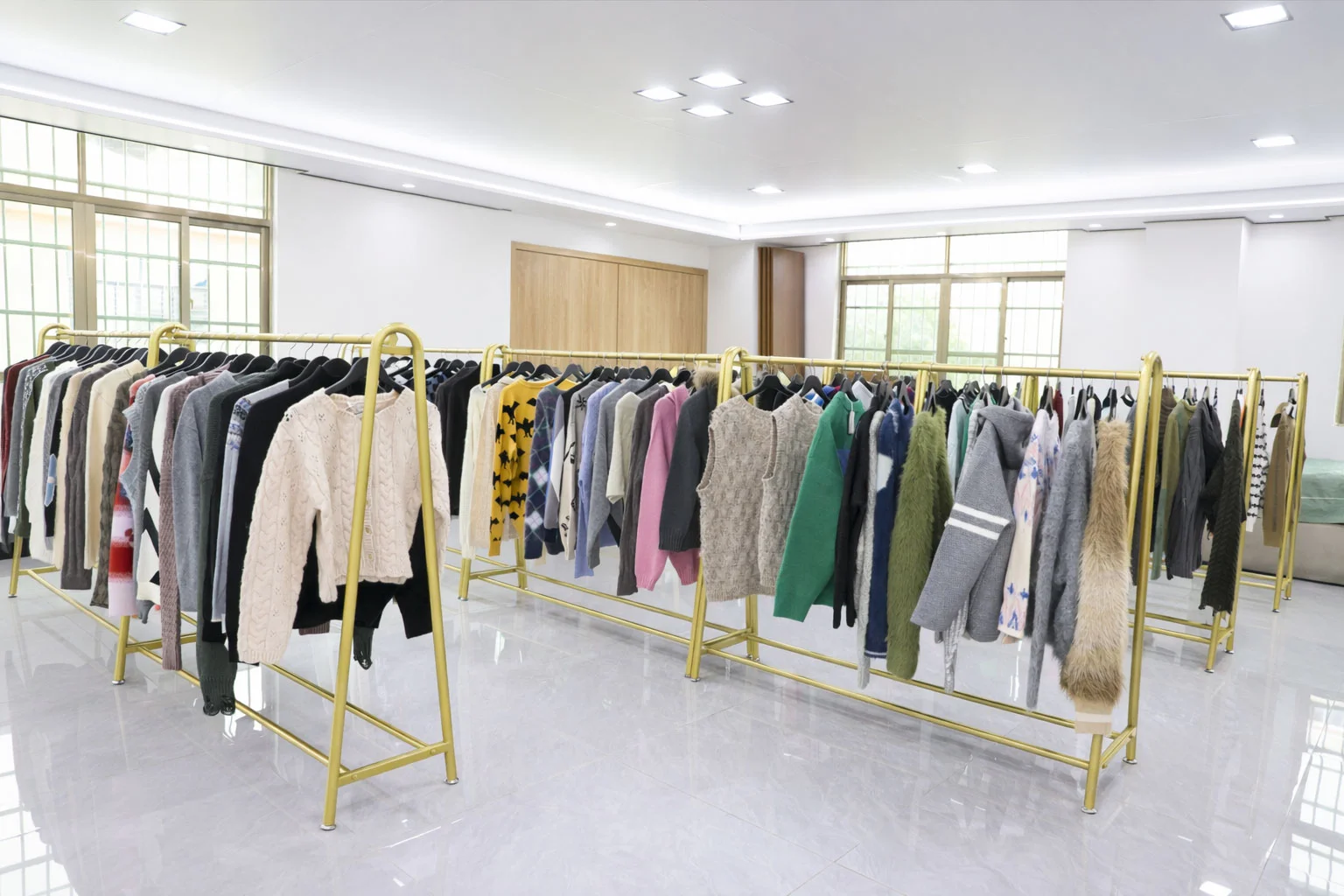
Most startup brands do not fail because they lack creativity. They struggle because their first production order is planned like a big brand order even though they do not yet have the budget, quantity, forecast or technical system of a big brand. In knitwear, this matters even more because sweaters are not just sewn. They are engineered through yarn, gauge, stitch structure and finishing.
This article explains what startup brands should expect from a custom sweater manufacturer, what a realistic first order looks like, how low MOQ actually works, and which mistakes waste the most money before a brand has even launched properly.
We write this from our own factory experience in Dalang, Dongguan, where we work with both established buyers and small brands placing their first custom sweater order. The questions are different, but the production reality is the same: the better the planning, the better the first sample and the smoother the bulk order.
Why startup brands need a different kind of factory partner
A startup brand is not only buying sweaters. It is buying learning. The founder often does not yet know which silhouettes will sell, which yarn the customer prefers, how many sizes to launch with, or how fast a reorder might be needed. That means the first order should be structured to teach the brand something useful, not only to produce stock.
Factories that are built mainly for large runs can still make good garments, but they often struggle to support this kind of order. They want stable, repeated programs. Startup brands need a more flexible beginning: smaller MOQ, clearer sampling support, and more explanation around cost, fit and timelines.
Lower inventory risk
Startup brands usually need to test one style first, not commit to a full collection across several colours.
More technical support
The buyer often needs help with gauge, yarn, tech pack detail and sample feedback.
Faster learning cycle
The goal is not the lowest possible unit price on the first order. The goal is getting to the right product quickly.
This is exactly why our small MOQ guide and private label knitwear guide matter for startups.
What a sensible first sweater order looks like
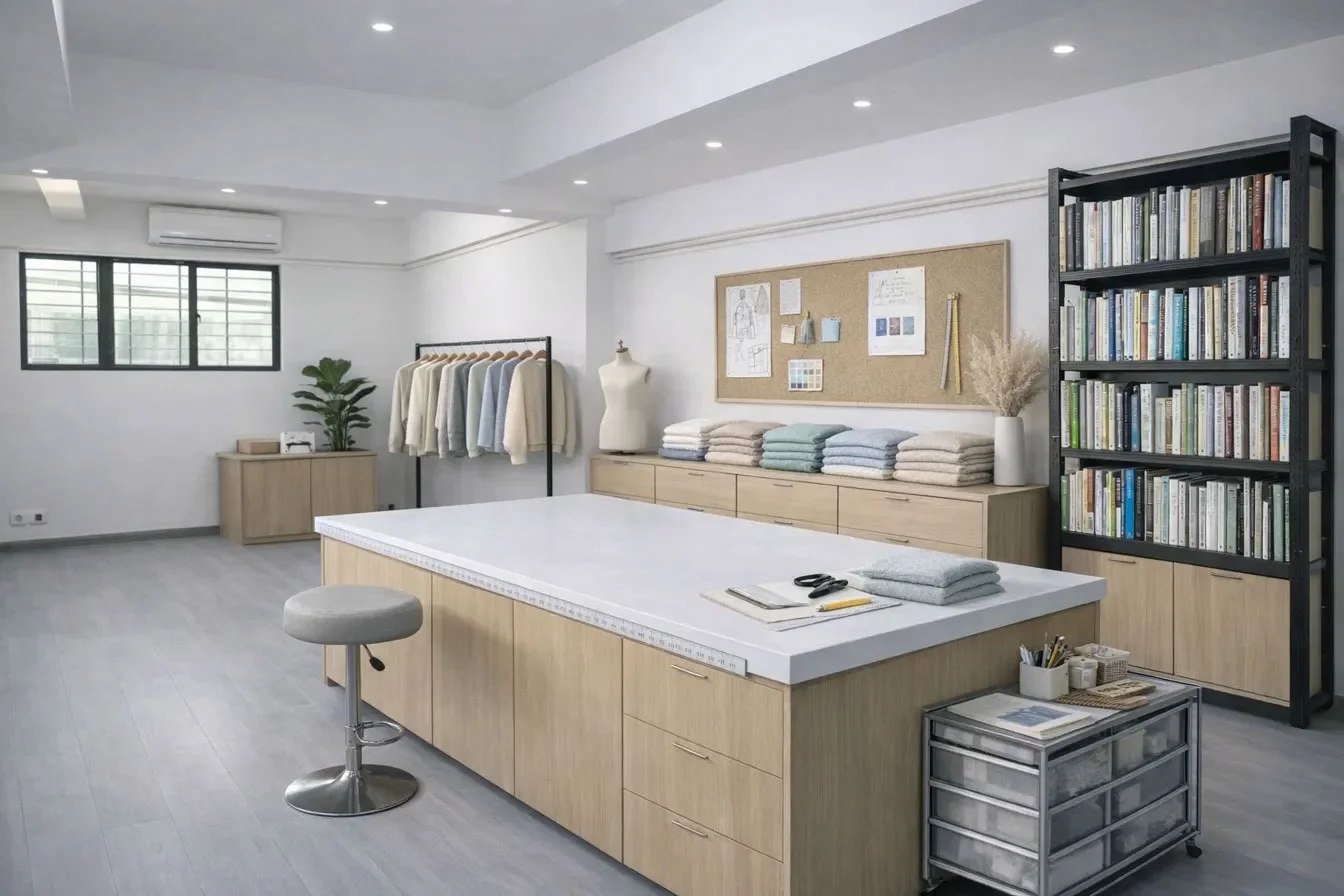
For most startup brands, the best first order is not five styles at once. It is usually one to two clear styles with controlled variation. That gives the brand enough room to test product-market fit without drowning in technical revisions and cash pressure.
A practical first-order structure might be one hero style, one core colour, standard sizes only, and simple but strong branding. From a factory point of view, that kind of order is easier to quote, easier to sample and easier to improve.
MOQ and pricing: what startup brands often misunderstand
Startup buyers often ask for the lowest MOQ and the lowest price at the same time. In actual knitwear production, those goals pull in opposite directions. Smaller quantities increase unit cost because the same setup effort is spread over fewer garments. That is why a 300 pcs order is useful, but not magically cheap.
| Quantity approach | Startup advantage | Tradeoff |
|---|---|---|
| 300 pcs | Low risk, easier testing, less cash tied in stock | Higher unit cost |
| 300 pcs | More balanced for cost and test quantity | Needs more confidence in the style |
| 300 pcs+ | Better ex-factory efficiency if the style is proven | Too much risk for most first launches |
Startups should also pay attention to what the quote assumes. Yarn, gauge, label, sample fees and carton packing all affect the real cost. That is why our guide on how to read a sweater factory quote is especially useful for first-time brands.
How startup brands should choose yarn
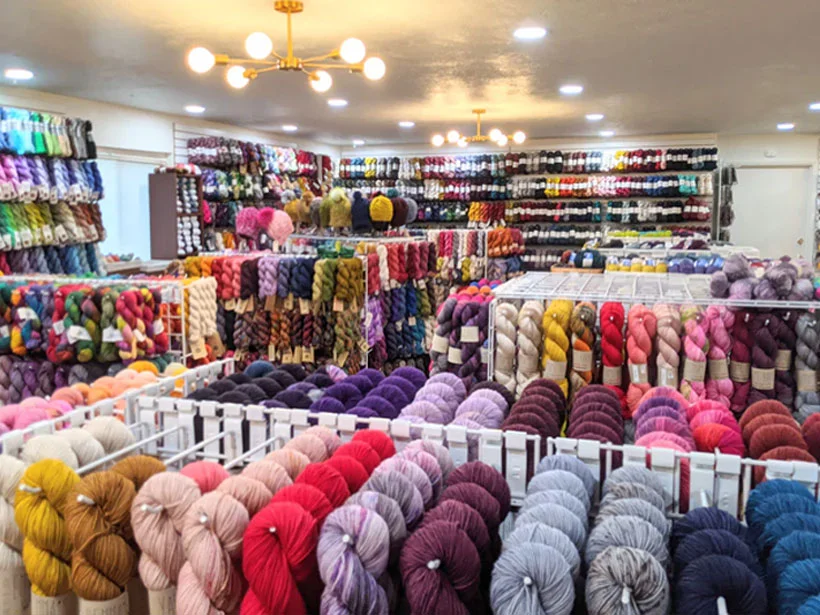
New brands often choose yarn emotionally. A more useful approach is to choose yarn by asking three questions: what retail price range can your market support, what season is the sweater for, and does your customer care more about softness, durability or affordability?
For example, acrylic and blends often make sense for entry price startup launches because they keep the first commercial test realistic. Merino or cashmere can be right for premium positioning, but they raise both unit cost and execution pressure.
What startup brands should expect during sampling
The first sample is not supposed to be magic. It is supposed to reveal what still needs correction. A good first sample can still need adjustments in length, tension, rib width, neckline shape or sleeve proportion. What matters is whether the factory can explain what changed, what can be fixed, and how long the next revision will take.
Most startup brands should allow time for one revision round after the first sample. If the brand launches on a hard deadline, that extra time needs to be built into the calendar from the beginning.
Private label and branding: keep it clean on the first order
Branding matters, but first-order branding should be practical. A clean woven neck label, clear care label and consistent polybag standard are usually enough for a strong first run. Overcomplicated hang tags and luxury carton concepts often create more cost than value in the early stage.
How we work with startup brands at Lin Sweater Factory
At Lin Sweater Factory, we work best with startups that want direct, realistic communication. We are not the cheapest option for every project, and we do not pretend every concept is easy. What we do offer is a practical starting path: low MOQ from 300 pcs, direct factory discussion, clear sample steps, and honest explanation of what will change the price or delay the timeline.
Starting your first sweater brand order?
Send us your sketch, target quantity and retail goal. We can tell you what is realistic before you spend money on the wrong sample direction.