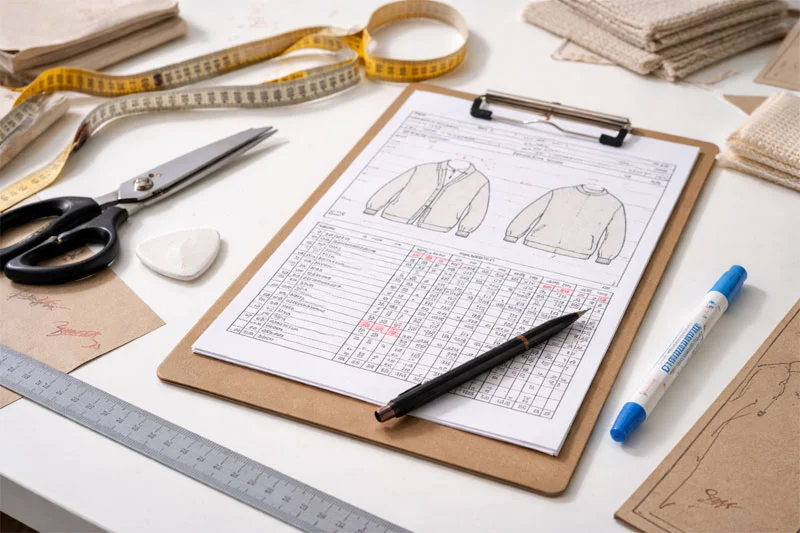
A knitwear tech pack is not only a design document. For a sweater factory, it is the working instruction that decides whether the quote is accurate, whether the yarn is sourced correctly, whether the pattern master understands the fit, and whether the first sample arrives close to what you imagined or nowhere near it.
Buyers often hear "please send your tech pack" and assume the factory wants a polished fashion-school document. In reality, a good factory wants clarity, not decoration. If the measurements are clear, the yarn direction is realistic, the gauge is understood, and the artwork is usable, even a simple tech pack can work well. If those details are missing, a beautiful PDF still creates expensive confusion.
This guide explains what a sweater factory actually needs in a knitwear tech pack, what details matter most, which mistakes create sampling delays, and how to prepare a brief that helps your manufacturer quote and sample correctly the first time.
Why a tech pack matters more in knitwear than in cut-and-sew
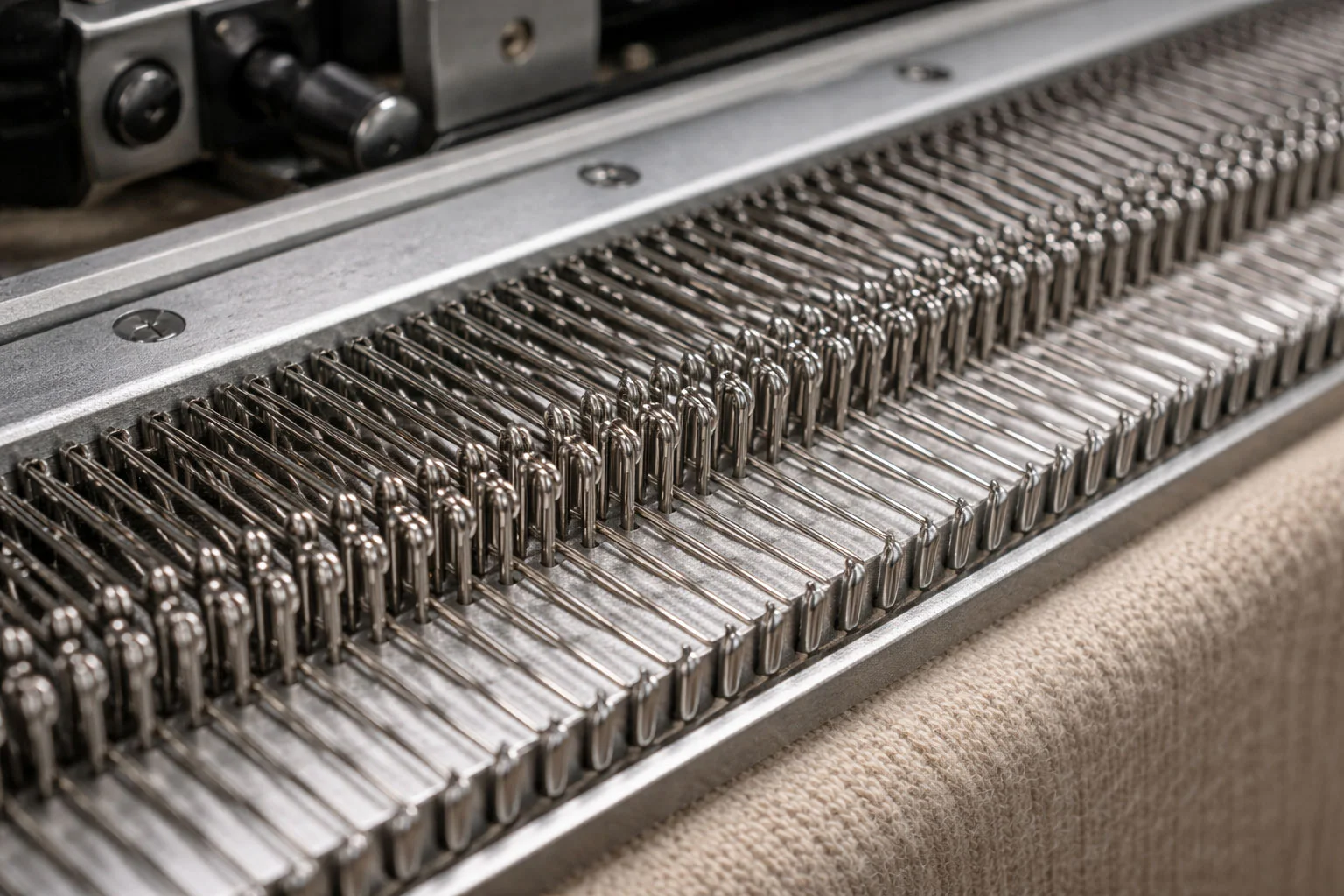
Knitwear behaves differently from woven or cut-and-sew garments. In woven production, a pattern can be cut from fabric that already exists. In knitwear production, the fabric structure itself is being created on the machine. That means the factory has to interpret more technical variables before sampling even begins.
For example, a sweater factory needs to decide whether the style should run in 5G, 7G, 12G or 14G. It needs to know whether the garment shape relies on rib recovery, drape, body weight or heavy structure. It has to understand whether the stitch pattern is jacquard, intarsia, embroidery, cable or simple jersey. These decisions affect machine selection, yarn availability, knitting time and cost.
This is why a vague knitwear brief causes more problems than a vague T-shirt brief. If you are unsure about gauge, our guide to sweater gauge numbers is the fastest place to start.
The must-have sections in a knitwear tech pack
A useful tech pack does not have to be long, but it should contain the sections below. These are the parts our pattern and sampling team actually checks before quoting and developing a sweater sample.
- 1. Style overview Front and back sketch, category, fit direction, target market and season. At minimum, we need to know whether it is a women's fitted cardigan, a men's relaxed crew neck, a kids' jacquard pullover, or another clear product type.
- 2. Measurement spec Chest width, body length, shoulder width, sleeve length, cuff width, hem width, neckline width and depth. If you have only one thing to make precise, make it the measurements.
- 3. Yarn and composition Acrylic, cotton, merino, cashmere, wool blend, viscose blend, or "please recommend." If you know the fibre content and yarn count, include it. If not, include target handfeel and price position.
- 4. Gauge and stitch structure 3G, 5G, 7G, 12G or 14G, plus whether the garment uses plain jersey, rib, cable, seed stitch, half cardigan, full cardigan or pattern work.
- 5. Artwork and placement For jacquard, intarsia or embroidery, the artwork file and exact placement matter. A mood image is not enough for production.
- 6. Labels and packing Neck label, care label, size label, hang tag, barcode sticker, folding instruction and polybag standard if you need them.
What your pattern master needs before the first sample
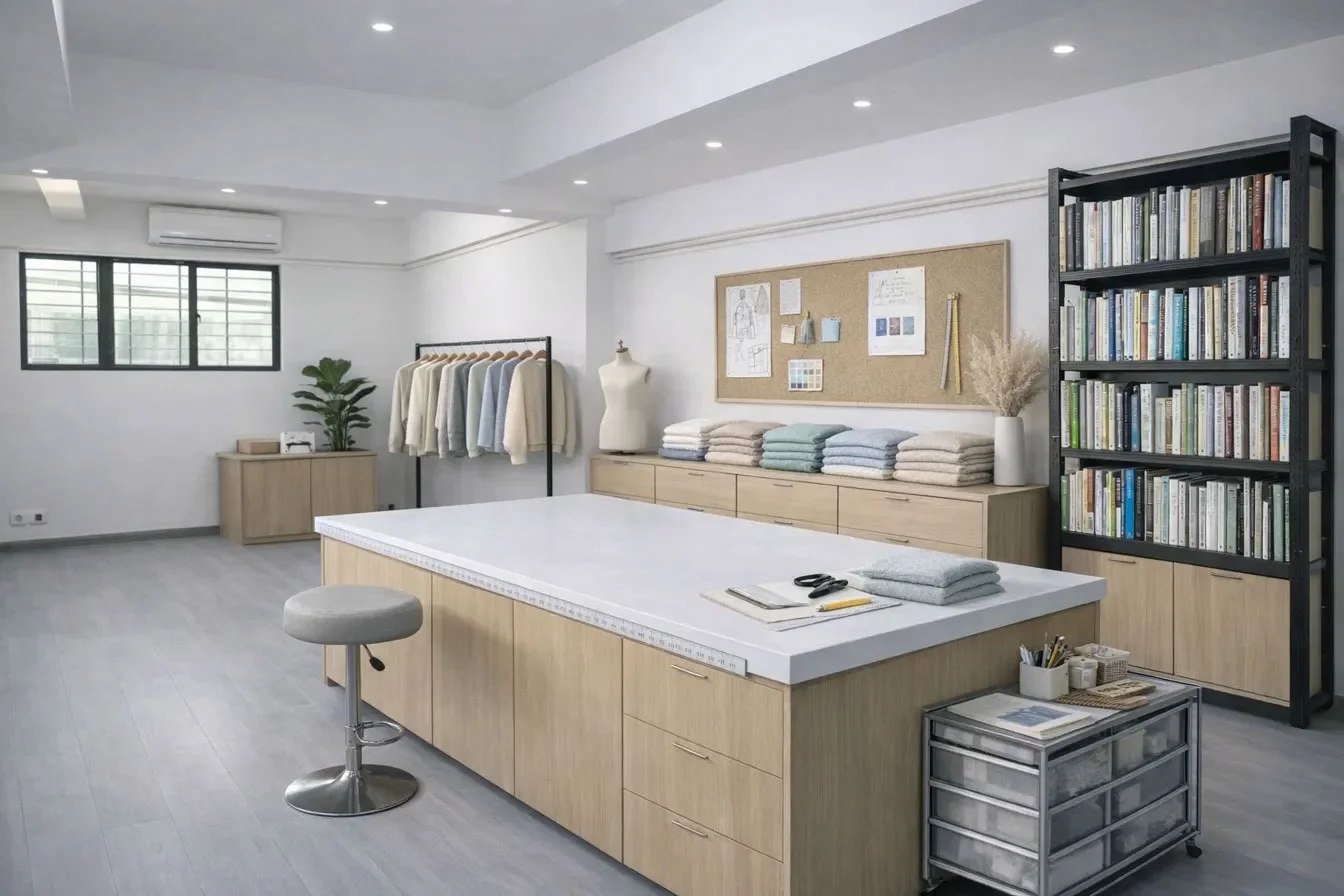
A pattern master does not only "copy the picture." They translate your concept into a technical structure the knitting machine and linking team can execute. That translation is where most mistakes begin or get prevented.
What helps the pattern master most:
Reference with proportions
If you send only a styled fashion photo, the factory still has to guess the true body length, sleeve width and fit balance. A flat sketch or garment measurement table removes that guesswork.
Fit intent
"Relaxed" means different things to different brands. Tell the factory whether the style should sit close to the body, skim it, or feel oversized and dropped.
Commercial target
If you have a target retail or ex-factory range, say it. It helps the factory recommend the right yarn and construction before sampling starts.
Non-negotiable details
Some details must stay exact, like neckline depth or artwork scale. Other details can be adjusted, like rib width or stitch count. Mark the difference clearly.
At Lin Sweater Factory, a clearer tech pack usually means fewer revision rounds and a faster sample cycle. That matters especially for low MOQ buyers, because every extra sample round delays the moment you can approve bulk production.
Measurements: the part most buyers underestimate
Many buyers focus on colour and silhouette, but fit problems usually come from incomplete measurement specifications. A sweater that looks "almost right" in a sample photo can still fail commercially if the sleeve opening is too tight, the armhole is too high, or the hem flips outward after steaming.
For a basic knitwear tech pack, we recommend including at least:
| Measurement | Why the factory needs it | Common problem if missing |
|---|---|---|
| Chest width | Defines the core body fit and grade between sizes. | Sample arrives too slim or too boxy. |
| Body length | Controls silhouette balance and finished proportion. | Garment looks cropped or long even if chest is correct. |
| Shoulder width | Important for neckline sit and sleeve drape. | Shoulders collapse or pull upward. |
| Sleeve length | Needed before linking and finishing adjustments. | Sleeves grow or shorten after steaming. |
| Neck width and depth | Essential for V-neck, crew neck and polo shapes. | Neckline looks cheap or misses the intended style. |
| Cuff and hem opening | Affects recovery, comfort and silhouette. | Hem flares, cuff feels tight, garment loses shape. |
If you have a physical reference sample, measuring that garment accurately is better than writing a vague fit description. If you do not have a sample, then front and back flat sketches with a measurement table become even more important.
How to specify yarn and gauge without overcomplicating it
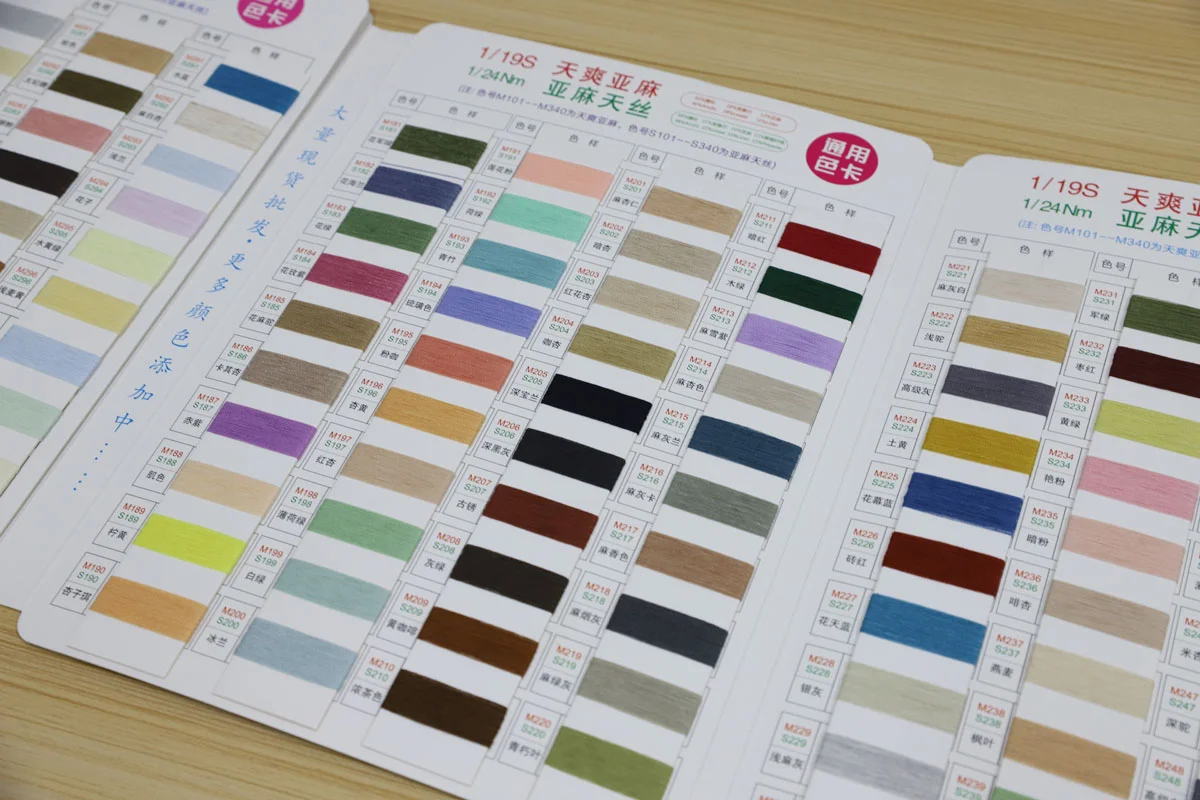
Some buyers avoid mentioning yarn because they are not sure yet. That is understandable, but the factory still needs a direction. If you cannot specify the exact yarn count, specify the commercial goal.
For example, saying "we want a soft but affordable women's cardigan for retail under $79" gives the factory something useful to work with. Saying "please use nice yarn" does not.
A practical yarn section can include:
- Fibre direction. Acrylic, cotton, wool blend, merino, cashmere or recommendation needed.
- Target handfeel. Soft, dry touch, fluffy, crisp, lightweight, compact, brushed.
- Target weight or season. Spring, autumn, winter, layering piece, chunky statement knit.
- Target price level. Entry, mid-market, premium.
Gauge should also be included if you know it. If not, mention the fabric look you want and let the factory propose a gauge. The article on acrylic vs wool can help buyers think more commercially about fibre choice, while our manufacturing cost guide explains how yarn choice changes price.
Artwork, stitch construction and the details that get lost
When buyers say "the factory misunderstood the design," the problem is often not the main shape. It is usually a smaller technical detail that was not described clearly enough: stripe width, intarsia placement, rib proportion, button spacing, slit depth or neck trim construction.
This is especially true for jacquard, intarsia and embroidery knitwear. If pattern artwork is part of the garment, the tech pack should show exact scale, placement and repeat. If there are special stitches, call them out directly rather than assuming the factory will read them from a photo.
Good artwork instructions usually include:
- File format. Vector art or high-resolution artwork if possible.
- Placement. Center front, chest, sleeve, back panel, hem band or all-over repeat.
- Scale. Exact width and height in centimeters, or percentage of body width.
- Colours. Pantone reference, yarn card reference or visual priority order if yarn matching is needed.
If you are comparing construction methods, our guide to jacquard vs intarsia vs embroidery is worth linking inside the tech pack or sample discussion with your team.
How a good tech pack speeds up the sample process
A good knitwear tech pack does not guarantee a perfect first sample, but it does make the factory's work more precise. In practice, the process usually looks like this:
Review
Factory checks missing details before quoting.
Quote
Yarn, gauge and construction are priced more accurately.
Pattern
Pattern master translates measurements into knit structure.
Sample
First sample is made in the closest practical yarn direction.
Revise
Feedback is faster because the intended spec was already clear.
Where do delays usually happen? Not in knitting itself. They usually happen before knitting starts: unclear measurements, unclear yarn, missing artwork, missing label requirements, or unrealistic expectations about what 300 pcs can support. That is why this article pairs naturally with our guide on private label knitwear and low MOQ.
The most common tech pack mistakes buyers make
We see the same avoidable problems repeatedly:
- Using only inspiration images. These are useful, but not enough to sample from without measurements and technical notes.
- Leaving yarn totally open. If the yarn direction is too vague, the quote and sample can drift away from your commercial goal.
- No grading logic. Buyers specify one sample size but do not explain how the fit should scale across the full size range.
- Ignoring trim details. Buttons, plackets, label position, rib proportion and folding instructions are often left until too late.
- No priority ranking. The factory does not know what matters most when compromises are needed in the first sample.
A simple fix is to mark your tech pack into three levels: must match exactly, can be adjusted with approval, and open to factory recommendation. That helps the factory use its experience without changing the core identity of your garment.
What if you do not have a professional tech pack yet?
You can still start. Many smaller brands and e-commerce sellers do not have a full professional tech pack for the first sample. A workable starting package can be:
- Front and back reference images
- Measurement table for one size
- Yarn direction or price target
- Fit comments
- Label requirements
- Any special artwork files
From there, the factory can help identify what is still missing before sampling. This is often how startup buyers begin with us. If they later scale to a larger order or more complex style range, the tech pack naturally becomes more structured.
The key is not to pretend missing information does not matter. If the brief is basic, say so openly and work with a factory that will fill the gaps honestly rather than guess in silence.
What we want buyers to send us before we sample
From our factory's point of view, the ideal first message for a knitwear development project includes:
- Reference image or style sketch
- Target quantity and target delivery window
- Size range
- Yarn direction or target retail price
- Whether labels, hang tags and packing are needed
- Whether the design is simple OEM, private label, or a more complex artwork-based project
That is enough for us to advise whether the style is realistic at your MOQ, whether the yarn can be sourced efficiently in our Dalang production setup, and what the next sample step should be.
Need help turning your idea into a knitwear tech pack?
Send us your sketch, reference images, target quantity and yarn direction. We can tell you what information is still missing before sampling starts.