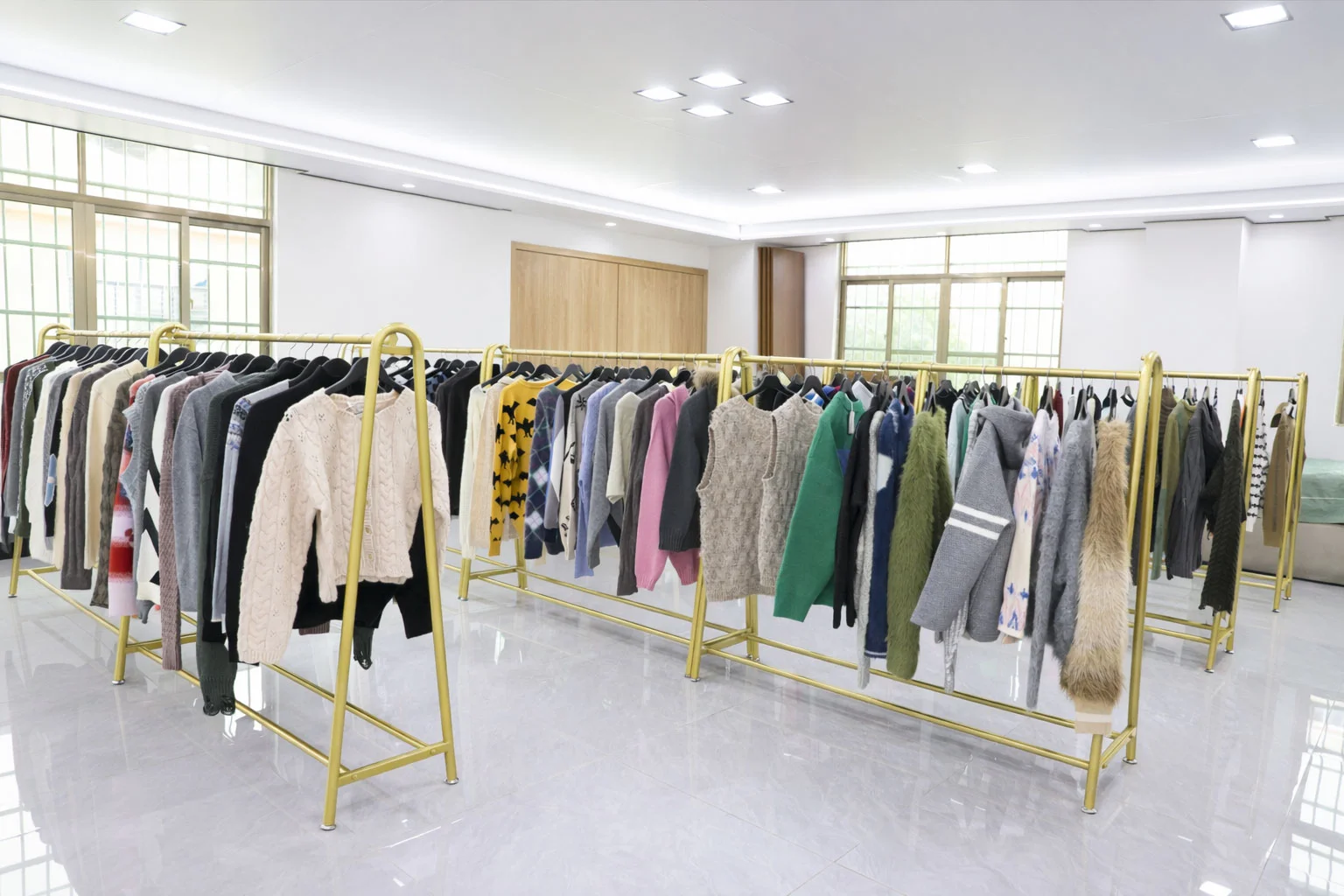
A knitwear manufacturer for e-commerce brands needs to support a different business model from a traditional wholesale supplier. Online-first brands care about margin, speed of learning, product photos, repeatability and launch timing. They usually do not begin with very large quantities, but they do need products that can photograph well, fit consistently and reorder without starting from zero each season.
That is why many e-commerce brands do better with a factory that understands low MOQ, direct communication and practical product development. A supplier built only for large orders may offer attractive unit pricing, but if the first sample takes too long or revisions become complicated, the online brand loses far more in missed launch timing than it saves on ex-factory cost.
Why e-commerce brands need different factory support
An online brand often launches with a small number of styles and depends on a few good product pages to perform. That means each sweater has to carry more responsibility. The fit needs to be understandable. The handfeel has to match the product description. The colour must photograph consistently. If the first launch works, the next problem is reordering smoothly without measurement drift or yarn mismatch.
This is different from a wholesale brand showing fifty styles at a trade fair. For e-commerce, one strong style can matter more than a broad assortment. That is why we usually advise online buyers to start with cleaner products and more controlled decisions. Our article on custom sweater manufacturing for startup brands explains the same principle.
The best product strategy for an online-first knitwear brand
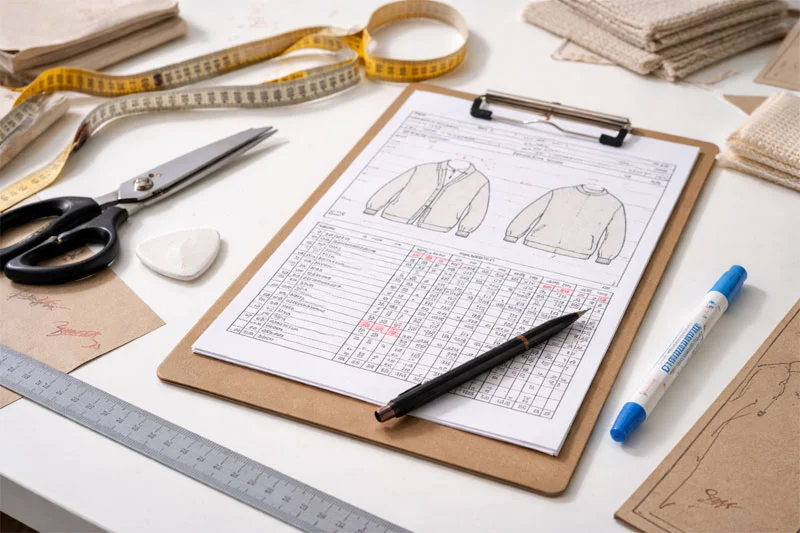
Most e-commerce brands should not launch with too many complex knitwear shapes. The stronger starting point is usually one to three repeatable styles: a clean crew neck, a practical cardigan, or a reliable women's V-neck. These are easier to fit, easier to photograph and easier to restock. They also create clearer data. You learn faster which silhouette, price point and fibre direction your customer actually wants.
Factories matter here because they influence what is realistic. A good knitwear manufacturer will tell you when a design is too complicated for the first order, when a yarn choice will hurt your margin, or when a low-MOQ launch should be simplified into fewer colours. That kind of pushback is production logic.
MOQ, margin and reorders must work together
Many online buyers focus on MOQ first, but MOQ only matters if the numbers still leave room for marketing, fulfilment and returns. A 300-piece order is useful because it reduces inventory risk, but a brand still needs enough margin to support ads and customer service. That is why MOQ, ex-factory cost and reorder logic should be discussed together, not separately.
| Question | Why it matters for e-commerce | Factory-side implication |
|---|---|---|
| Can I start from 300 pcs? | Reduces launch risk and dead stock | Higher unit cost, so style choice must stay commercial |
| Can I repeat the same fit later? | Important for customer trust and reviews | Needs consistent specs and yarn planning |
| Can I scale a winner quickly? | Strong products should not lose momentum | Factory must manage yarn booking and timeline clearly |
This is why e-commerce brands should read both our small MOQ guide and our quote guide. They explain not only what the first order costs, but why certain cost structures are healthier for a repeat business model.
Sampling for online brands is about clarity, not perfection
The first sample for an e-commerce brand needs to answer practical questions: does the garment fit as described, does the fabric feel right for the target customer, and is the product visually strong enough for online photography? Those answers matter more than chasing tiny detail changes too early.
A good factory should explain what can be corrected in the next sample and what will affect cost or lead time. Weak sampling communication is especially dangerous for online brands because launch calendars are tight. Missing a product window by two weeks can hurt far more than a small increase in unit cost. This is where direct factories usually outperform layered intermediaries, which is why our article on trading companies versus real knitwear factories is directly relevant here.
What online buyers should send before asking for a quote
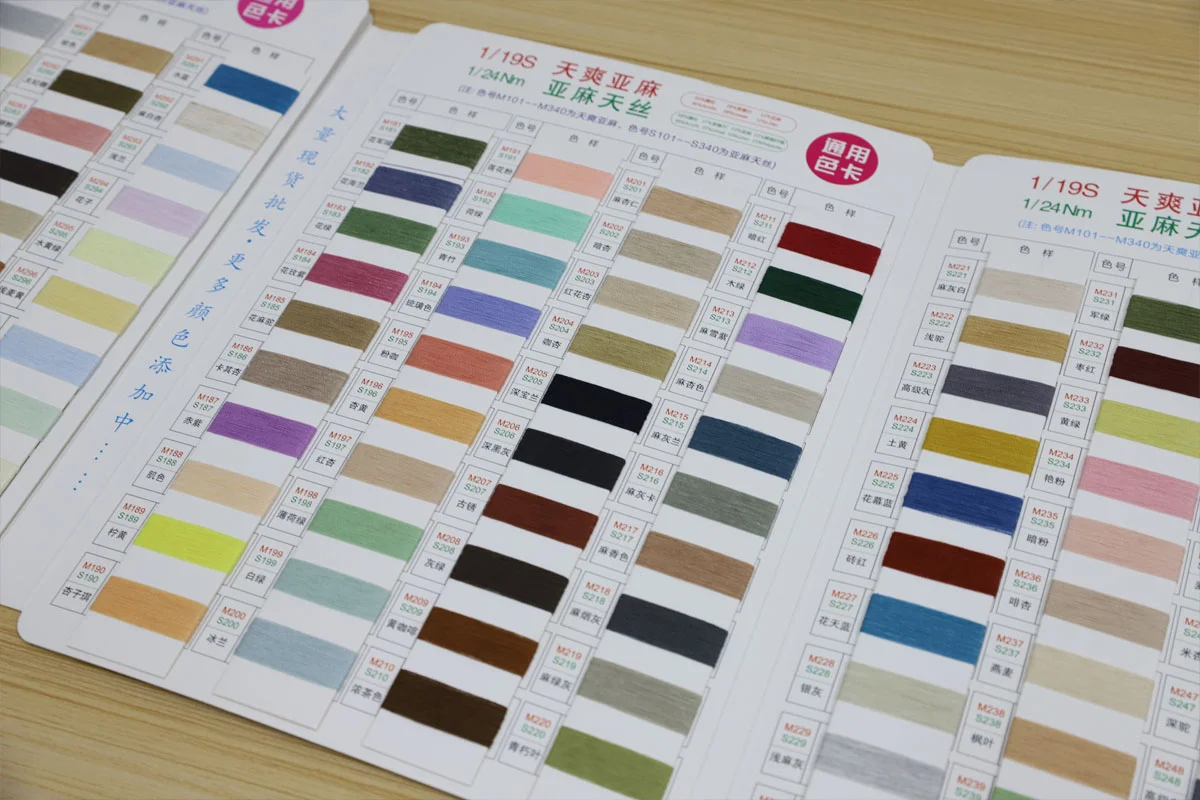
Before contacting a knitwear manufacturer, an e-commerce brand should prepare a simple but serious brief. That usually means reference photos, target quantity, target retail price, preferred yarn direction, intended launch season and any key measurements you already know. If the brand does not yet have a full tech pack, that is still manageable, but the product idea must be commercially clear.
Brands that send only a screenshot and ask for the lowest price usually get weak quotations. Brands that explain who the product is for, what price band it must fit, and whether it is meant to become a repeat style get more useful feedback. If you are not sure what to include, our knitwear tech pack guide is a good next read.
How we work with e-commerce brands at Lin Sweater
At Lin Sweater Factory, online-first projects usually work best when the buyer wants a direct and realistic factory conversation. We are comfortable with low MOQ, but we also try to keep the first order commercially sensible. That often means narrowing the style count, controlling colour choices and making sure the sample reflects the target price range, not only the inspiration image.
Because we are in Dalang, Dongguan, the knitwear supply chain around us helps with faster yarn access, clearer technical discussion and more efficient sample adjustments. For an online brand, that matters because each launch depends on timing and product consistency more than on catalog size.
Planning a knitwear launch for your online store?
Send us your reference style, target quantity and price direction. We can help you judge whether the product is practical for a low-MOQ e-commerce launch before sampling begins.