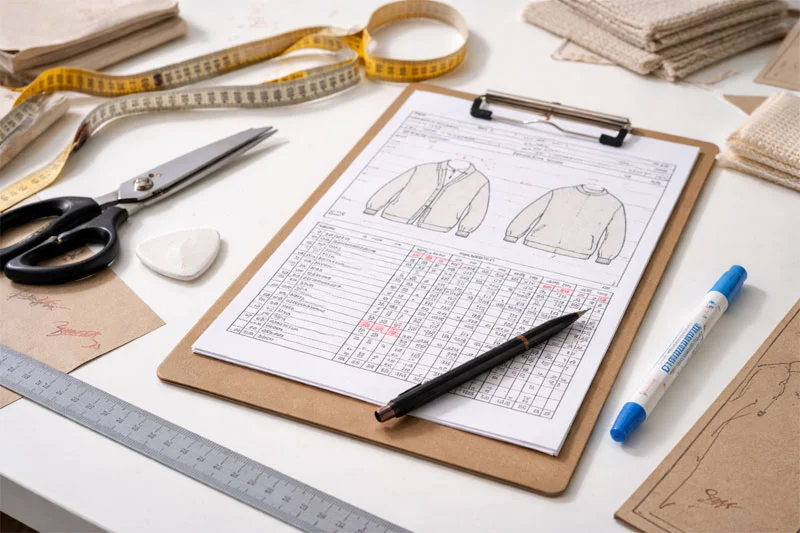
Many knitwear sampling delays do not happen because the factory is slow. They happen because the first brief is too vague. A buyer sends two reference photos, asks for a price, and hopes the sample will explain the rest. In real knitwear development, that usually creates uncertainty around gauge, yarn, measurements, colour and construction. The result is a weaker first sample and more revision rounds.
From a factory perspective, sampling works best when the buyer sends enough information to make real technical decisions early. That does not mean every buyer needs a perfect tech pack. It means the factory needs a usable starting brief. If you want faster development and a more accurate quotation, here is what buyers should send before knitwear sampling starts.
Why the first brief matters so much
A sweater sample is not only a visual mockup. It is the result of decisions about stitch structure, gauge, weight, fibre content, rib balance, neckline shape and measurement proportion. When those decisions are unclear, the factory has to guess. Some factories will guess silently just to move the enquiry forward. That may feel fast at the beginning, but it usually slows the project later.
This is why we often tell buyers that a clearer first email is worth more than an urgent follow-up message two days later. If the factory knows what you are trying to build, it can tell you what is realistic, what needs simplification and what will change the cost. That is also the reason our knitwear tech pack guide and sampling delays article are two of the most useful reads before development starts.
The six things every buyer should send before sampling
The best starting brief does not need to be complicated, but it does need to cover the basics.
- Reference images: front view, back view and close-up details if possible.
- Garment type: crew neck, cardigan, turtleneck, cropped style, oversized fit, kids style or other clear direction.
- Target quantity: even an estimated quantity helps the factory judge MOQ and costing logic.
- Size direction: target size range, fit idea or one reference measurement set.
- Yarn preference: cotton, acrylic, wool blend, merino, cashmere blend or price-driven suggestion request.
- Colour and timing: your colour idea, launch season and when you hope to receive the sample.
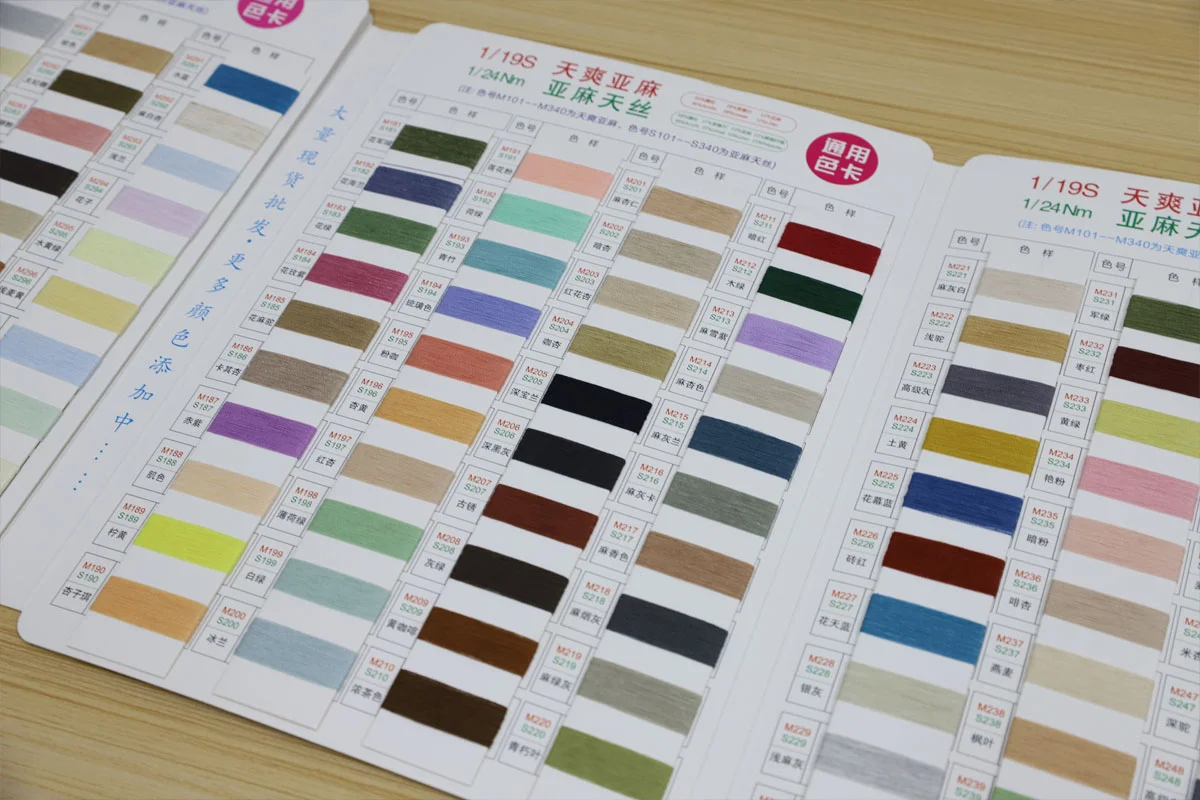
When buyers provide these six items, the factory can usually move from interest to technical judgment much faster. Even if some details are still open, the project becomes easier to quote and easier to sample correctly.
What if the buyer does not have a tech pack yet?
That is common, especially for newer brands, e-commerce sellers and buyers developing their first knitwear program. In that case, the minimum usable package is: one or two clear reference images, a note about how the fit should feel, the target quantity, preferred material direction and the intended retail level. That is enough for a factory to start the conversation properly.
What does not work well is sending only an inspiration photo with no quantity, no season, no target price and no explanation of whether the product should feel premium, basic, soft, chunky, fitted or oversized. In knitwear, two garments can look similar in a photo and still require very different yarn and machine decisions.
How a factory reads your sampling brief
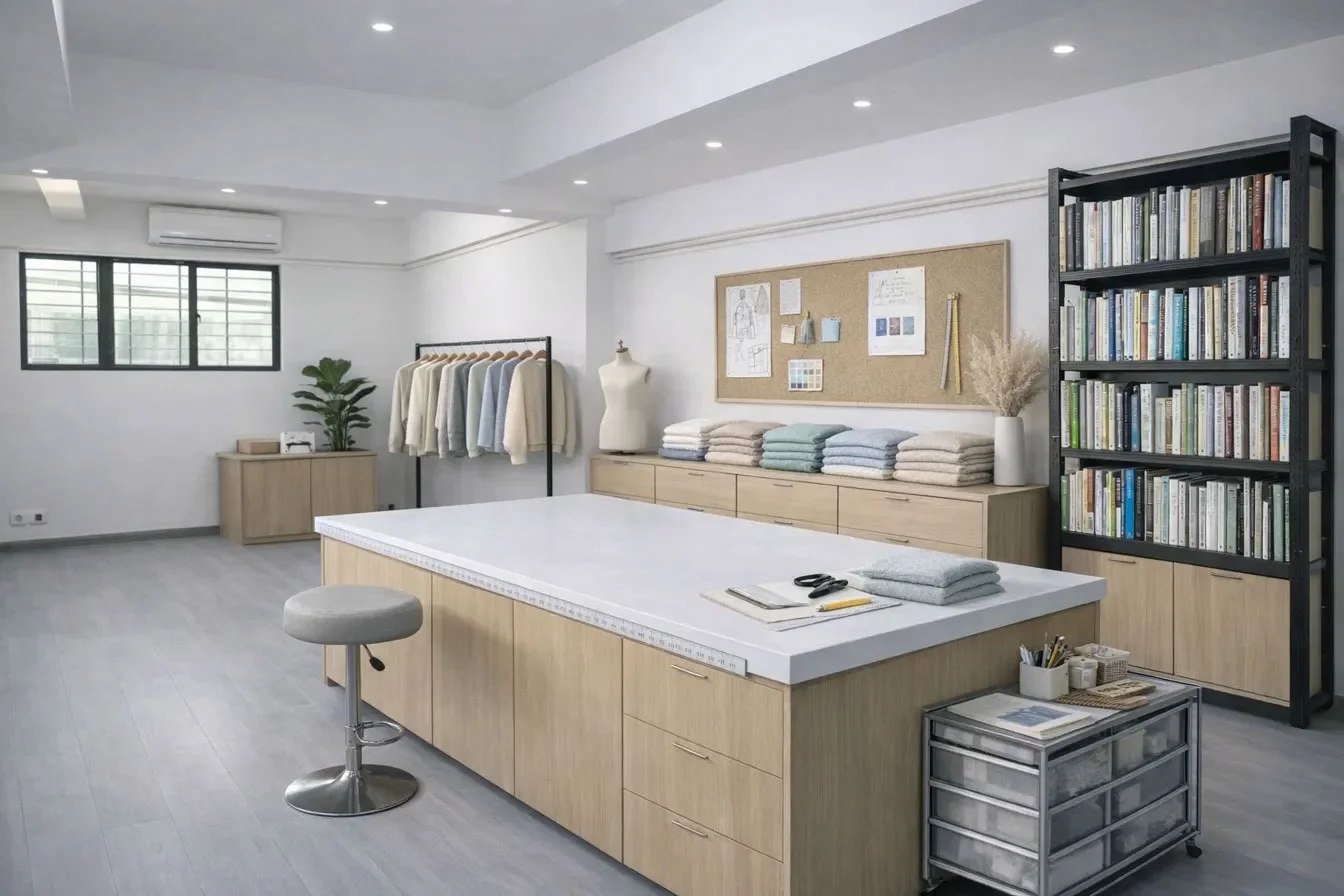
When our pattern team receives a new sampling request, we do not only ask whether the style looks attractive. We ask whether the fit is clear, whether the yarn direction suits the style, whether the pattern can be knitted at the right gauge, and whether the buyer's quantity supports the requested development path. That is why clearer briefs produce better technical replies.
From the buyer's side, this is useful because a good factory reply should improve the project, not just accept it. If you want to understand that process more clearly, our How We Work page shows how we move from enquiry to sample and then to bulk.
The most common mistakes buyers make before sampling
The most common mistake is asking for an exact quote too early. The second is using vague words like "soft", "heavy", "premium" or "like Zara" without explaining the intended fibre, price band or fit. The third is changing several core decisions after the sample has already started. In knitwear, a neckline change may affect the body balance. A yarn change may affect the gauge. A colour change may affect sourcing time.
That does not mean buyers need to know everything in advance. It means the first brief should be organized enough that the factory can tell what is fixed, what is flexible and what still needs discussion. Buyers who do that usually get more useful quotations too, which is why our sweater quote guide fits naturally with this topic.
What we prefer buyers to send at Lin Sweater
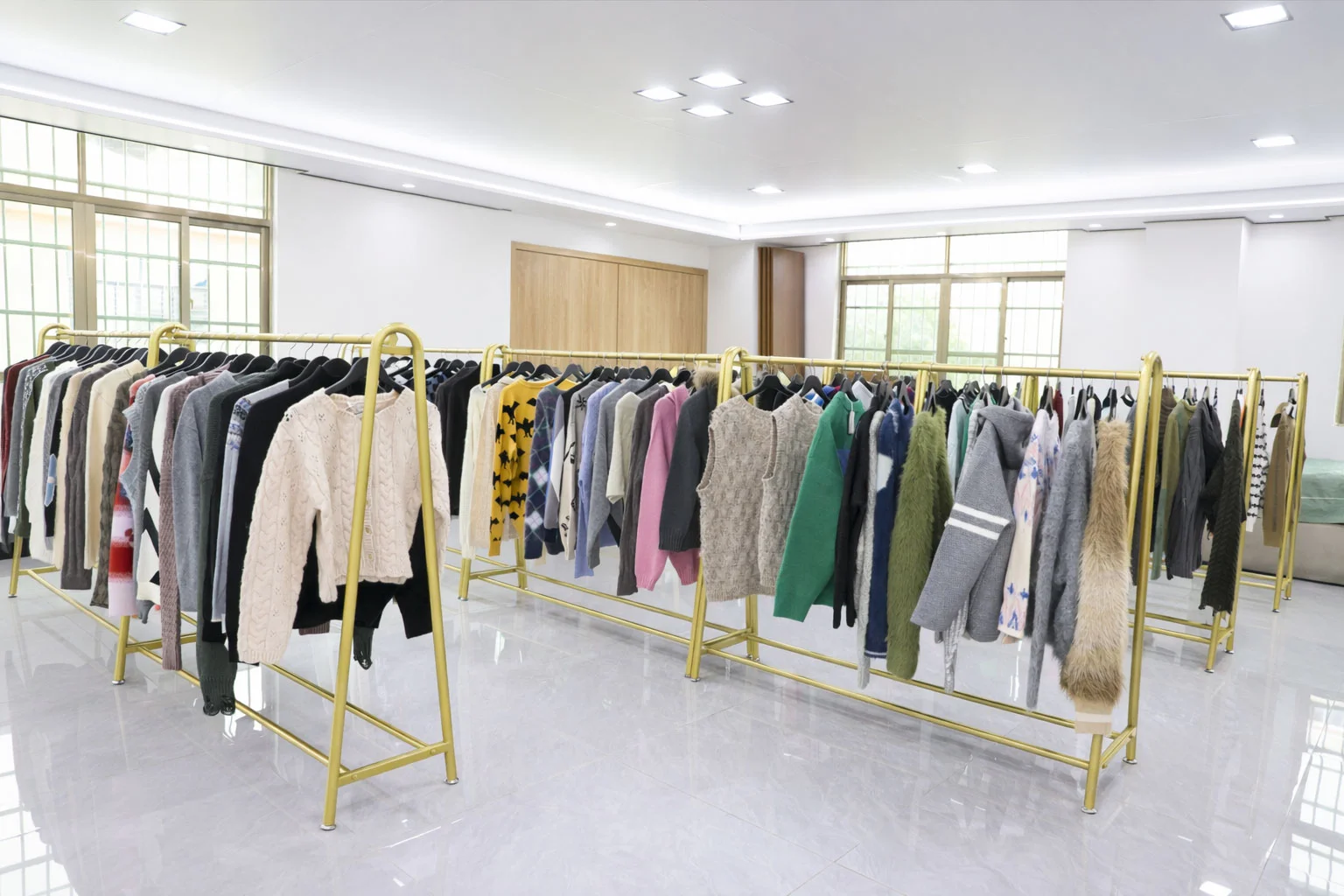
At Lin Sweater, the best first enquiry is usually one message that includes the reference image, target quantity, delivery goal, yarn preference if known, and any fit notes that matter. If the buyer already has a measurement chart or tech pack, even better. If not, we can still review the project from a factory point of view and explain what needs to be decided before sampling starts.
For most buyers, a better first brief means a better first sample. It reduces back-and-forth, makes costing more realistic and helps both sides decide sooner whether the project should move forward.
Preparing a knitwear sample request?
Send us your reference style, target quantity, colour idea and timing. We can tell you what is still missing before sampling starts and help you avoid unnecessary delays.