
Many brands choose yarn too late. They design the sweater first, fall in love with the silhouette, and only then ask what fiber should be used. In actual knitwear development, yarn is not a finishing detail. It is one of the main commercial decisions. Cotton, merino and cashmere can all make beautiful knitwear, but they serve different customers, different retail ranges and different expectations in production.
This guide is written from a factory point of view. It is not about which fiber is "best" in theory. It is about which fiber makes sense for your brand, your market and your stage of development.
When cotton is the right choice
Cotton is one of the most commercially useful knitwear fibers. It works well for spring, trans-seasonal layering and markets where the customer wants softness without heavy warmth.
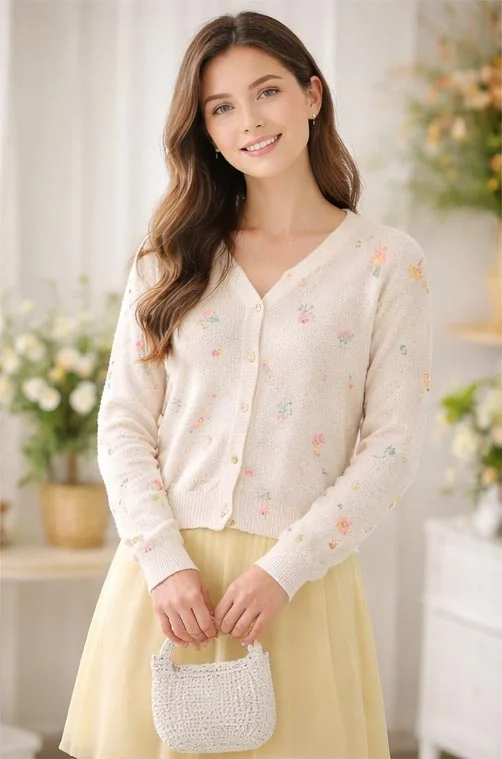
From a factory side, cotton also has advantages for early-stage development. It is familiar, commercially practical and easier to position in everyday categories such as light sweaters, polos, cardigans and half-sleeve knits.
When merino is worth the extra cost
Merino sits in a strong middle position for many brands. It is more premium than standard cotton or acrylic blends, but still much more commercially flexible than cashmere. When a brand wants softness, better thermal performance and a more elevated retail story, merino often becomes the right answer.
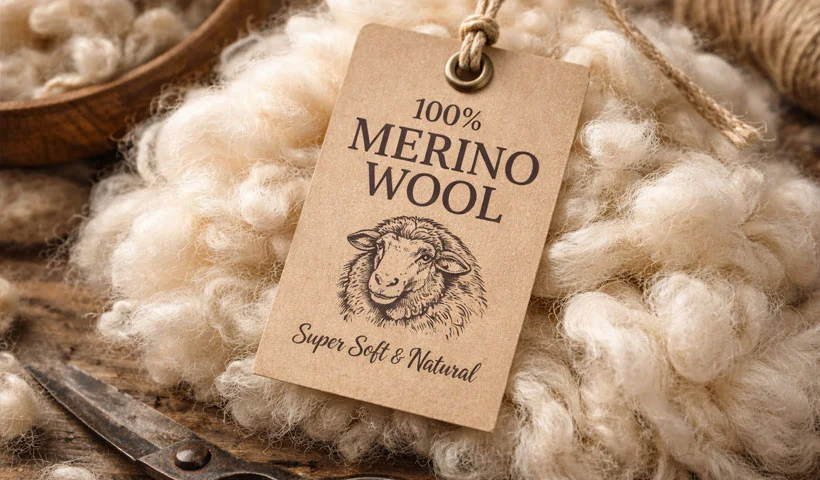
From the factory side, merino also asks for more discipline. Gauge choice, yarn count, finishing and care labeling need to be clearer. If the brand wants a fine-gauge knitwear line with more polished texture and stronger premium perception, merino usually makes sense.
When cashmere is right and when it is not
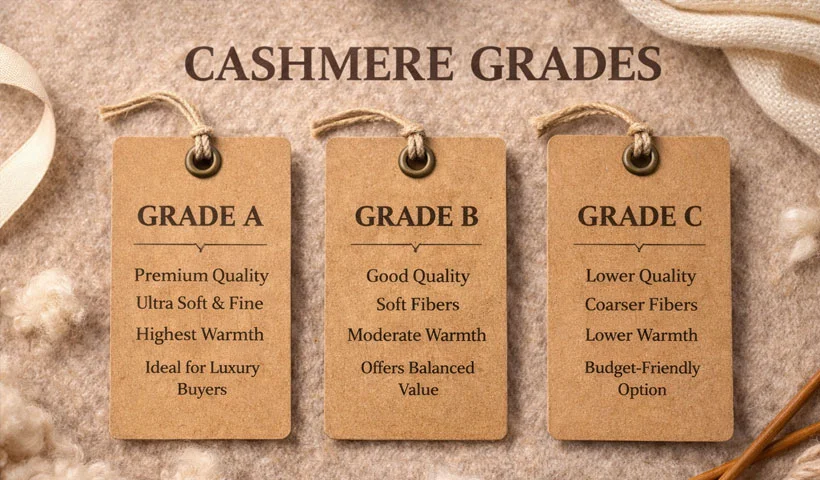
Cashmere is one of the most desired words in knitwear, but it is also one of the most misused. From a factory perspective, cashmere is not only a higher-cost yarn. It is also a higher-expectation category. Buyers expect softness, fit precision, clean finishing and a stronger luxury feeling throughout the garment and packaging.
Commercial comparison: how each fiber affects the brand
| Fiber | Best use | Brand effect | Factory-side reality |
|---|---|---|---|
| Cotton | Spring, layering, easier entry pricing | Clean, practical, wearable | Commercially flexible and often easier for first launches |
| Merino | Premium core knitwear | Refined, polished, elevated | Needs stronger gauge and finishing discipline |
| Cashmere | Focused premium programs | Luxury, softness, exclusivity | Higher material cost and much higher expectation on execution |
How the fiber choice changes sampling
Brands often think of yarn choice as a costing question only. In reality, it also changes the sample path. Cotton, merino and cashmere behave differently in knitting and finishing. That means the first sample may require different gauge trials, more attention to handfeel and more exact care labeling.
Which fiber fits which type of brand?
A useful way to decide is to connect fiber to brand type: startups with moderate price points often begin better with cotton or practical blends, developing premium brands often move naturally into merino, and focused luxury capsules can justify cashmere if the rest of the brand supports it.
How we advise buyers at Lin Sweater Factory
At Lin Sweater Factory, we try not to push buyers toward a more expensive yarn only because it sounds better. We ask about season, target retail, collection role, quantity and the kind of customer the brand wants to reach. Those answers usually tell us whether cotton, merino or cashmere makes more sense.
Choosing yarn for your next knitwear line?
Send us your target retail range, season and product idea. We can recommend whether cotton, merino or cashmere makes the most sense before you sample.