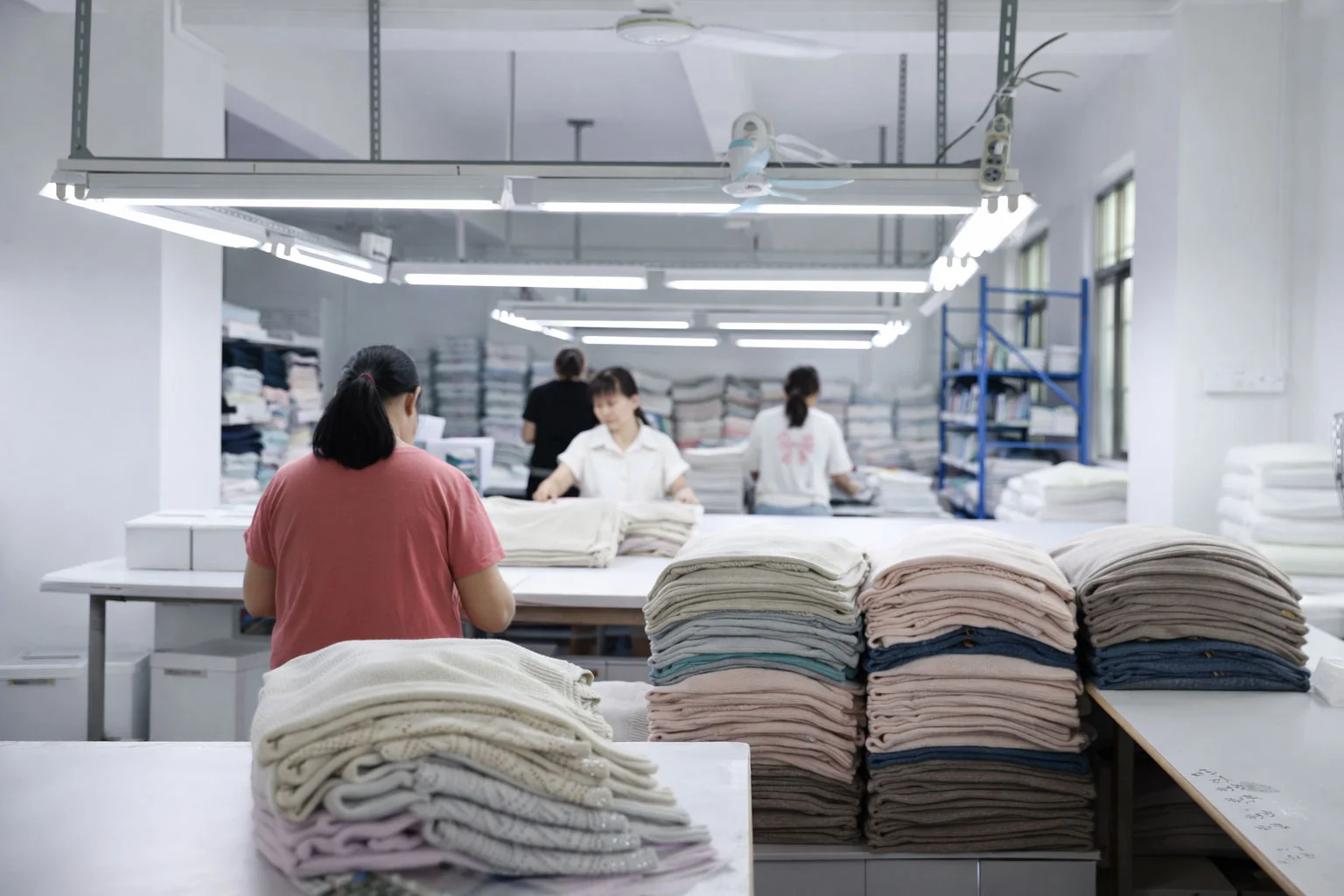
Many buyers treat the PP sample as a formality because the first sample already looked close enough. In real knitwear production, that is risky. A PP sample is not just another sample. It is the version that should confirm what the bulk order is actually going to become. If the buyer approves too quickly, the same small problem can multiply across the entire order.
From a factory perspective, the PP sample stage is where both sides should slow down and confirm details properly. This is the moment to check measurements, yarn handfeel, color consistency, neckline shape, labels, finishing and overall balance. Once bulk starts, changes become slower, more expensive and sometimes impossible without delaying delivery.
What is a PP sample in knitwear?
PP sample means pre-production sample. In knitwear, this sample should reflect the approved direction for bulk as closely as possible. It is usually produced after the first development sample and after major fit or construction corrections have already been made. The PP sample is not supposed to answer basic design questions. It is supposed to confirm execution.
This is why the PP stage matters more than many first-time buyers realize. The first sample tells you whether the style can be developed. The PP sample tells you whether the factory and buyer are ready to produce it consistently.
1. Check measurements and fit first
The first thing a buyer should confirm is whether the PP sample matches the approved measurement direction. In knitwear, even small differences in body length, sleeve length, shoulder width or rib depth can change how the garment feels when worn. The right question is not only "does this look okay?" but "does this still match the fit we approved?"
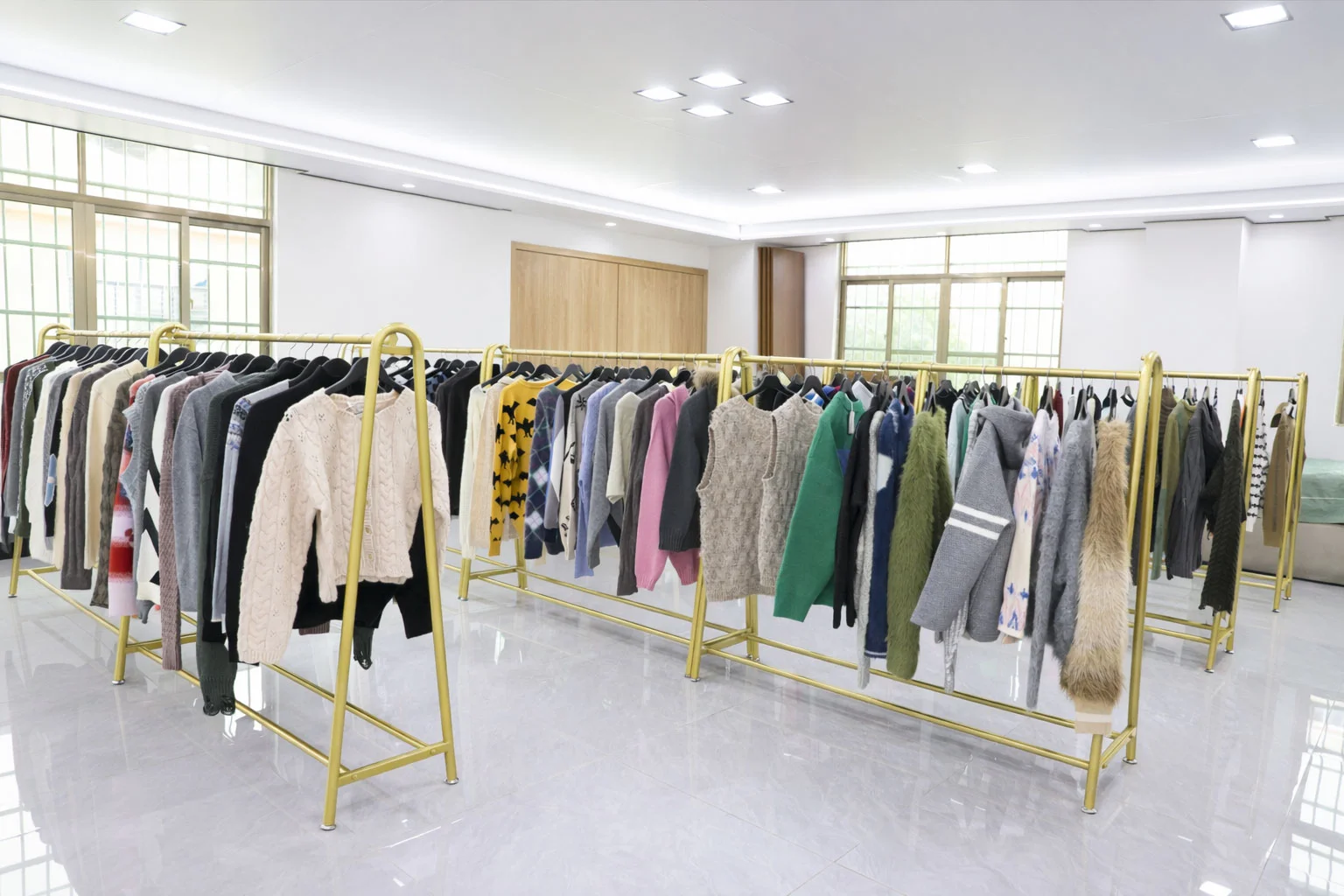
If the style is a new fit block, buyers should be especially careful here. A small change that feels acceptable on one sample can become a bigger problem when repeated in bulk across many sizes.
2. Check yarn, color and handfeel together
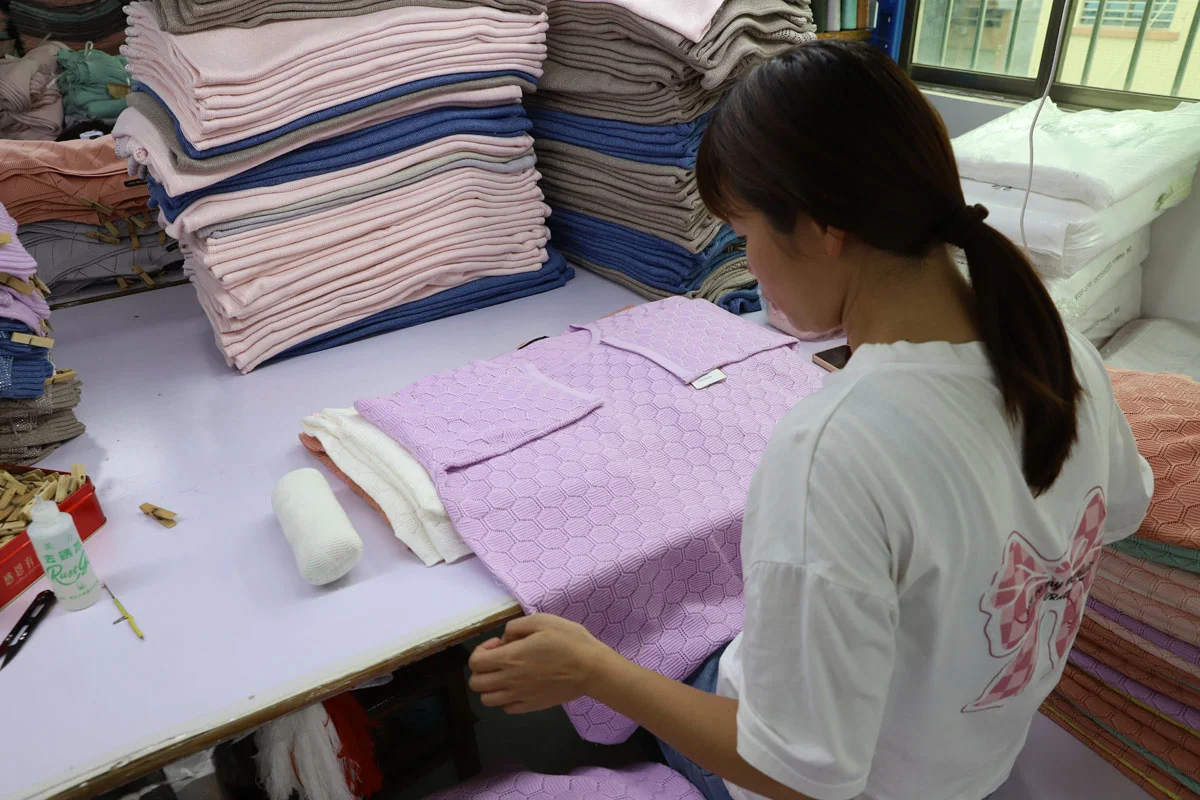
Buyers often look at color first, but color should be judged together with yarn and handfeel. In knitwear, a slightly different yarn count, blend or dye lot can change the way the garment looks and feels. That matters even more if the product is meant to sit in a premium retail position. If the PP sample is visually acceptable but feels different from what was intended, that is not a small detail.
3. Check labels, trims and presentation details
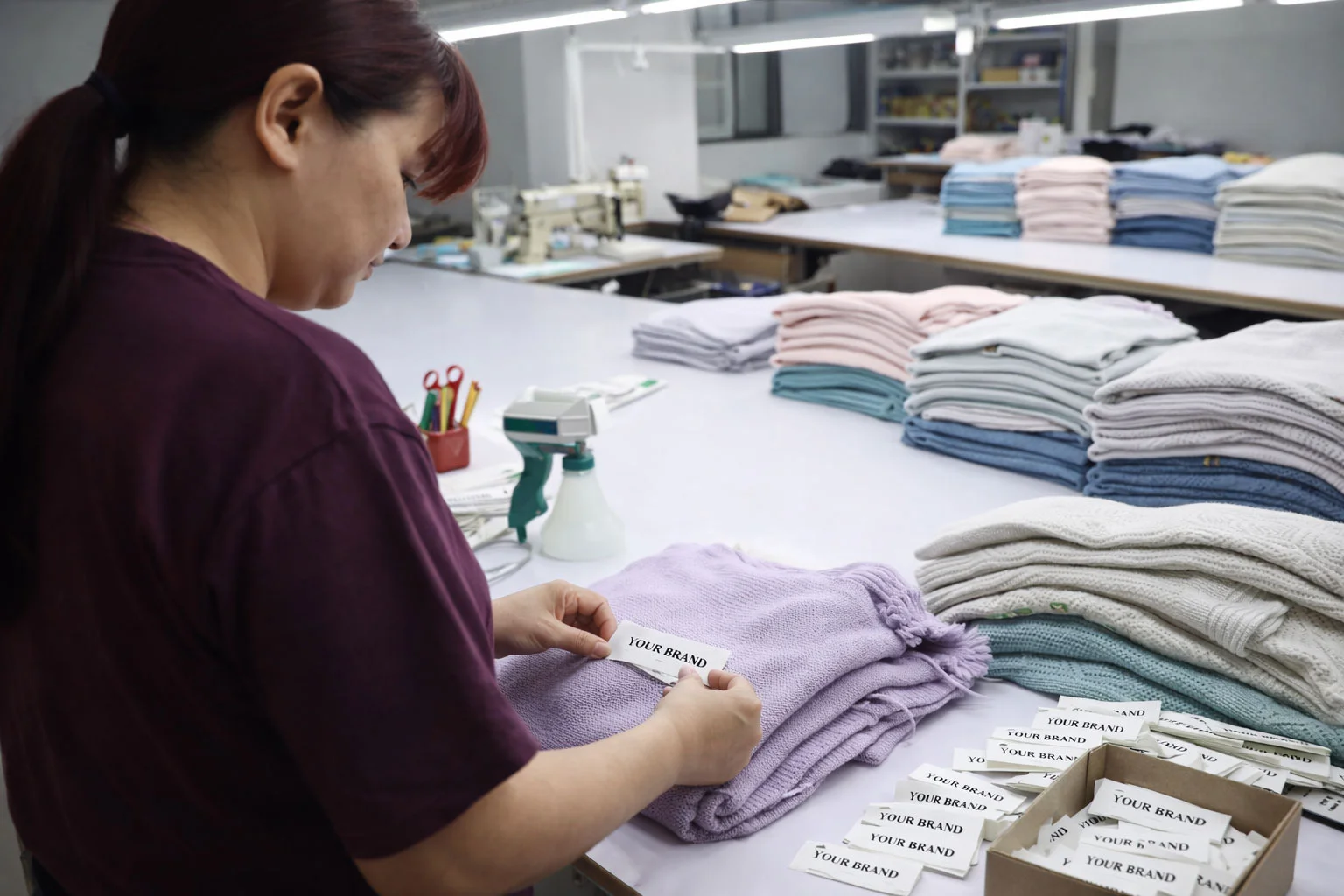
Before bulk starts, buyers should confirm that neck label, care label, size label, buttons and other trims match the approved specification. These details often look secondary during early development, but they become expensive once the order has moved into full production. A wrong neck label position or wrong button choice is much easier to correct at PP sample stage than after labels and trims have already been applied in volume.
4. Check finishing and bulk readiness
A PP sample should also show whether the garment is being finished the right way. Buyers should check steaming quality, panel balance, placket behavior if the style is a cardigan, and whether the garment still looks correct after handling. If the product includes more demanding finishing steps, this is also the stage to confirm that the factory understands the standard expected in bulk.
For buyers who have already reviewed the quote and sample process, the PP sample should be the final confirmation point before bulk. That is why it connects naturally with our guides on reading a sweater factory quote and how we work.
What we suggest buyers do before approval
At Lin Sweater, we usually suggest that buyers review the PP sample against one simple checklist: measurements, fit, yarn, color, labels, finishing and any style-specific risk point. If all of those are confirmed clearly, bulk production can move much more smoothly. If any of them is still uncertain, it is better to pause at PP stage than to approve too early and create a bigger problem later.
A stronger PP approval process usually means fewer surprises in bulk, fewer disputes after shipment and a better chance of repeat business on the same fit block or product line.
Need a second opinion before bulk production starts?
Send us your sample photos, target measurements and key concerns. We can help you review what should be confirmed before your knitwear order moves into bulk.