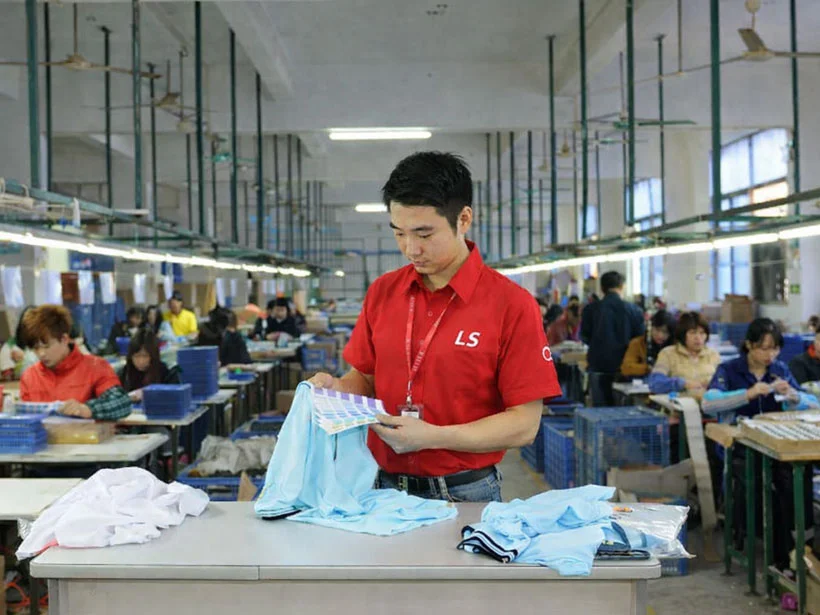
Many buyers only discover real knitwear quality problems after bulk production is already underway. At that point, even a small issue becomes expensive. Measurements may be slightly off, the handfeel may not match the target market, or the surface may behave differently after washing. The safest time to test quality is before bulk starts, when the style is still flexible enough to improve.
From a factory perspective, testing knitwear quality before bulk does not mean running a laboratory for every order. It means checking the right things in the right order. Buyers who test samples with a clear checklist usually make better approvals, reduce surprises in production and lower the chance of claims after shipment.
1. Start with the product goal, not only the sample photo
Before testing the sample, buyers should ask one simple question: what is this sweater supposed to be in the market? A premium merino pullover, an entry-price acrylic cardigan and a soft brushed fashion style should not be judged by the exact same standard. The quality target has to match the price level, material direction and retail promise.
This matters because buyers sometimes approve a sample visually, then complain later when the product behaves like the material they chose. If the style is meant to feel extremely soft at a lower price, some surface trade-offs may be realistic. If the product is positioned as premium, the testing standard should be stricter from the beginning. That is why our article on what causes knitwear pilling fits naturally into this conversation.
2. Check measurements and fit first
The most basic quality test is still one of the most important. Buyers should measure body width, body length, sleeve length, shoulder width, rib depth and neckline shape against the approved specification. In knitwear, small measurement differences can change the commercial feel of the product much more than buyers expect.
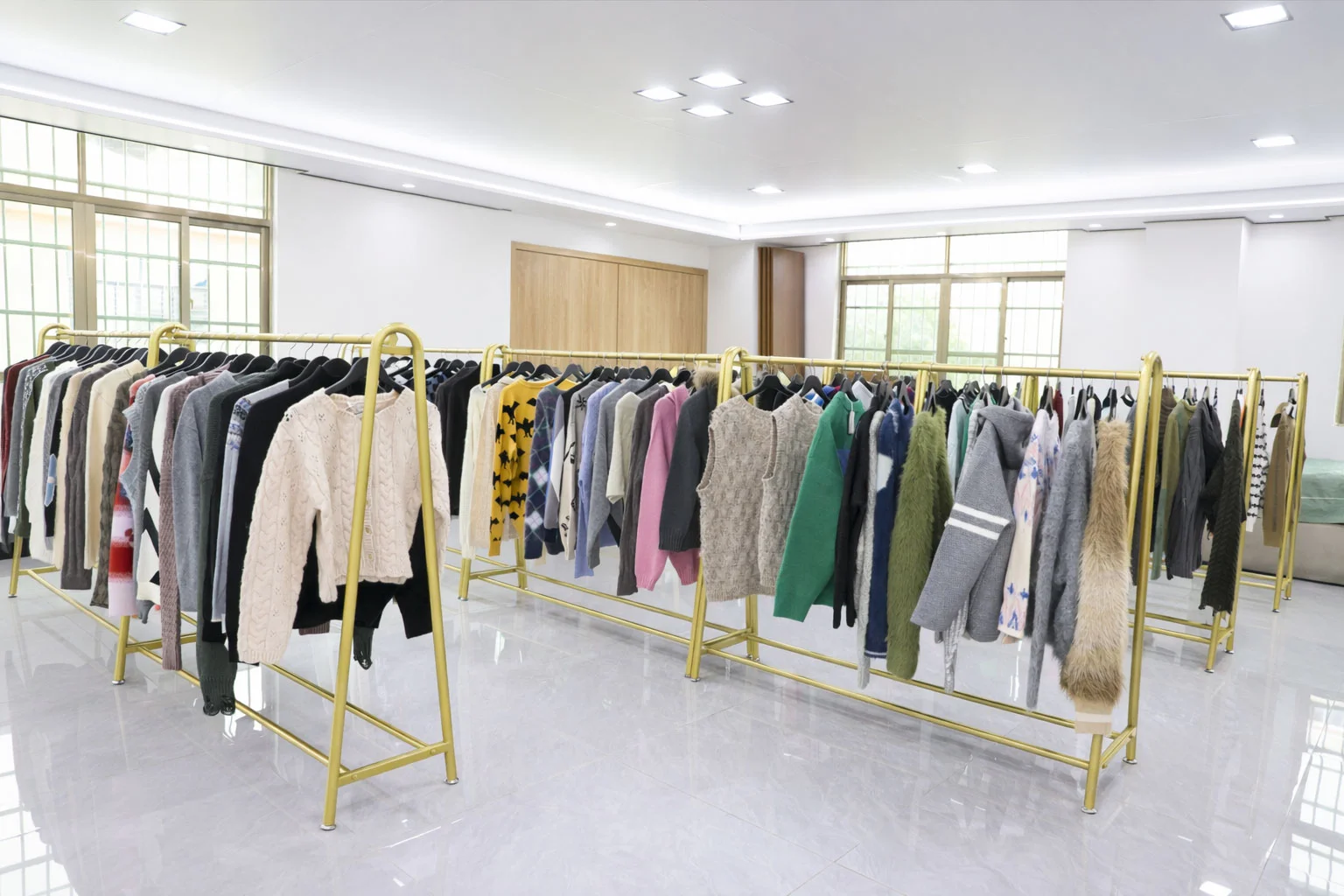
Testing fit early also prevents confusion later. If a buyer changes yarn feel, color and measurements at the same time, it becomes harder to see which revision actually improved the style. Our guide on reducing knitwear sampling revisions explains why controlled revision order matters.
3. Check yarn, gauge and handfeel together
A sweater should not be tested by touch alone. Handfeel has to be reviewed together with yarn composition and gauge. A soft yarn may feel attractive in a showroom but still be wrong for the use case if the structure is too loose or the surface is too unstable. Buyers should ask whether the gauge suits the yarn, whether the yarn suits the retail position and whether the final feel still fits the intended customer.
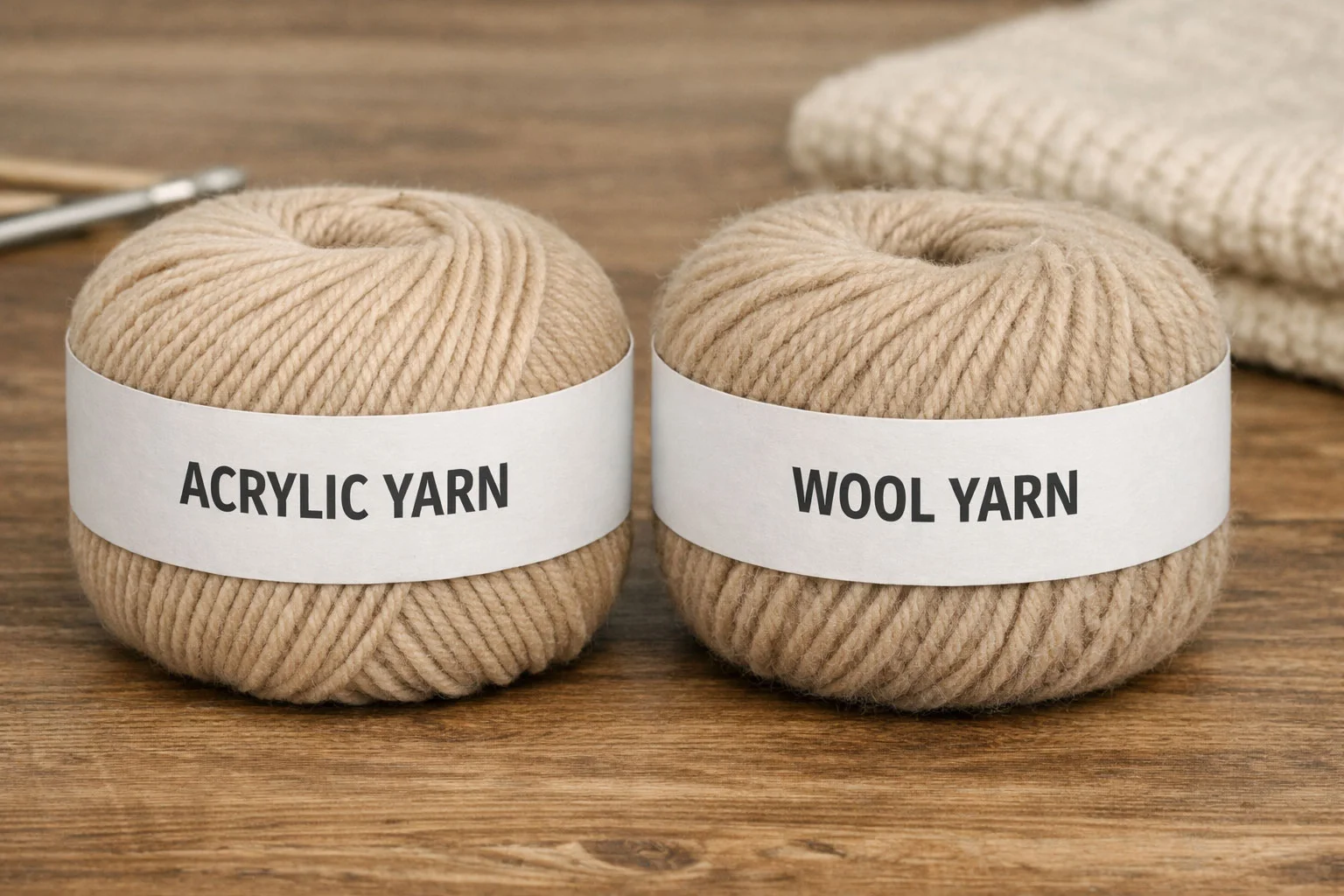
This is especially important when a buyer wants to balance softness and cost. Material changes made too late can create a better-feeling sample but also create new problems in pilling, pricing or lead time.
4. Do basic wash and wear tests before approval
Not every order needs a complex formal testing program, but buyers should still do simple wear-related checks before bulk. A basic wash check can reveal shrinkage, twisting, handfeel change or surface instability. A simple rubbing or wear simulation can also help identify whether the sample is likely to show pilling or surface fuzz too quickly in real use.
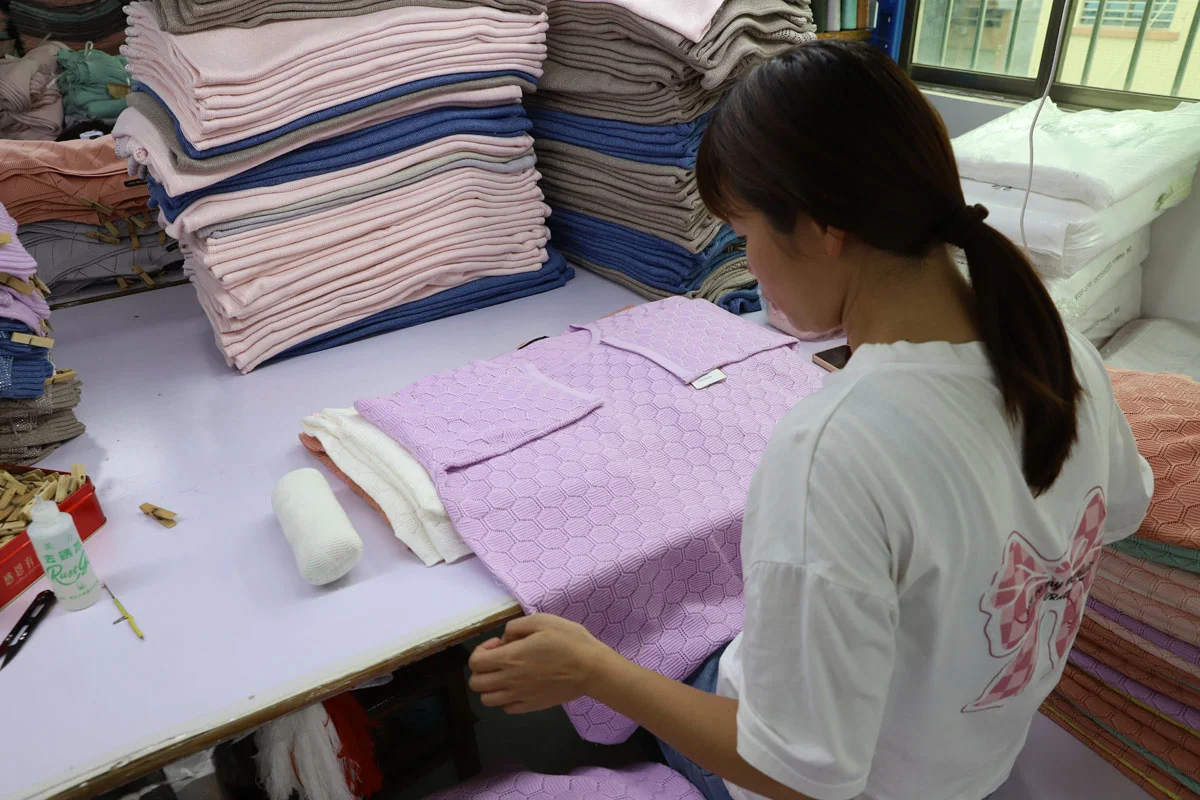
For commercial buyers, the real question is whether the garment still meets the product promise after basic use. If the answer is uncertain, it is safer to pause and adjust at sample stage than to approve early and argue later.
5. Check trims, labels and finishing details
Quality is not only about yarn and fit. A sweater can have the right body measurements and still fail commercially because the neck label is wrong, the button quality feels weak, or the finishing looks inconsistent. Before bulk starts, buyers should confirm trims, label position, sewing quality, steaming and overall presentation standard.
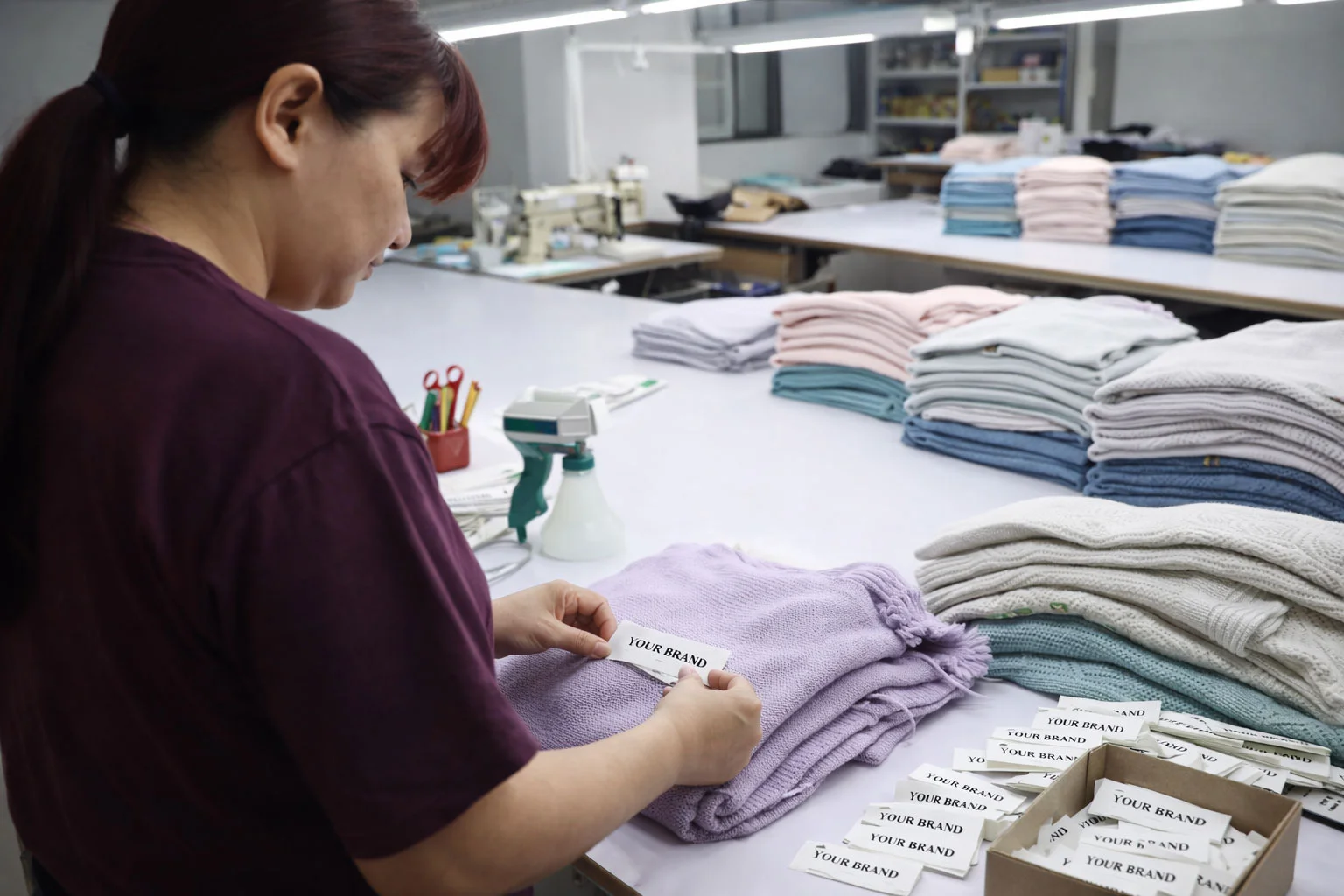
This is one reason the PP sample stage matters so much. Buyers who want a stronger approval process should also read our guide on approving a PP sample for knitwear.
What we suggest at Lin Sweater
At Lin Sweater, we usually suggest that buyers test knitwear quality in a simple sequence: first measurements and fit, then yarn and gauge, then wash and surface behavior, then trims and final presentation. That order keeps the review practical and avoids mixing structural issues with smaller finishing comments.
The strongest approvals usually come from buyers who review the sample against a clear product goal and send one organized comment list back to the factory. That makes bulk production safer for both sides and gives the brand a better chance of matching its product promise in the market.
Need help reviewing a knitwear sample before bulk starts?
Send us your sample photos, measurement points and main quality concerns. We can help you identify what should be tested and confirmed before you approve bulk production.