Pilling is one of the most common knitwear complaints, especially when a buyer is launching a new sweater style and wants softness, low cost and fast turnaround at the same time. Many buyers assume pilling means poor quality control. Sometimes that is true, but not always. In knitwear, pilling is often the result of several decisions working together: yarn composition, fiber length, gauge, surface friction, finishing standard and the way the garment will actually be worn.
That is why pilling should be discussed before bulk production, not only after customer complaints start. From a factory perspective, the better question is not simply "will this sweater pill?" but "what level of pilling risk fits this yarn, this price level and this end use?" Buyers who understand that earlier usually make better material decisions and avoid unrealistic quality expectations.
What pilling really is
Pilling happens when loose fibers work their way out of the yarn surface, then twist together through rubbing and form small balls on the garment. This is common in sweaters because knit structures are naturally softer and more flexible than many woven fabrics. That softness is one reason customers like knitwear, but it also means surface behavior needs to be controlled carefully.
A buyer should also know that pilling is not always a sign of a defective garment. Some soft and brushed yarns can pill more easily even when they are commercially acceptable for their price level. The real quality issue is whether the pilling level is reasonable for the material, market position and product promise.
1. Yarn choice usually matters most
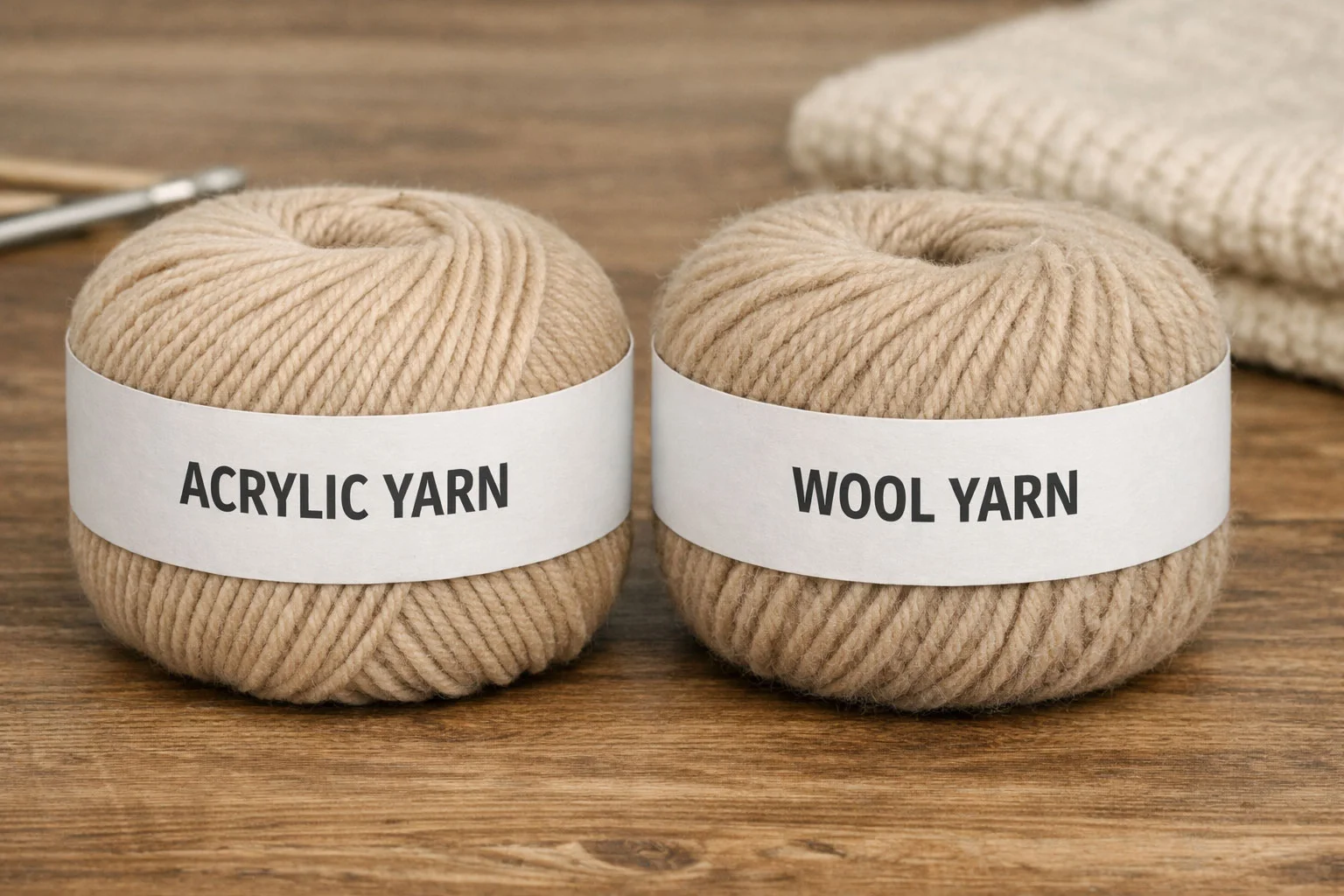
Fiber composition plays a big role in pilling behavior. Some very soft yarns feel attractive in the hand but release more loose fibers during wear. Lower-cost acrylic blends, short-staple fibers and very hairy yarn surfaces can all increase pilling risk. That does not mean they should never be used. It means the buyer should understand the trade-off before confirming the style.
This is why material selection should always be linked to product positioning. If the sweater is meant to hit a lower target cost, some pilling tolerance may be realistic. If the style is positioned as premium, then the yarn choice, finish and testing expectation all need to support that claim. Our material comparison articles such as acrylic vs wool and cotton vs merino vs cashmere help buyers think through those trade-offs earlier.
2. Gauge, structure and friction also affect pilling
Two sweaters made from similar yarns can still behave differently if the gauge and stitch structure are different. A looser structure may let more fiber ends escape. A fuzzy brushed surface may feel richer at first, but it can also create more friction points during wear. Areas such as underarms, side seams and the lower body often show pilling faster because they rub against movement, bags or outer layers.
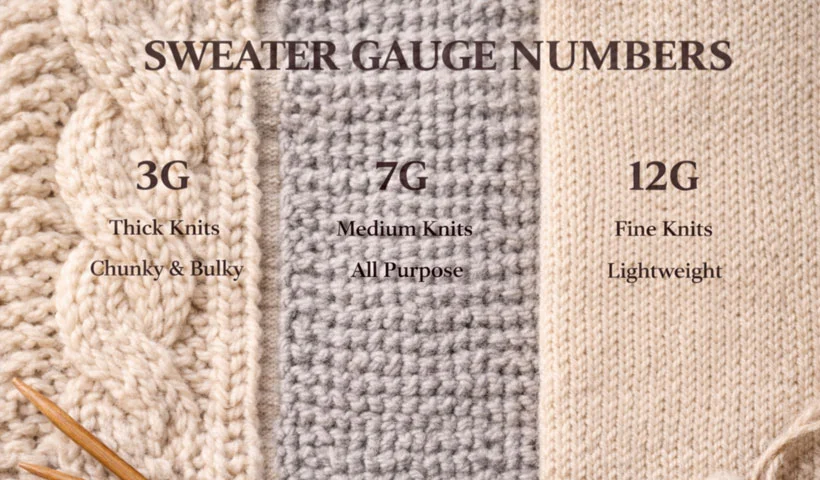
This is one reason buyers should not choose gauge only by visual preference. The gauge has to suit the yarn and the wearing purpose. If the product is designed for everyday commuting and frequent rubbing, a more stable structure may be better than the softest possible handfeel.
3. Finishing and QC help, but they cannot solve everything
Factories can reduce risk through better yarn selection, controlled knitting, careful finishing and internal checks. Anti-pilling finishing treatments may also help in some programs. But finishing is not magic. If the base yarn is highly prone to pilling, finishing alone will not turn it into a premium anti-pilling sweater. That is why clear factory communication matters before the order is locked.
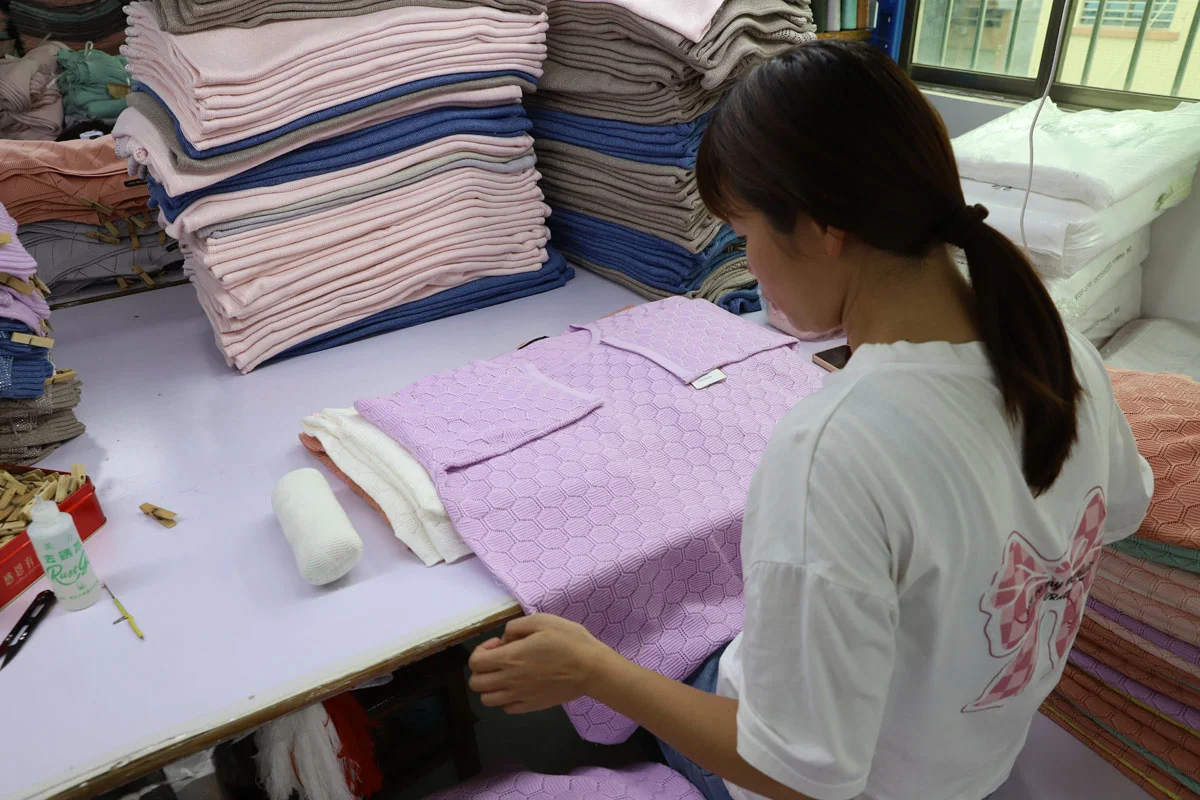
For B2B buyers, this means the pilling conversation should happen during quoting and sampling, not after shipment. If the factory is serious, it should explain where the risk comes from and what level of improvement is realistic. That same mindset is why our guide on reading a sweater factory quote matters. The quote is not only a number. It reflects material and quality choices.
How buyers can reduce pilling risk before bulk
The simplest way to reduce pilling complaints is to make the discussion more specific. Buyers should ask what yarn is being used, whether the surface is brushed, what gauge is planned, what wear scenario the product is meant for and whether anti-pilling performance is a key requirement or only a preference. Those questions help the factory recommend a more suitable development path.
It also helps to review the sample honestly. If the style feels extremely soft and fluffy, buyers should not assume that softness comes with zero pilling risk. In many cases, softer handfeel and lower surface stability sit on the same spectrum. If the retail promise is "soft everyday sweater at an entry price," the quality standard will differ from a premium fine-gauge program.
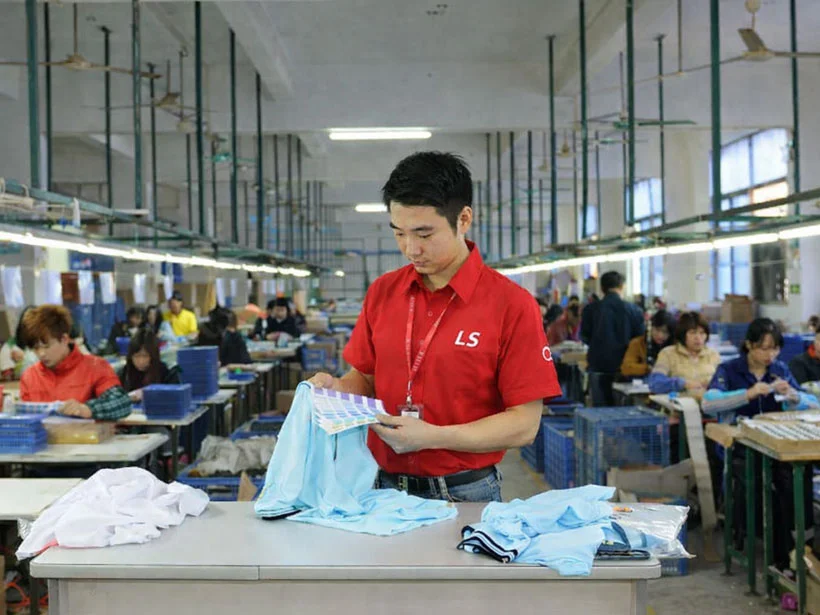
What we suggest at Lin Sweater
At Lin Sweater, we usually suggest that buyers discuss pilling risk at the same time they confirm yarn direction, gauge and target price. That gives both sides a more realistic framework. If the product needs a stronger anti-pilling result, we can review yarn options and explain which trade-offs may follow in cost, feel or appearance. If the product is more price-driven, we can help define a commercial standard that still fits the market.
For buyers, the main goal is not to chase impossible claims. It is to choose the right balance between feel, appearance, durability and cost before bulk starts. That usually leads to fewer complaints, better repeat orders and a more stable relationship between brand promise and real product performance.
Need help choosing a lower-pilling yarn direction?
Send us your reference style, target price and expected handfeel. We can help you compare yarn options and discuss what anti-pilling performance is realistic before sampling or bulk production.